
Silverfish Control in Tempe, AZ
Silverfish control in Tempe, AZ depends on working out whether you have silverfish in a damp room or firebrats in a hot one, because the two want opposite conditions. Kekoa Pest Control looks for the moisture, food and hiding spots first, then treats only where it will help.
- 5.0★ on Google (54 reviews)
- Family owned, owner operated
- Serving since 2022
Silverfish are not a health problem, and most households can tolerate seeing one. They become worth a call when they keep showing up or when stored paper starts to look chewed. Any bug exterminator who walks straight to the sprayer is skipping the step that decides the outcome: finding out why they are comfortable in that particular room.
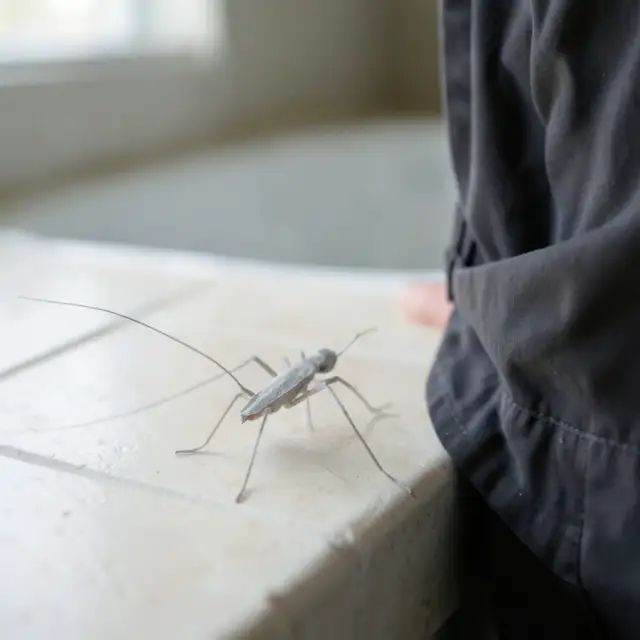
Silverfish or firebrat: which is it?
These two relatives look alike and want different things. Both are slender, wingless and carrot-shaped, about half an inch long, with long antennae and three tail filaments. Both are active at night and quick to run for a crack.
- Silverfish. Silver or pearl gray. Likes damp, warm spots at about 71 to 90°F. At the upper end of that range it needs relative humidity above 75 percent, so a Tempe bathroom works and a Tempe attic does not.
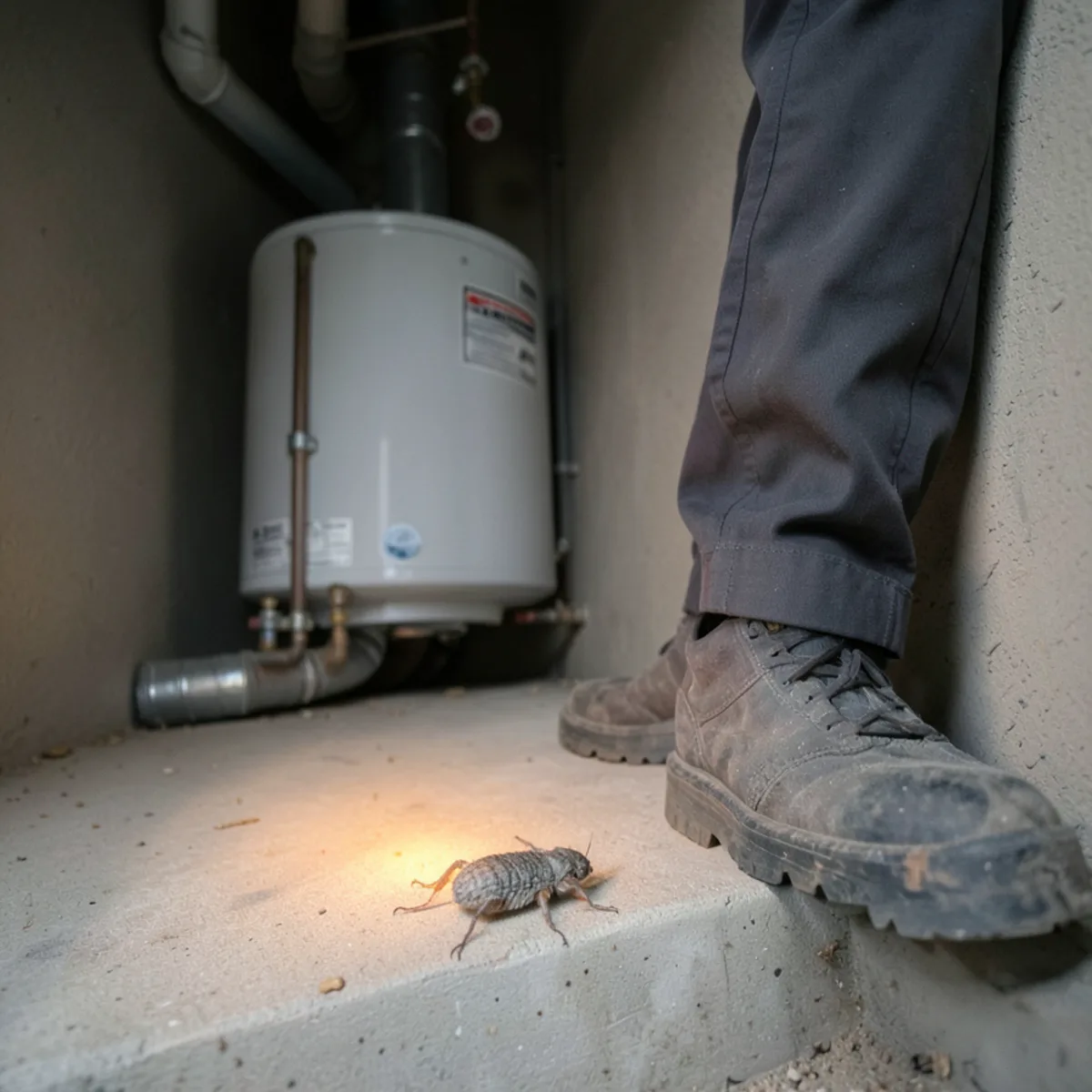
- Firebrat. Mottled gray or brown. Likes it very warm and can get by with humidity as low as 30 percent, doing best around 98 to 102°F. In a Valley home, that points to water heater closets, furnace spaces, attics and walls with hot pipes.
If you catch one, tell Kai what room it was in. That usually narrows it down faster than the color.
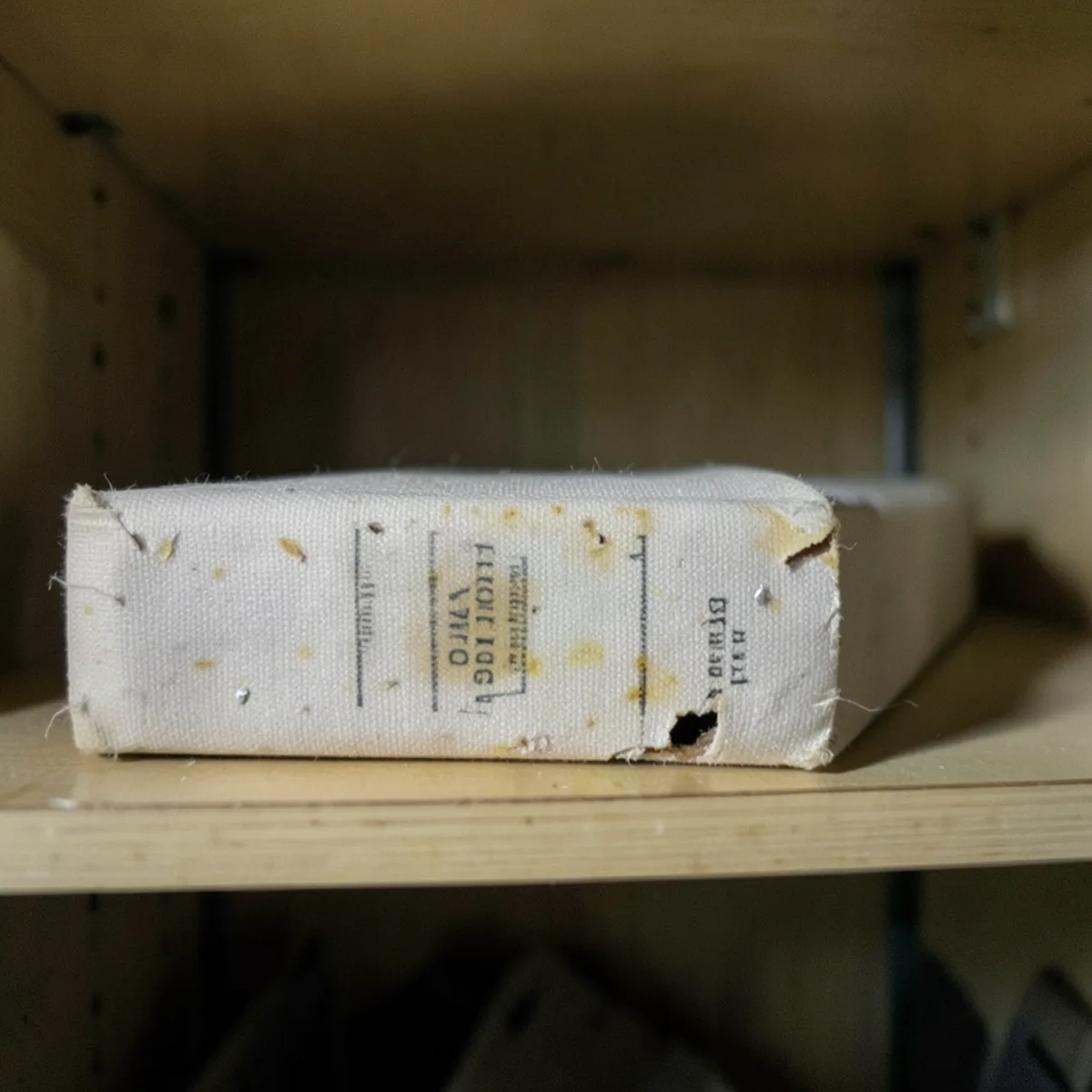
Hatchlings are plump, white and about 1/16 inch long, with no scales until they pass 1/8 inch. The dustlike scales on larger insects stick to most surfaces, so a faint glitter near a damaged book is a useful clue.
Silverfish in the bathroom: why Tempe homes get them
The desert is not the reason. The house is. Shower stalls, tub surrounds, laundry rooms and sink cabinets make small humid climates that have nothing to do with the weather outside. A slow drain leak or a bath fan that does not vent well keeps those pockets going.
A silverfish in the tub did not come up the drain. UC IPM says they fall in, cannot climb the slick sides and cannot climb the drain either.
Food is rarely a limit. They eat flour, cereal, pet food, starch in clothing, paper with glue or sizing, wallpaper paste, book bindings, household dust and dead insects. They can also go for months without eating, so one good cleaning will not starve them out. Cardboard stored in closets and garages gives them shelter and food in one package.
Heat helps them along. UC IPM reports that above 75°F, firebrats can mature in about 40 days and silverfish in about 60, compared with months in cold conditions. Tempe homes stay above that for much of the year.
New homes are not exempt. Both insects can arrive in lumber and wallboard, and fresh concrete adds humidity while wallpaper paste adds food. UC IPM also notes large numbers can move in from surrounding wild areas as those dry out in summer, which fits a lot on the desert edge.
How Kai checks for the source
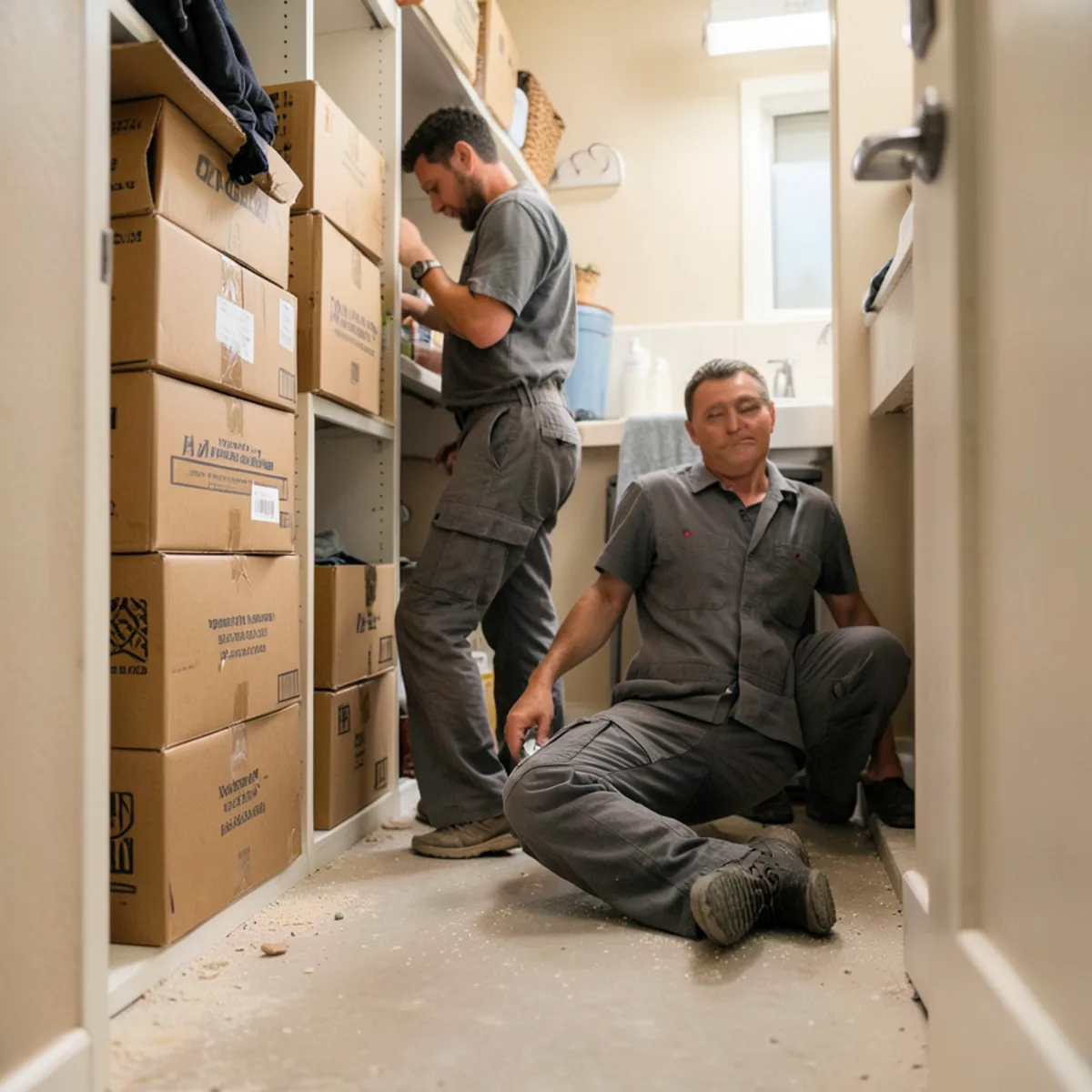
Finding a silverfish tells you little. Finding where it lives tells you a lot, so the inspection goes room by room:
- Tubs, showers, sink cabinets and laundry areas for drips and damp.
- Bath fans and any spot where humidity lingers.
- Closets and shelves for stored paper, cardboard, books and old clothing.
- Heater closets, attic access and hot pipe runs, for firebrats.
- Tiny scales, droppings or scraped paper near the activity.
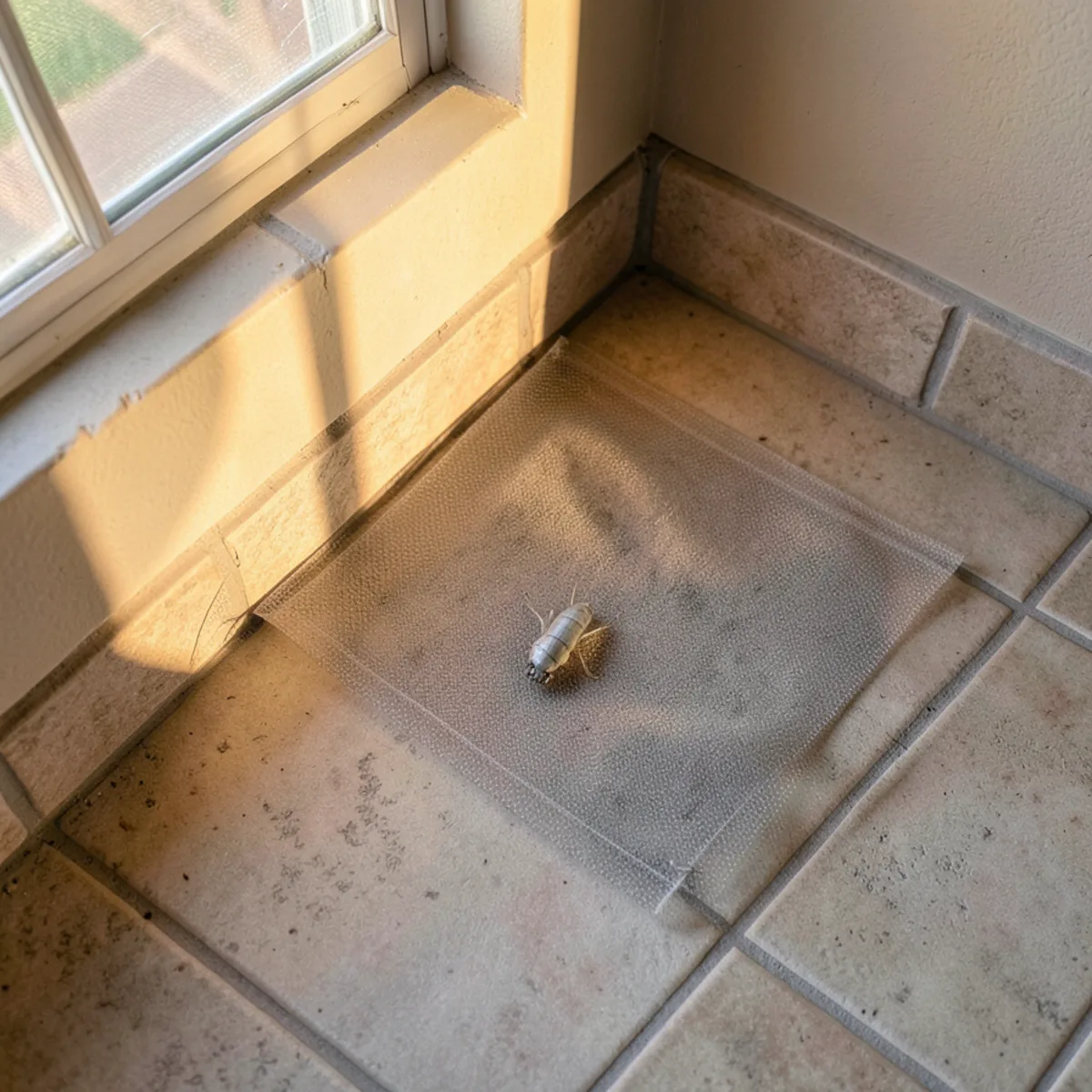
Sticky traps along edges and in corners can confirm where they travel, since these insects hide all day. Cockroach-style traps work fine for this.
What does silverfish work cover?
Silverfish work is a moisture audit with a small treatment attached, if one is needed at all. Kai sorts out which insect you have, then where the damp or heat is coming from. Both species travel along pipelines and through wall and floor openings, so a sighting in a hall closet can trace back to a bathroom on the far side of the wall. They also gather by day in shared hiding places, drawn by pheromones. Finding that one spot does more than treating the room where you saw an insect.
- A species call from the room, the color and any specimen you catch.
- A moisture and heat check of baths, laundry, heater closets and attic access.
- Sticky traps or taped glass jars to confirm travel routes.
- Crack, void and pipe-gap placement only where numbers justify it.
- A sealing and storage list covering pipe gaps, paper, cardboard and dry food.
Silverfish control in Tempe, AZ: what are the options?
The honest order runs from fixing conditions to using chemicals, and the second does little without the first.
- Moisture and clutter. Fix leaks, seal pipe gaps, ventilate, and move paper out of boxes. For a light problem, this and a vacuum may be all you need.
- Dehumidifier or fan. Works on silverfish. It does little for firebrats, which already tolerate dry air.
- Residual treatment in cracks and voids. Useful for large infestations when placed where they hide. Poor results follow if moisture and food stay as they were.
- Dust in wall voids and dry spaces. Works in dry areas and fails when it gets wet and cakes. Many boric acid dusts have little effect on firebrats, so the species matters.
- Baits and foggers. Baits are generally not very successful against these insects, and foggers are not recommended.
What labels and leases say about silverfish
UC IPM notes that many insecticides list these insects, though most have not been adequately tested on them, so a label is a starting point and not a promise. Some dust labels limit use in open areas. Keep sprays out of sinks, drains and food, and oil-based sprays away from electric motors and gas pilot flames, which rules out a careless pass around a heater closet. In a rental, the leak is often the landlord's side of the job. A.R.S. 33-1324 covers keeping plumbing working, and A.R.S. 33-1341 asks tenants to report problems promptly in writing.
Step by step on the visit
- Kai looks at where you saw them and asks when damage or sightings began.
- He checks the moisture and storage list above and names the insect.
- He tells you whether it needs treatment at all, or only repairs and clearing out.
- If it does, he works material into cracks and voids per label directions, in places pets and children have no access to.
- He goes over the moisture and storage changes that make it stick.
Properly placed treatments usually show results within a few weeks. If nothing changes after two or three weeks, the likely cause is a hiding spot that was missed, and that is where the next check goes.
Prefer to write? Request a quote
Calling is fastest. If you are on a job or at work, leave your details and Kai will get back to you.
What affects the cost of silverfish work
- How many rooms or voids are involved.
- Whether it is silverfish, firebrats or both.
- Attic or closet access and how much storage has to be moved.
- Whether a plumbing repair has to happen first, which is a job for a plumber.
Tempe homes split along one line here: the damp job and the hot job. A bathroom with a fixed leak may need little more than a check and advice, while firebrats in a water heater closet or attic can mean void work in cramped, very hot spaces, and summer attic heat limits when that can happen. A closet or garage full of cardboard adds time, since boxes have to be opened or moved first. Book collections need careful placement. Finding both insects matters too, because they rarely respond to one fix, and many dusts do little to firebrats.
Why Kekoa is a straight answer on silverfish
- Kai will tell you if a fix is simpler than a treatment, in line with the no-gimmick approach the business describes.
- Reviewers say he explains how to prevent issues, which is most of the job here.
- He treats inside as well as out.
- Fair pricing is the stated policy, and one long-time customer reports rates have not gone up.
- Monthly customers report a list of the chemicals used, useful if a product went near stored keepsakes.
- One person handles it from the phone call on, so the moisture notes from a first visit are still known at the next.
Other small home invaders and where Kai goes
Damp cover that shelters silverfish indoors often has an outdoor equivalent, so wet beds near a door can also call for earwig control. Chewed fabric or stored food points somewhere else, usually toward beetle control. Kai works from Tempe and covers silverfish treatment in Scottsdale, Phoenix and Chandler.
5.0★ from 54 Google reviews
What customers say about silverfish control with Kai
“We’ve been so impressed with our pest control service! Kai is always professional, punctual, and extremely knowledgeable. He takes time to explain what he’s doing and makes sure we understand how to prevent future issues.”
“When we moved into our home, we had a scorpion infestation.These guys knocked it out in no time haven't seen a scorpion since! (With regular monthly service)”
“He responds to emergency situations immediately! And the best part of working with Kai is that he is the most genuine, friendly and competent contractor we have worked with in our 18 years in Sun Lakes!”
Silverfish Control: common questions
How can silverfish live in a place as dry as Tempe?
They live in the damp pockets a house creates, not the desert air. Bathrooms, shower stalls, laundry rooms and under-sink cabinets can hold the humidity silverfish need, even when outdoor humidity is in single digits. At higher temperatures they need relative humidity above 75 percent. Firebrats do not need that, which is why a dry Tempe attic or heater closet suits them.
What do silverfish actually ruin in a house?
Paper and starch, mostly. They scrape at book bindings, wallpaper paste, sizing, stored documents, starched fabric and dry foods such as flour and pet food. Damage shows as irregular holes that start in one spot and spread. Look for yellowish stains and tiny dustlike scales on the item. Stored boxes in a closet near a bathroom are a common place to check.
How is a firebrat different from a silverfish?
Color and climate. Silverfish are silver or pearl gray and like damp spots at about 71 to 90°F. Firebrats are mottled gray or brown and do best around 98 to 102°F with humidity as low as 30 percent. That makes water heater closets, attics and spaces near hot pipes firebrat country. In Tempe, the room tells you which one it probably is.
Do I need a pest treatment, or can I handle a few myself?
A few can usually be handled at home. UC IPM says light infestations often respond to reducing moisture and physically removing the insects. Fix drips, run the bath fan, clear stored paper and vacuum. Call when they keep appearing after that, or when you find damage in books or stored items. Kai will tell you if treatment makes sense.
How long before silverfish treatment shows results?
Usually within a few weeks, if applied properly and the moisture has been dealt with. UC IPM says that if control has not happened after two or three weeks, an untreated hiding area is probably the source. They are slow breeders in the cold, but above 75°F they can mature in a couple of months, so a Tempe home gives them plenty of time.
Where we offer this
- Sun CityStored boxes and paper in older carport rooms are the kind of thing silverfish eat, so a Sun City storage room is worth opening up and checking on any visit.
- TempeA housing stock centered on the early 1980s means aging bath fans and drains beside closets full of stored paper.
- ScottsdaleDesert-edge lots beside the preserve can see summer movement in, and large attics suit firebrats.
- PhoenixOlder central homes with long hot water runs give firebrats warmth and silverfish damp pipe chases.
- ChandlerHomes from the 1997 median era now have aging water heaters and bath fans, the usual hot and damp spots.
- Sun LakesOn-site built homes date back to the late 1970s, and long-held closets keep the paper and books silverfish scrape.
- Gold CanyonHousing units that stood 26.5 percent vacant in 2020 keep boxes and closets undisturbed for long stretches.
- Apache JunctionA winter population swing leaves homes closed for months, with warm, still air and stored cardboard.
- GlendaleOlder homes around Catlin Court, platted in 1914, can still hold the paste and paper these insects eat.
Talk to Kai about silverfish control
Call first. You will reach the owner, not a call center.
Kekoa Pest Control, 2407 E Wesleyan Dr, Tempe, AZ 85282, (209) 563-1650
- 5.0★ on Google (54 reviews)
- Family owned, owner operated
- Serving since 2022