
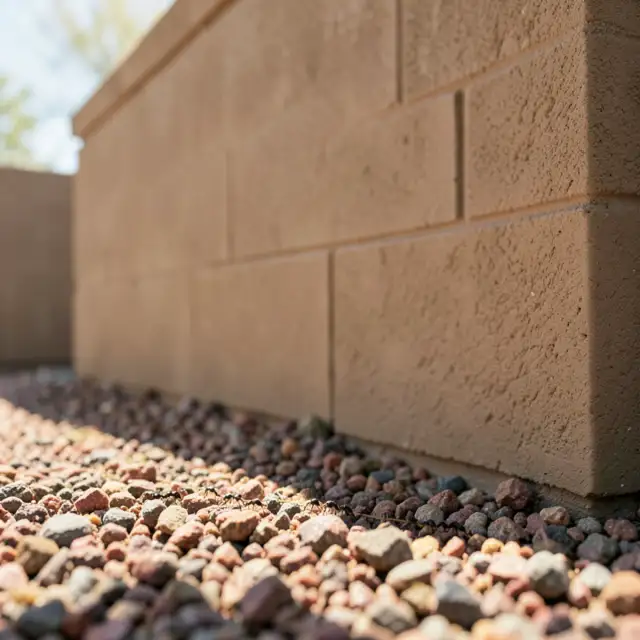
Ant Control in Tempe, AZ
Ant control in Tempe, AZ works when it reaches the colony, because the ants on your counter are only the foragers. Kekoa Pest Control identifies the species first, then matches bait or a yard treatment to it, and Kai explains the plan before he starts.
- 5.0★ on Google (54 reviews)
- Family owned, owner operated
- Serving since 2022
Ants are usually the call a bug exterminator gets after a can of spray has failed. Spraying a trail kills the foragers you can see. The queens stay put, the colony sends more workers, and the line is back within days. What changes the result is knowing which ant it is, since a kitchen trail and a harvester bed need opposite handling.
Which ant do you actually have?
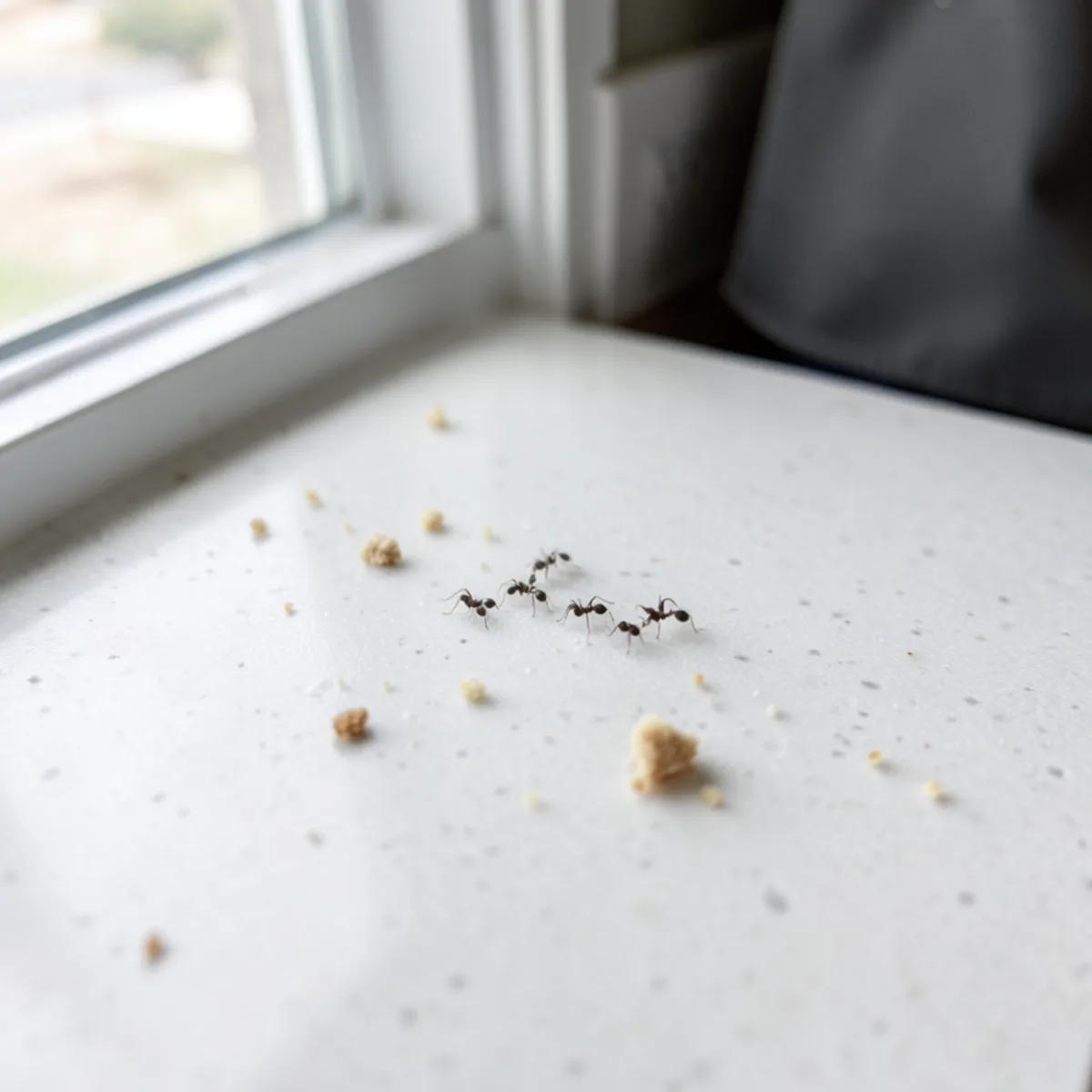
- "Sugar ants." This is a nickname, not a species. In Arizona homes it can mean odorous house ants, which are 1/8 to 1/4 inch, blackish brown and smell when crushed, or tiny pale-brown Argentine ants, about 2 to 3 mm. Argentine colonies have many queens and can sit in big groups under pavers and flagstone.
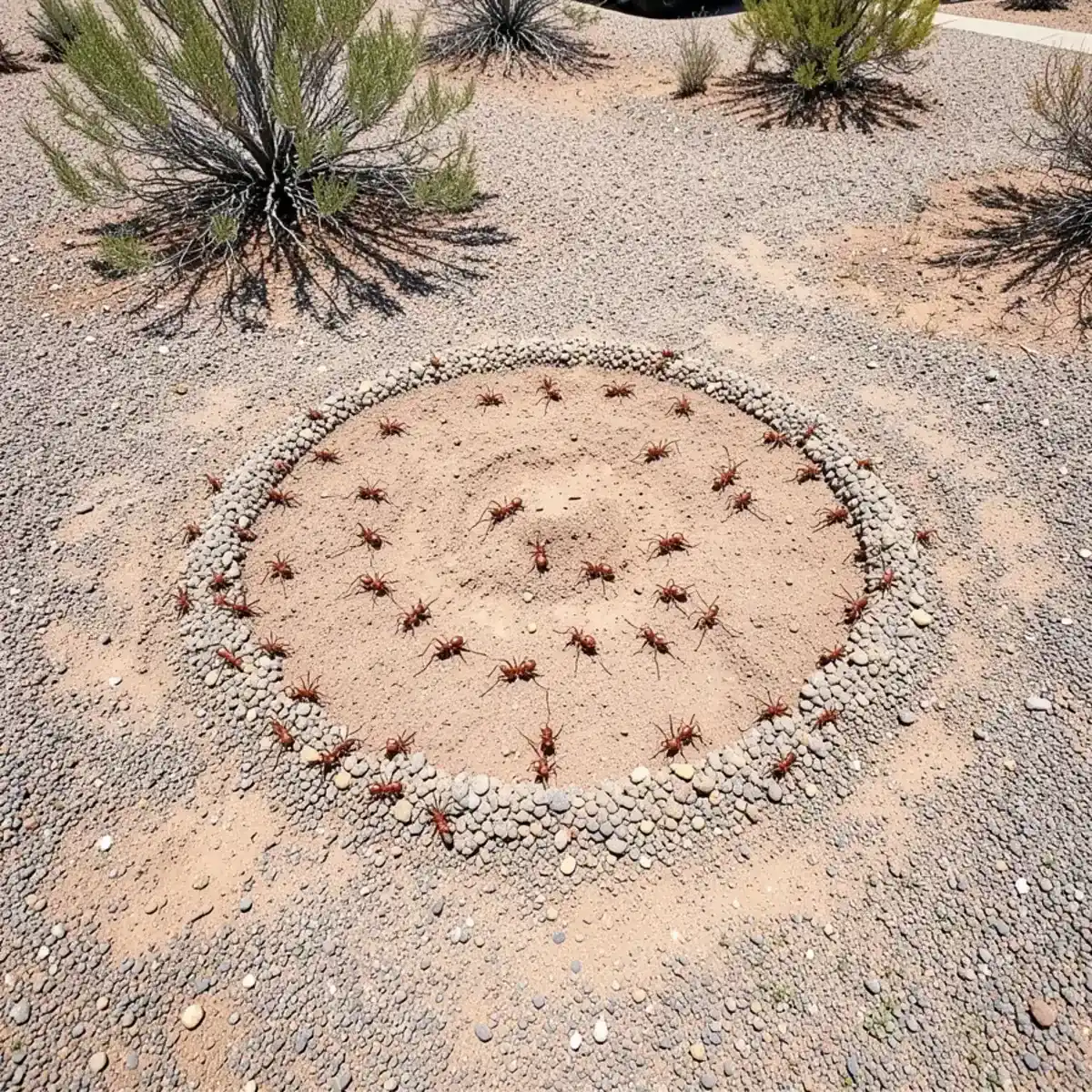
- Harvester ants. Workers run 1/4 to 1/2 inch, orange to red, brown or black. The sign is a bare circle with a hole in the middle. Nests are commonly three feet deep, and they sting and defend hard.
- Native fire ants. See below. Small to medium, mixed sizes in the same nest.
- Carpenter ants. Large, 1/4 to 1/2 inch, black or red and black, and most active after sunset. They nest in stumps, firewood, fence posts and hollow doors, and leave sawdust-like debris outside.
Are there fire ants in Tempe?
Yes, but not the ones you have read about. The red imported fire ant of the Southeast is not established in Arizona, according to University of Arizona Extension, which names the arid low desert as a limiting factor. What lives here is native: the southern fire ant and two desert fire ants.
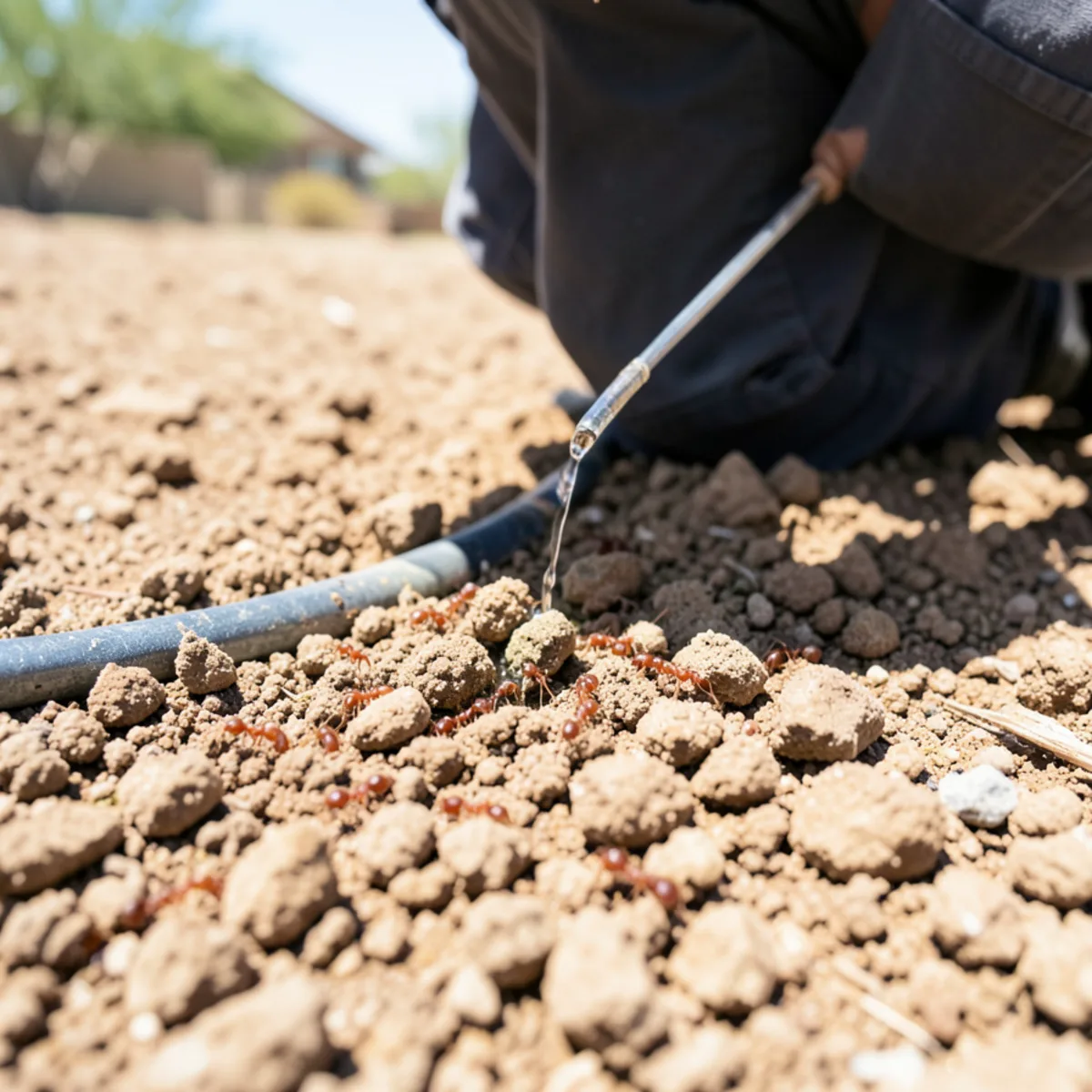
Their nests do not look like the famous mounds. Colonies typically nest in bare, sunny soil, often near moisture, as a barely identifiable patch of loose dirt. A dripping emitter in a gravel yard fits that description. They feed in the morning and early evening on insects, sweets, grease, protein and seeds. Disturbed, they swarm out to bite and sting. For a bad reaction to a sting, Poison Help is 1-800-222-1222, and trouble breathing means 911.
What draws ants to a Valley home?
Water first. A leaking hose bib, sprinkler head or AC drip gives a colony what the desert will not. Sweet food comes second, and that includes honeydew from aphids on your citrus and shrubs, which some ants tend like livestock. Seed spilled under a bird feeder feeds harvesters. Plants and mulch touching the foundation give nesting cover, and pipes and wires act as roads into the wall.
Spills and crumbs that feed ants feed roaches too, so a kitchen with trails may also need cockroach control. Small tan roaches near the same spot point to a German cockroach problem, which is a separate bait job.
The signs worth a call are a trail that returns to the same spot after cleaning, ants at a tub or vanity wall, a bare circle beside a walkway, and sawdust-like debris under a hollow door.
What does Kekoa's ant work cover?
The job starts with the ant, not the product. Kai works out whether you have a sweet feeder, a seed harvester or a fire ant, then plans around the nest. Indoor trails get followed back to the crack they use. Outdoor nests get judged by how close they sit to paths, pets and play areas, because that decides whether they need treating at all. A leak or a shrub touching the wall may matter more than anything he applies, and he will tell you so.
- Trail tracing from the counter, bathroom or wall to the entry point.
- A yard check for bare circles, loose soil patches, paver joints and wet emitters.
- A species call, with bait matched to what that colony is eating.
- Bait or a labeled yard treatment, inside, outside or both.
- Notes on leaks, plant contact and aphid-heavy shrubs to fix afterward.
- A timeline, so you know what several weeks of slow bait should look like.
Ant control in Tempe, AZ: options and trade-offs
- Slow-acting bait. The main tool for most species, because workers carry it home to the queens. It takes weeks, and it fails if anyone sprays around it.
- Bait labeled for harvester ants. Spread around the nest, and timing matters. University of Arizona Extension notes harvesters are least active in the hottest part of the day, which makes that the working window.
- Perimeter spray. Quick reduction of foragers at the wall line, but no effect on the colony. Broadcast spraying is listed as ineffective on Argentine ants.
- Leaving them alone. A harvester nest in a quiet corner, away from people and pets, is doing no harm, and Extension advises letting those be. Horned lizards eat them. Kai will say so when that is the honest answer.
How the ant visit runs
- Kai asks where and when you see ants, then follows the trail to its entry point instead of treating where it ends.
- He looks at the outside for nests, bare circles, irrigation leaks, plants touching the stucco and paver joints.
- He identifies the species, since bait preference changes between sweet and protein feeders and with the season.
- He sets bait inside, outside or both, out of reach of pets and kids, and sticks to the label.
- He explains what to clean, what to leave alone and how long the process should take.
Wipe trails with soapy water to remove the scent, keeping clear of bait. Activity may rise for a few days, and then it drops over several weeks. Sealing the entry point and fixing the leak keep the next colony out.
Prefer to write? Request a quote
Calling is fastest. If you are on a job or at work, leave your details and Kai will get back to you.
What affects the price of ant work?
- Species, since a single harvester bed and a many-queen Argentine ant yard are different jobs.
- How many nests, and whether they are inside walls or out in the yard.
- Lot size and how much irrigated ground is involved.
- Whether it is one visit or part of repeat service.
In Tempe, the ground matters as much as the house. Flood-irrigated lots and drip-heavy beds can support several colonies, and pavers give Argentine ants room to spread, so bait has to go in more spots. A nest beside a play area or pool deck takes more care than one in a back corner, and a nest that can be left alone needs no treatment. Season counts as well, since harvester bait timing and monsoon movement affect when a visit does the most good. Earlier spraying can add time, because bait has to go where workers are still foraging freely.
Fire ant rules and who handles what
Arizona treats the imported species as a plant quarantine matter. Under A.A.C. R3-4-239, the Arizona Department of Agriculture regulates soil and soil-bearing plants shipped from quarantined areas, which must sit at an approved holding area for at least three days. That rule targets imported fire ants such as Solenopsis invicta, not the native fire ants in Tempe yards. A native nest by your drip line is a household decision, not a state matter. If you ever see a tall, domed mound, photograph it and ask University of Arizona Extension or the department before disturbing it. Bait has rules too: the site has to appear on its label, so a yard product is not automatically a kitchen product.
Why Kekoa for an ant problem
- Kai does the work himself, so the person who identified your ant is the person who comes back.
- Reviewers like that he talks through the job and the steps that stop a next round.
- He treats inside and out, which matters when the colony is under a paver and the trail is on your counter.
- Reviewers report a reminder the day before and an on-time arrival, so you can leave a trail in place for him to follow.
- Monthly customers say he leaves a list of the chemicals used, so you know what went down near the kitchen.
- 5.0 stars on Google from 54 reviews, as of November 2026.
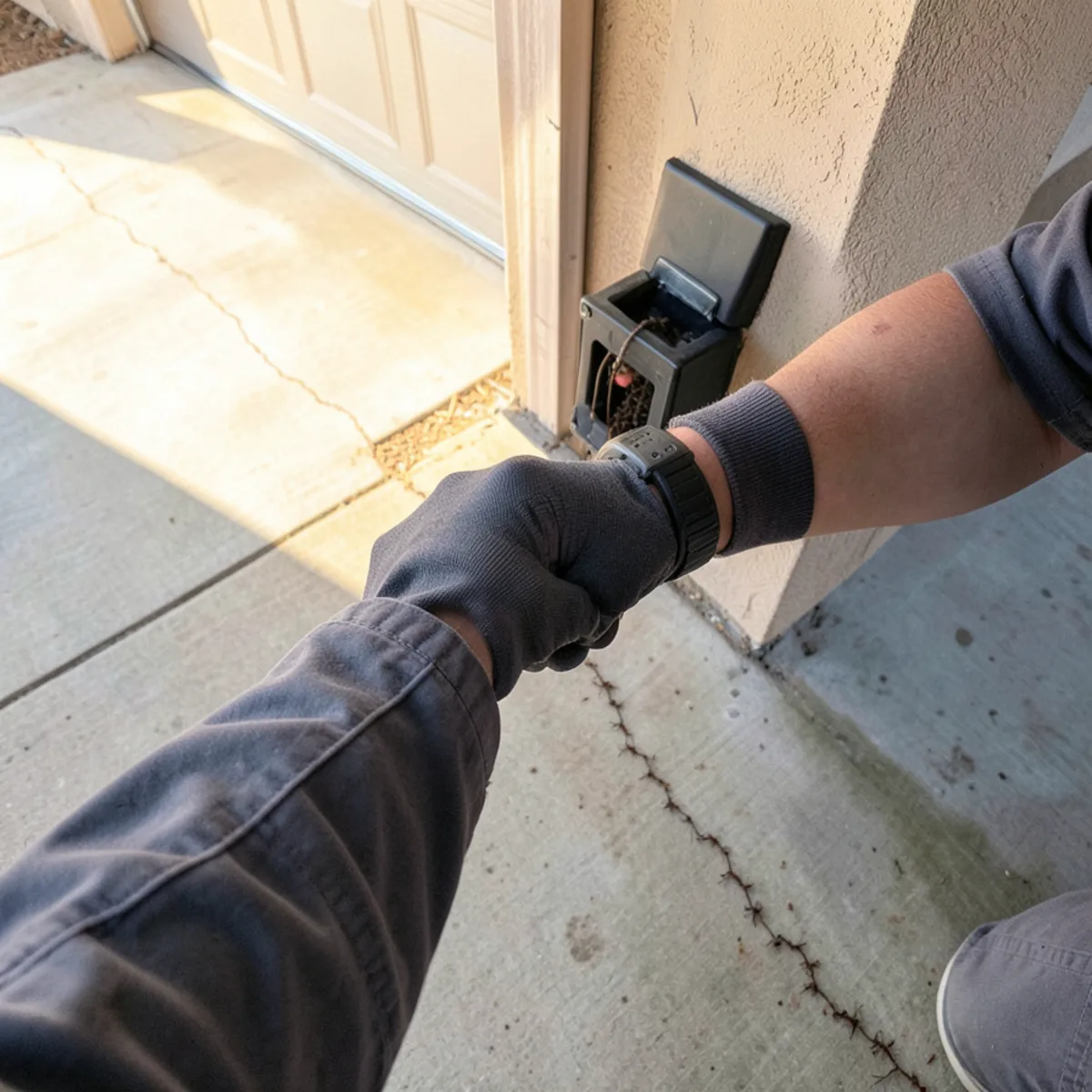
Kai handles ant control in Mesa, Chandler and Gilbert from his base in Tempe. Ring him with a description of the ants and where they are, and he will give you a straight answer on timing.
5.0★ from 54 Google reviews
What customers say about ant control with Kai
“We’ve been so impressed with our pest control service! Kai is always professional, punctual, and extremely knowledgeable. He takes time to explain what he’s doing and makes sure we understand how to prevent future issues.”
“Since working with him, we’ve seen a huge improvement—especially with eliminating scorpions from our yard. Highly recommend!”
“When we moved into our home, we had a scorpion infestation.These guys knocked it out in no time haven't seen a scorpion since! (With regular monthly service)”
Ant Control: common questions
Why does a sprayed ant trail come back within days?
Because spray kills the workers it touches and leaves the queens alive. The colony replaces those foragers and finds the same food again. Sprays also keep workers from carrying bait home, which University of Arizona Extension warns about. That is why Kai asks you to stop spraying a trail before a bait treatment goes down.
How do I tell fire ants from harvester ants in the yard?
Look at the nest. Harvester ants clear a bare circle around a central hole, often with fine gravel at the entrance, and workers run about 1/4 to 1/2 inch. Native fire ants leave a barely visible patch of loose soil in bare, sunny ground, and workers vary in size within one nest. Both sting, so look from a distance.
Why do ants show up indoors after a monsoon storm?
Water moves through shallow nests and pushes colonies toward drier ground, and your slab is often the nearest. University of Arizona Extension notes odorous house ants can invade by the thousands after a change in weather. Storms also bring winged harvester ants out to mate. Keep food sealed, wipe trails with soapy water, and call if they settle in.
Could ants in a bathroom mean a plumbing leak?
Sometimes, yes. Ants come for water, and some species favor warm, moist spots such as wall voids and areas near hot water pipes. A trail that keeps ending at a tub drain, toilet base or vanity wall is worth checking for a slow leak. Kai will tell you if the pattern points to plumbing rather than food.
How long will ant bait take to work?
Expect several weeks for a full colony, sometimes longer. Bait is made to act slowly so workers survive long enough to feed the nest. You may see more ants at first, which usually means they found it. Clean trails with soapy water away from bait placements in the meantime, and avoid household sprays around them.
Where we offer this
- Queen ValleyIrrigated turf at the back fence keeps soil damp beside dry foothill ground, so fairway homes along the Queen Valley course are the likeliest place to find ant trails.
- TempeFlood irrigation still reaches about 850 residential customers, and each delivery can push ant colonies toward dry slabs.
- MesaLots in the citrus sub-area must keep citrus trees, and aphid honeydew on citrus is a steady ant food.
- ChandlerA median build year of 1997 puts many homes in the drip line and paver era that sugar ants exploit.
- GilbertHay ground became fast-growing subdivisions, where new landscaping and drip lines give ant colonies fresh moisture.
- PhoenixAhwatukee lots against South Mountain meet bare desert ground, the setting where harvester ant beds show up.
- Queen CreekA 125.8 percent population jump from 2010 to 2020 means plenty of recently graded yards for colonies to resettle.
- San Tan ValleyBack walls near the creosote flats of San Tan Mountain Regional Park border native ant ground.
- GuadalupeUnder a square mile of closely set homes, one colony's foragers can cross several property lines.
Talk to Kai about ant control
Call first. You will reach the owner, not a call center.
Kekoa Pest Control, 2407 E Wesleyan Dr, Tempe, AZ 85282, (209) 563-1650
- 5.0★ on Google (54 reviews)
- Family owned, owner operated
- Serving since 2022