
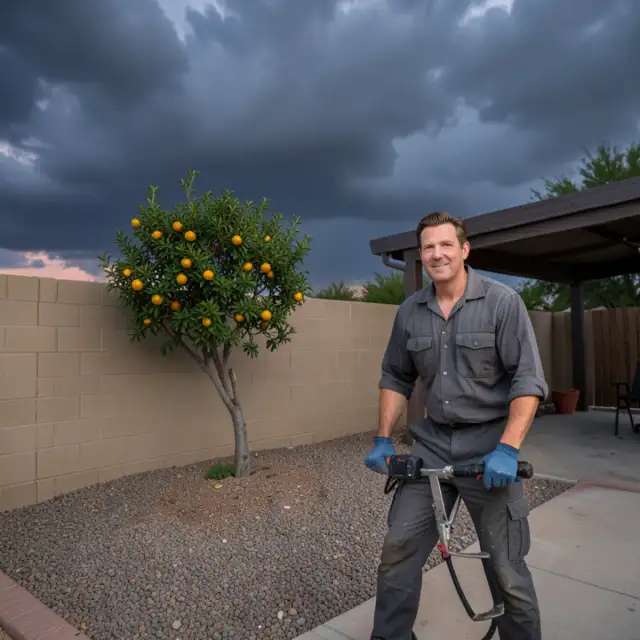
Pest Control Services · By Kai Horner, owner of Kekoa Pest Control · Published · Updated
Tempe sits on the desert floor, but much of it does not behave like desert. Irrigated lawns, citrus trees, block walls and canals give insects and rodents water and shelter through the driest months. That is why pest control in Tempe follows a calendar and a good deal of what you see is predictable.
Common pests in Tempe AZ at a glance
| Season | What to expect | Where you will notice it | One useful job |
|---|---|---|---|
| Spring, March to May | Ants, bee swarms, spiders, first scorpions | Patios, eaves, meter boxes | Check door sweeps and caulk |
| Early summer, June | Turkestan roaches, scorpions, kissing bugs near foothills | Garage, doors, around lights | Dim or switch outdoor lights |
| Monsoon, July to September | Crickets, roaches, mosquitoes, scorpions | Walls, wet corners, bathrooms | Empty standing water after storms |
| Fall, October to November | Late crickets, spiders, first rodents | Garages, storage, attics | Seal gaps at pipes and vents |
| Winter, December to February | Roof rats, mice, indoor roaches | Attics, citrus trees, kitchens | Pick up fallen fruit |
The rest of this post explains why each row looks the way it does.
What wakes up in a Tempe spring?
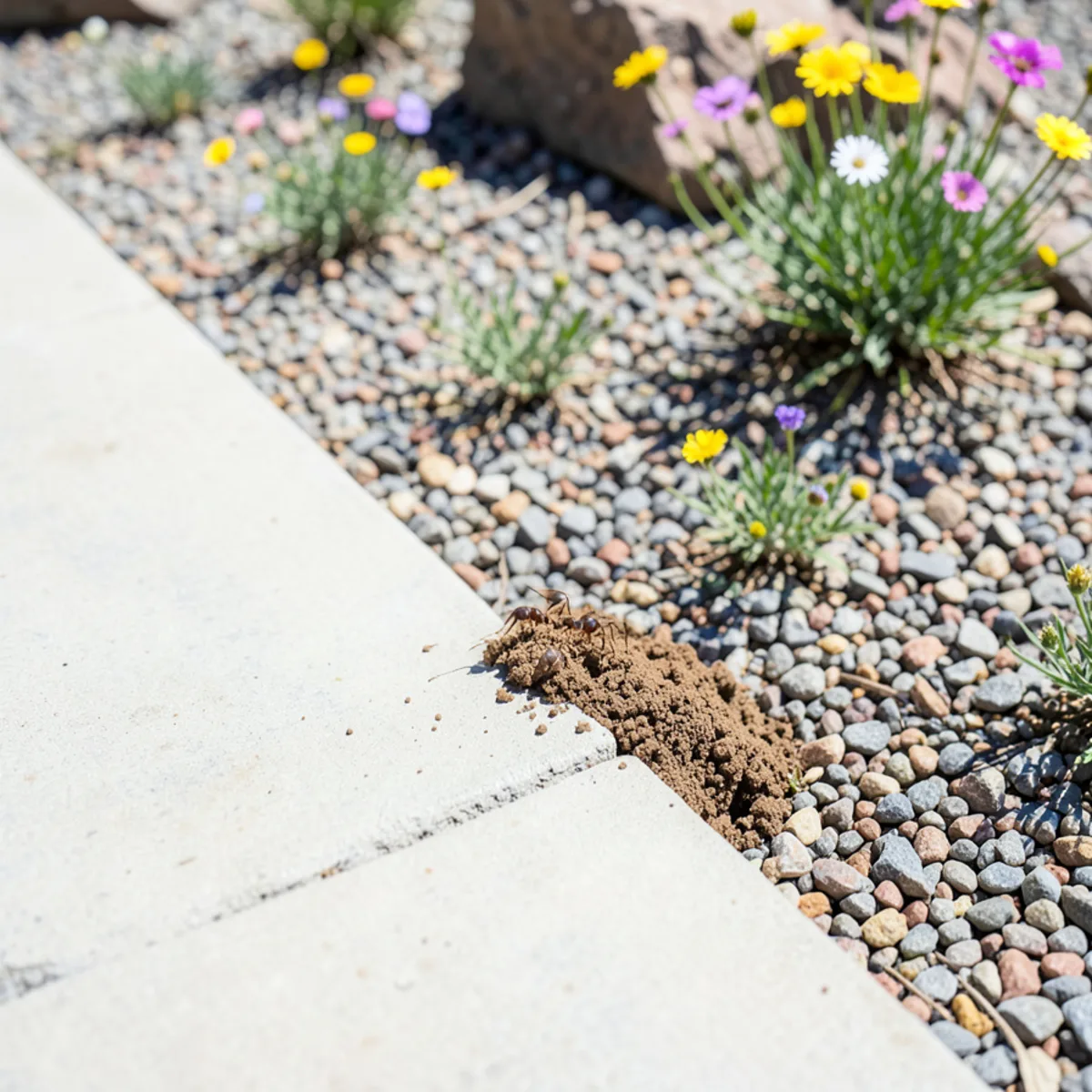
Warm days bring insects out, and spiders follow the food. Ants are usually what people call about first, often along patio slabs and driveway edges.
Spring is also honey bee swarming season. University of Arizona Extension says swarming starts in spring and carries on while flowers keep colonies growing. A cluster resting on a branch usually moves on within one to three days. Bees flying in and out of a wall crack or irrigation box are a colony, and that is a job for bee removal, never a garden hose.
Bark scorpions start moving again too. Extension describes nights above 70 degrees as ideal for them, so the first properly warm evenings are worth a look with a black light.
Summer heat and monsoon pests
Heat pushes pests toward water and shade. June is when Turkestan roaches peak in the Phoenix area, and Extension notes that males fly to lights on warm nights. American roaches can come up through drain traps.
Crickets follow a tight schedule. Eggs laid last summer hatch in late spring or early summer, and the young reach adulthood in roughly 90 days. That puts a large crop of adults in Tempe yards right when storms arrive, and bark scorpions feed on them.
Rain changes things quickly. Scorpions get flooded out of refuges, and mosquitoes need only a little standing water. CDC describes mosquito season as running from June through October, though Maricopa County treats it as a year-round program. Black widows are busy too, with egg sacs most often found from May to October, according to Pinal County Extension.
Flood-irrigated lots add their own twist, since each watering can move crickets and scorpions out of the ground and up onto walls. If your street has it, the day after irrigation is a sensible time to check door thresholds.
What changes in a Tempe fall?
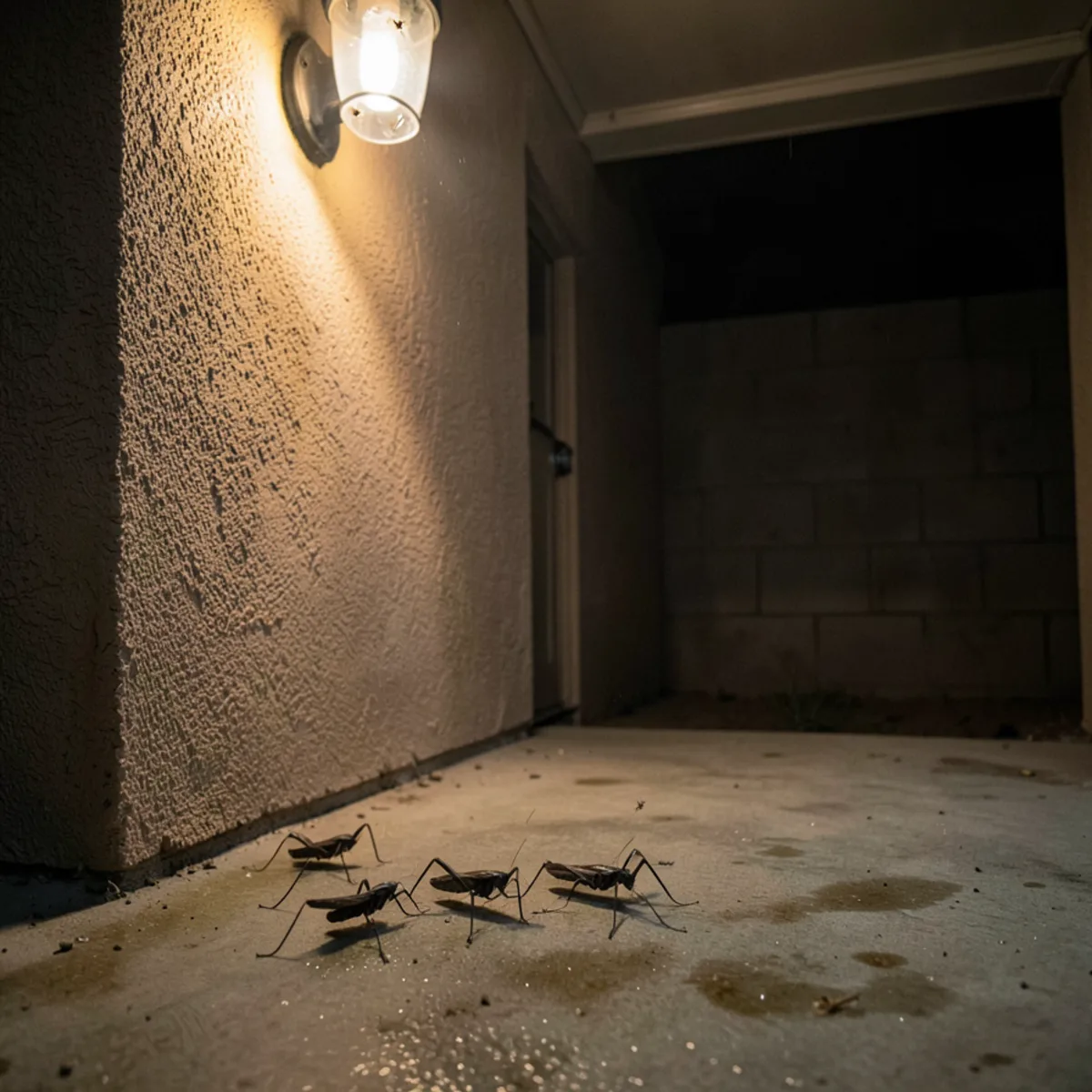
Fall is the handover from insects to rodents, and it is easy to miss because the weather finally feels kind. Crickets finish up first. Extension says they mate and lay eggs in the soil in late summer before age or cold ends them, so next year's crop is already in the ground around your foundation by October.
Other pests hang on longer than people expect. Black widow egg sacs can still turn up into October. Adult kissing bugs live into mid-to-late autumn, according to University of Arizona Extension, and CDC's mosquito season runs through October. Bark scorpions keep moving until nights stop holding above 70 degrees, and they do not really slow down until November.
Meanwhile the rats start up. Tangerines can be plentiful as early as September, which is why fall is the sensible time to check pipe gaps, vents and the roofline before the worst of the season.
Which winter pests do Arizona homes get?
Winter pests are mostly the warm-blooded kind. University of Arizona Extension says roof rats are active all year in low desert cities but far more active from November through May. Backyard citrus is loaded with fruit in those months, and tangerines can be plentiful as early as September. Hollow rinds still hanging on the tree are the classic sign.
Tempe's layout helps them. Roof rats were documented in Phoenix in 2001, and Extension says they have since settled into old citrus and palms and made use of irrigation canals. It adds that they can swim and may spread along canals or sewers, so a quiet street near canal water is no exception.
Bark scorpions do not leave. From November through March they are less active and cluster in protected, undisturbed spaces. People find these groups when they open up a block wall or remodel in winter, so wear gloves for that kind of job.
Indoors, little changes. A German roach problem in a warm kitchen does not care about the forecast.

Pests that ignore the Tempe calendar
A seasonal chart only goes so far. A few pests live on house time, and a cool month tells you nothing about them.
- German roaches. Extension says they favor kitchens and hide inside electric appliances, so a warm motor housing works in any month.
- Brown-banded roaches. Extension calls this the species likely to set up permanently indoors, behind pictures, in furniture and in bedroom closets.
- Indian house crickets. They are the one cricket that can live and breed indoors, so chirping in January means they found a home.
- Bed bugs. These move with luggage and furniture, not weather, so student moves and secondhand couches matter more than the forecast.
A month-by-month job list for a Tempe house
Use this as a reminder and skip what does not apply to your home.
- January: Pick fruit early and check the attic with a flashlight for droppings and rub marks.
- February: Get pre-emergent down. University of Arizona turf guidance gives late February or early March for Phoenix.
- March and April: Check meter box lids, eaves and wall cracks for bee traffic, and look at door sweeps.
- May: Caulk pipe gaps and switch off lights you do not need, ahead of Turkestan roaches and the first warm nights.
- June: Check that weep screed is screened and never plugged, and walk the wall with a black light.
- July to September: Empty standing water after every storm and keep towels off the floor.
- October: Pull debris from the foundation and clear out storage where spiders settle.
- November and December: Prune limbs back from the roof and pick up fallen fruit.
How Kai thinks about the calendar
Treating everything all year is not the goal. The sensible approach is to get ahead of the next season by a few weeks. Door sweeps and caulk are worth doing before June. Gaps around pipes and vents are worth closing while the weather is mild. Fruit should come off the ground before it feeds anything.
Customers describe Kai explaining what he is doing and how to prevent problems, and a calendar like this is the sort of thing that comes up. How often someone comes depends on the house. A well-sealed home with few sightings may do fine on quarterly pest control. An older place with a block wall and citrus often needs more attention in summer.
The pattern holds next door in Guadalupe, where yards back up against the same irrigated ground. Only the details change from street to street.
If this season's pest has already beaten you to it, call (209) 563-1650 and Kai will tell you what he would do first.
Sources
- University of Arizona Extension, AZ1768: Scorpions of the Desert Southwest
- University of Arizona Extension, AZ1004: Cricket Management
- University of Arizona Extension, Backyard Gardener #200: Cockroaches
- University of Arizona Extension, AZ1775: Roof Rats
- University of Arizona Extension, AZ1846: Wild Honey Bees in Community Environments
- University of Arizona Extension, Pinal County newsletter, July 2020
- CDC, About West Nile
- Maricopa County, Fight the Bite
- University of Arizona Extension, AZ1992: What You Should Know About Kissing Bugs
- University of Arizona Turf Tips: Basic Pre-emergence Weed Control in Lawns
About the author
Kai Horner owns and runs Kekoa Pest Control, a family-owned pest and weed control business based in Tempe, AZ, serving the East Valley since 2022. More about Kai