
Cockroach Control in Tempe, AZ
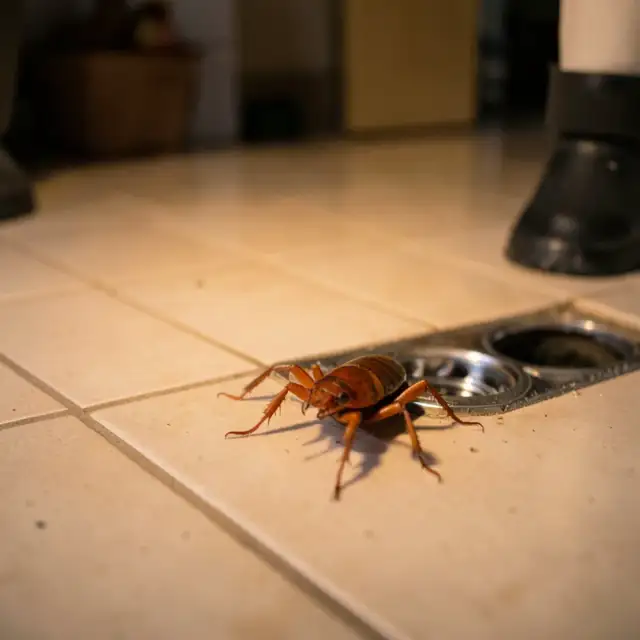
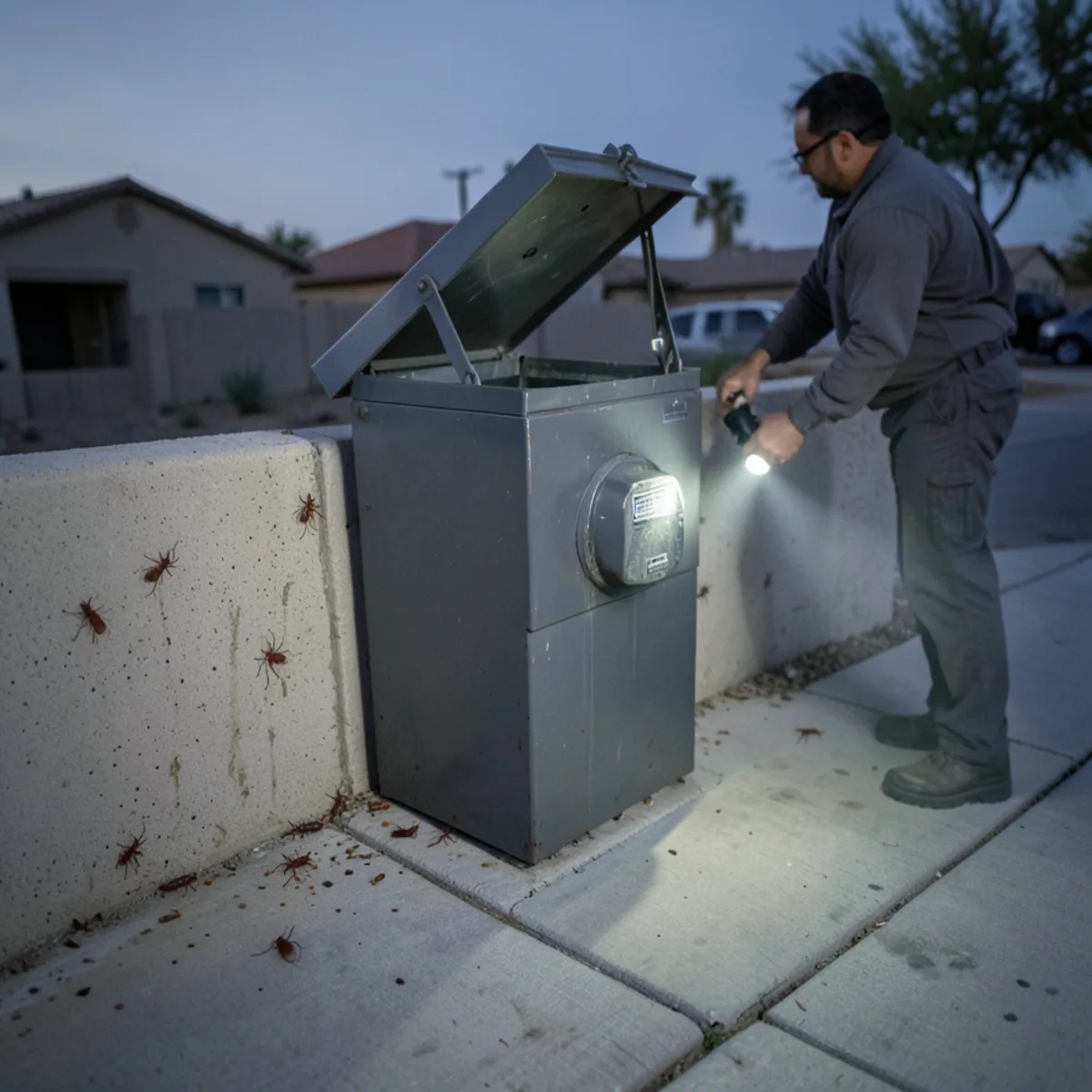
Cockroach control in Tempe, AZ starts with the size of the roach. Big reddish roaches are coming in from sewers and meter boxes, and Kekoa Pest Control treats those routes plus the indoor spots they reach, inside and out, with Kai explaining what he finds.
- 5.0★ on Google (54 reviews)
- Family owned, owner operated
- Serving since 2022
If the roach is more than an inch long and reddish, it did not start in your kitchen. A bug exterminator sees this constantly in the Valley: clean homes, a big roach in the tub, and a homeowner who assumes the worst. These roaches live in sewers, meter boxes and yard cover, and they come in by a small number of routes that can be found.
Sewer roaches in Tempe: which roach is it?
University of Arizona Extension lists seven introduced roach species well established in Arizona cities. Three matter most at a Tempe house.
- American roach. Also called the sewer roach, and the largest and most common in Arizona. Reddish-brown, winged, with two dark spots on a yellowish band behind the head.
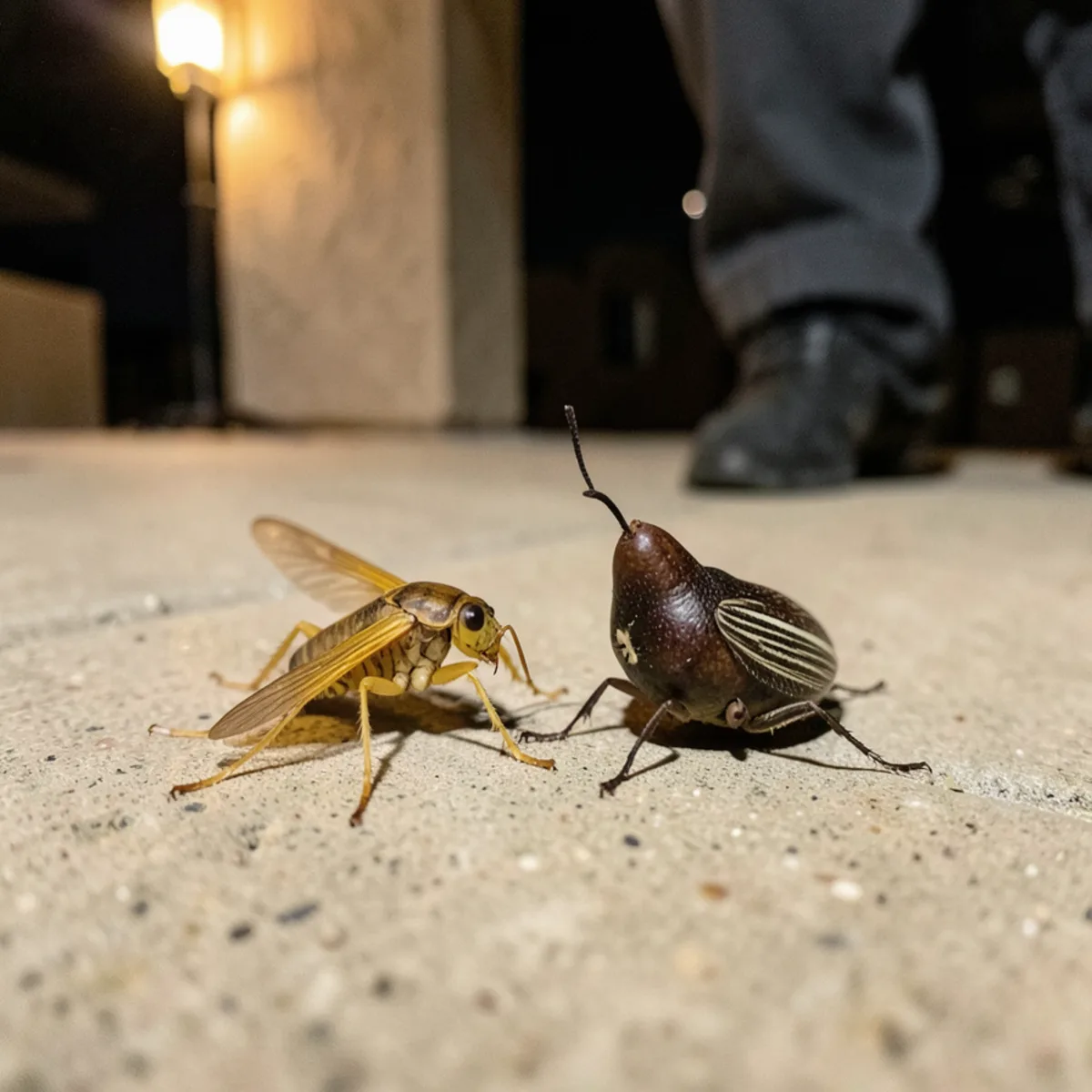
- Turkestan roach. First found in Arizona in 1982 and now common around Phoenix. About an inch long. The male has long yellowish-tan wings, and the pear-shaped female has short wings with creamy edges. It works from in-ground boxes, expansion joints and hollow block, and peaks in June.
- German roach. About half an inch, tan, with two dark stripes. This one lives indoors and needs German cockroach control, a bait program that differs from everything on this page.
Anything else, such as the smaller field roach in leaf litter, gets named during the visit.
What brings roaches into a Valley home?
American roaches favor warm, humid spots above about 82°F. Sewer lines, meter boxes and storm drains offer that all summer. They rise into a house through a dry drain trap, a guest bath nobody uses or a gap where pipes pass through the wall.
Light does the rest. Male roaches fly toward lights on warm nights and then walk under a door with a worn seal. Woodpiles, potted plants, leaf litter and compost hold populations close to the house. Where roaches gather, so do the things that eat them, which is one reason spider control often comes up on the same call.
Signs that a route is active include a big roach in the same tub twice, dead roaches along a door or garage edge, and egg cases on a sheltered ledge.
How Kai looks for the entry points
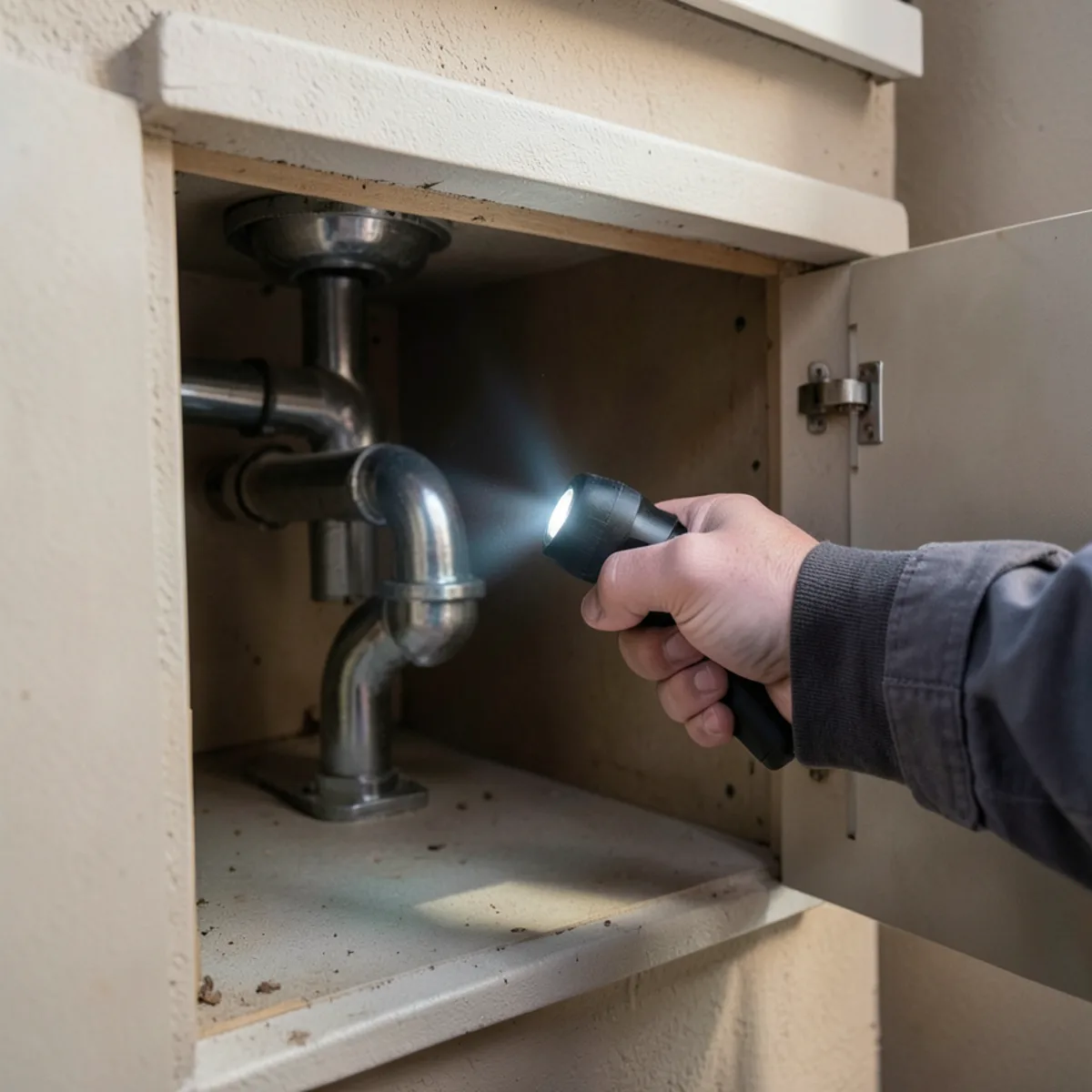
The inspection follows the roach backward. Inside, that means sinks, tubs, floor drains, laundry standpipes, water heater closets and any pipe penetration with a gap around it. Outside, it means meter and valve boxes, sewer cleanouts, weep openings, door thresholds, the garage door seal, and anywhere ground cover is deep and damp.
Egg cases help too. American roaches cement them to protected surfaces, and each case holds about a dozen young that hatch around two months later. Finding those shows where they are living, not just passing through.
What does cockroach treatment include?
This page covers the big outdoor roaches: American, Turkestan and the occasional field roach. The work is route-based, because these roaches breed outside and visit. Kai traces how they reach the house, works those routes inside and out, and shows you what has to change on your side. Indoor German populations are planned separately. Sewer lines are out of reach of a home visit, so the focus stays on the point where the line meets your house.
- A drain and trap check in kitchens, baths, laundry standpipes and floor drains.
- A box check covering water meters, irrigation valves and sewer cleanouts.
- Treatment at foundation lines, thresholds and shelter points.
- Bait in cracks and boxes where the label allows it.
- A species call, including any egg cases he finds.
- A short exclusion list for door sweeps, pipe gaps and garage seals.
Cockroach control in Tempe, AZ: your options
- Exterior residual treatment. Applied at entry routes, boxes and foundation lines. It works on roaches walking in, and it needs repeating through the warm months.
- Bait in cracks, boxes and voids. Gives better long-term control than spray. It may take a week or more, and competing food slows it.
- Exclusion. Door sweeps, sealed pipe gaps and running water through dry traps. This costs little, and it is the part that lasts.
- Foggers. Skip them. UC IPM says they do not reach the crevices roaches hide in, and they bring flammability and exposure concerns.
The roach visit, step by step
- You tell Kai where you saw them, how big they were and what time of day.
- He checks drains and traps, then outdoor boxes and the perimeter.
- He identifies the species, because it decides the whole plan.
- He treats inside and out to the label, keeps placements out of the way of pets and kids, and gives you the re-entry time.
- He shows you the gaps and dry traps to fix, and how to keep them closed.
Afterward, expect to find some dying roaches in the open for a few days. That is normal. Numbers should drop clearly over the following two weeks. If a big roach still shows up now and then in peak summer, the sewer is still out there, and the question becomes how often it gets in.
Prefer to write? Request a quote
Calling is fastest. If you are on a job or at work, leave your details and Kai will get back to you.
What drives the cost of roach treatment?
- Species, since outdoor roaches and an indoor German population are different jobs.
- How many entry points and boxes need attention.
- Size of the home and yard.
- One visit or repeat summer service.
- Whether drains or plumbing gaps need repair by someone else first.
Tempe homes vary more than you would guess. A 1980s house with several guest drains, a floor drain and a long wall line has more routes than a compact newer build. In-ground boxes add time, especially meter and valve boxes holding Turkestans. Flood-irrigated lots and heavy leaf litter raise pressure, and a woodpile or compost bin gives roaches more to work around. June through the monsoon is peak season, so timing changes how much repeat work makes sense. If a plumber needs to fix a broken trap first, that cost is separate and worth paying before treatment. Mention any rarely used bathrooms when you call.
What the city treats, and what stays with you
Tempe already does part of this work. The city says it regularly paints sewer manholes with insecticide paint, across more than 9,100 manholes and 1,100 clean-outs, treating one side of the freeway one year and the other side the next. That holds down roaches in the public system. It does not reach your pipes, your meter box or a dry guest bath trap, so the route at your house stays your job. Phoenix runs a similar manhole program and says it answers only for public sewers. Tempe's nuisance code, Sec. 21-3(b)(20), names roaches among infestations that may become a public health hazard, which matters mostly when a property has been left to get that bad. Heavy activity at a manhole is one to report through Tempe 311, not to treat yourself.
What you get with Kekoa on a roach job
- One reviewer had cockroaches in a new home and saw Kai the next day. That is a review, not a promise, so call and he will say when he can come.
- A reminder the day before and an on-time arrival, according to reviewers.
- An explanation you can use, covering what the roach is and where it entered.
- A list of the chemicals used, which reviewers report at monthly visits.
- Treatment inside and out, because the route starts in the yard and ends at your tub.
- An owner who stays with the job. Kekoa is family owned and owner operated, so the person who found the gap can answer for it later.
- Fair pricing and no sales gimmick, in the words of the business.
From Tempe, Kai also covers roach control in Chandler, Phoenix and Guadalupe, as well as homes right here in Tempe. Phone him to describe the roach. Size alone tells him a lot.
5.0★ from 54 Google reviews
What customers say about cockroach control with Kai
“We’ve been so impressed with our pest control service! Kai is always professional, punctual, and extremely knowledgeable. He takes time to explain what he’s doing and makes sure we understand how to prevent future issues.”
“When we moved into our home, we had a scorpion infestation.These guys knocked it out in no time haven't seen a scorpion since! (With regular monthly service)”
“He responds to emergency situations immediately! And the best part of working with Kai is that he is the most genuine, friendly and competent contractor we have worked with in our 18 years in Sun Lakes!”
Cockroach Control: common questions
Why are big roaches coming up my Tempe drains?
They are American roaches, also called sewer roaches, and they travel the sewer system. University of Arizona Extension says they can enter through drain traps, usually when a trap has dried out or a drain is rarely used. Run water in guest baths and floor drains each week, and close drains you do not use overnight. Kai checks those first.
Does a roach in my house mean it is dirty?
No, not with the big ones. American and Turkestan roaches live outdoors and in sewers, and they walk into clean homes through drains and door gaps on warm nights. A clean house can still have a dry trap. German roaches are the exception, since they need indoor food and shelter, though they arrive in clean homes too.
How many visits will it take to clear roaches?
It depends on the species and the pressure. Outdoor roaches can show a clear drop after one visit, and repeat service holds that through summer. Kai can look at activity in meter boxes, drains and the yard, then tell you what is realistic. Bait may take seven days or more to show results, so judge it after about two weeks.
Why do I see roaches in a brand-new home?
New construction disturbs the ground, and sewer lines, meter boxes and landscaping are all fresh entry routes. Unused drains dry out quickly while a house sits empty, which opens the path. One customer wrote that Kai was at their new home the next day for cockroaches. Run every drain after you move in, then call if they keep appearing.
What is the difference between an American and a Turkestan roach?
Size and color. American roaches are the largest in Arizona, reddish-brown with a yellowish band behind the head. Turkestan roaches are about an inch long. Males have long yellowish-tan wings, and females are darker and pear-shaped with short wings and creamy stripes at the edges. Both mostly live outside, and Turkestans hit peak numbers in June.
Where we offer this
- TollesonRoaches ride in on deliveries and shelter in warm drains near commercial corridors, so say whether you see large ones outside or small ones in the kitchen.
- TempeThe city paints public manholes, yet private drains, meter boxes and dry traps stay open to sewer roaches.
- ChandlerWith a 1997 median build year, many door seals and weather strips have reached replacement age.
- PhoenixThe city treats half its manholes each year, but big roaches still reach homes through private lines and dry traps.
- GuadalupeTight lots leave little open ground, so outdoor roaches move from yard to yard with ease.
- MesaOriginal garden-lot blocks hold damp in-ground boxes and leaf cover that suit Turkestan roaches.
- GilbertNew construction brings dry drain traps at move-in, and Gilbert added homes faster than most large US places.
- ScottsdaleThe 11-mile Indian Bend Wash corridor keeps lakes, turf and drainage close to central homes.
- Sun LakesGuest baths that go unused for weeks let traps dry, the classic American roach route into a home.
Talk to Kai about cockroach control
Call first. You will reach the owner, not a call center.
Kekoa Pest Control, 2407 E Wesleyan Dr, Tempe, AZ 85282, (209) 563-1650
- 5.0★ on Google (54 reviews)
- Family owned, owner operated
- Serving since 2022