
Earwig Control in Tempe, AZ
Earwig control in Tempe, AZ is mainly a moisture and cover job, since these pincer bugs hide in damp, dark spots beside irrigated beds and walk in at the door. Kekoa Pest Control checks those spots, seals what can be sealed, and treats only if numbers justify it.
- 5.0★ on Google (54 reviews)
- Family owned, owner operated
- Serving since 2022
Earwigs look worse than they are. The pincers on the back end are enough to make anyone call a bug exterminator, yet the insect itself is a scavenger that eats dead plant matter and aphids and has no interest in you. They become a real nuisance when an irrigated bed runs right up to the door and dozens start walking in on summer evenings.
What are the pincer bugs in my Arizona house?
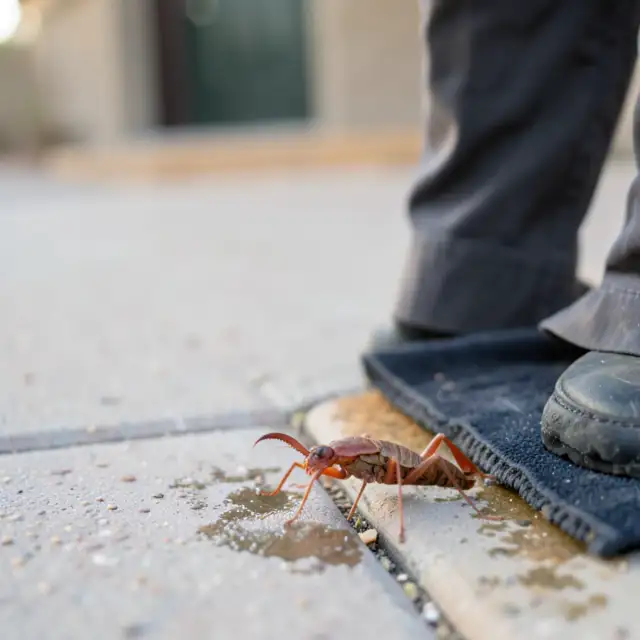
Most likely the European earwig, which University of Arizona Extension describes as common in Arizona. Adults run about 5/8 inch long, with a flat, reddish brown body and very short wings. The pincers tell males from females, curved in males and straight and slender in females. Young earwigs look like small, pale adults.
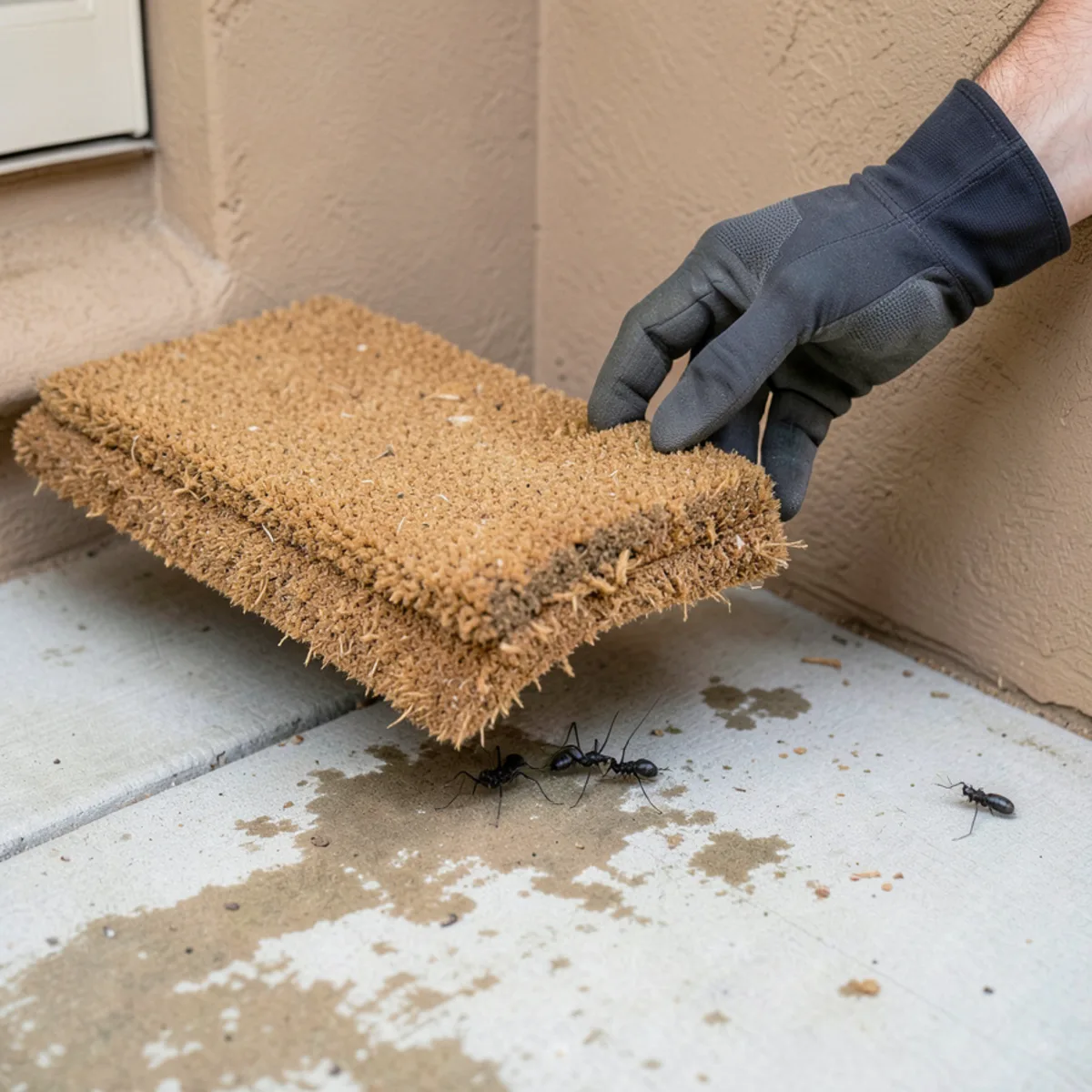
They are active at night and hide during the day. Lift a doormat, a pot or a flat stone at dusk, and that is usually where you will find them. If one is crushed or disturbed you may also notice a foul-smelling liquid.
Females are unusual among insects, because they guard their eggs and newly hatched young. Extension's guide says earwigs mate in fall, winter in pairs in a small nest, and lay in early spring, with nymphs out from late May and adults by early July. That calendar comes from Yavapai County, so low-desert timing may differ. UC IPM reports masses of 30 or more eggs and generally one generation a year.
UC IPM also describes a striped earwig in Southern California that comes to lights, smells bad when crushed and leaves plants alone. If yours are at the porch light and not in the beds, mention it to Kai.
Earwigs in the garden: what keeps them near Tempe homes?
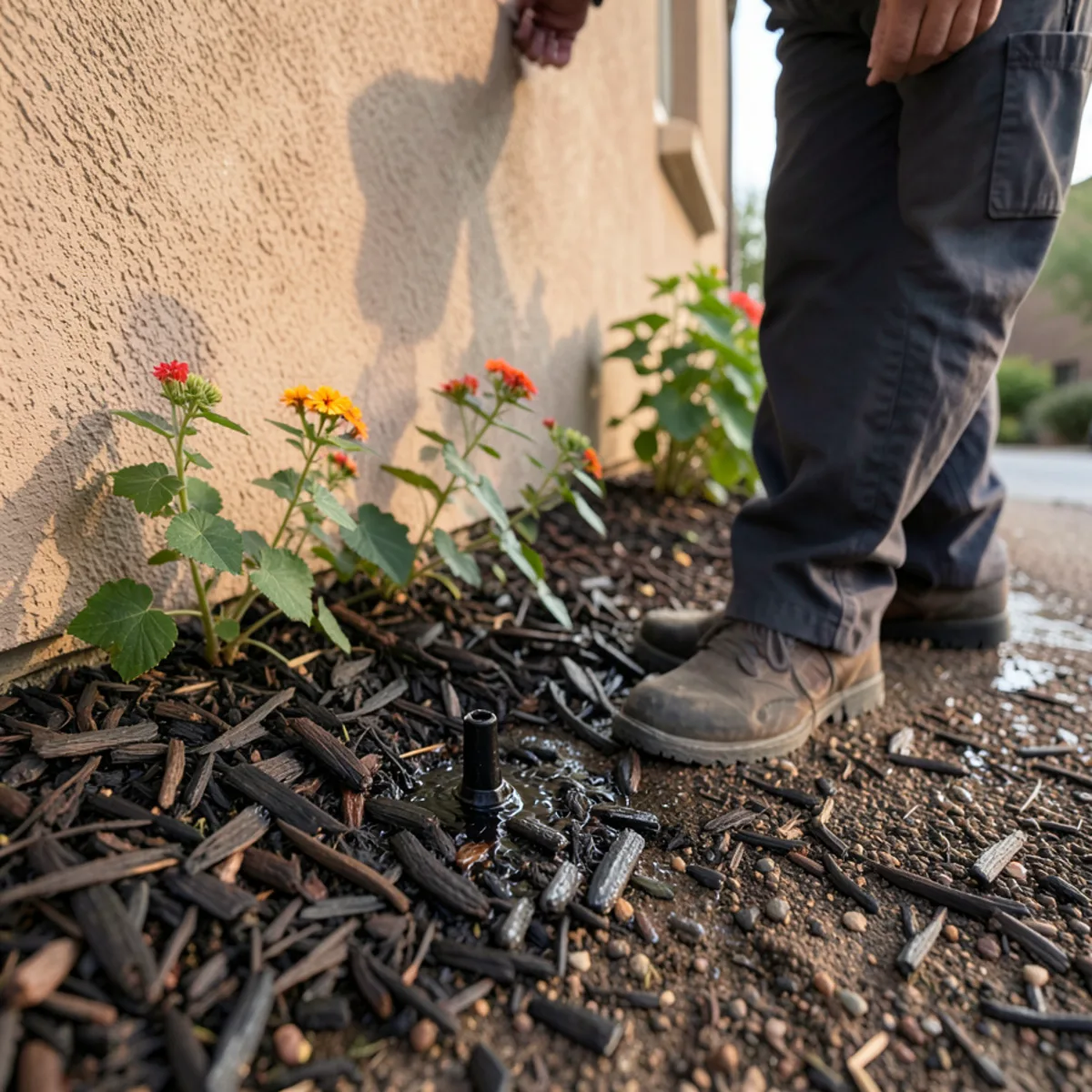
Water. UC IPM says earwigs would have a hard time in a dry climate without the moisture and shade of irrigated gardens, and that describes most of the Valley. An unirrigated gravel side yard holds few of them. Lantana beds, turf edges, citrus wells and vegetable boxes hold many.
Hiding places do the rest. Look at potted plants, leaf piles, door mats, loose bricks, stacked lumber, ivy and the cracks between pavers. The pattern on a typical Tempe lot is a damp bed and a paved path leading to a door or garage. Older lots on the city's flood irrigation can run wetter still.
Lights add a little pressure. UC IPM notes yellow or sodium vapor bulbs attract fewer earwigs than white ones, so a bright white fixture over the door does you no favors.
Plant damage is usually minor. Seedlings can lose leaves and stems, older plants show irregular holes or chewed edges, and soft fruit such as apricots and strawberries gets gouged. Zinnias, marigolds and dahlias take hits too. Caterpillars leave similar damage, so check with a flashlight after dark. UC IPM adds that earwigs can go relatively quiet in hot summer climates, which makes a watered bed in July the place to look.
Earwigs in the house: how much of a problem is it?
Less than it looks like. Indoors, earwigs do not damage property, eat your food or reproduce, and an individual does not live long. Extension says they can keep migrating into buildings all summer, and that some will still get in however well you seal. What you are managing is traffic, not an infestation. That is a very different job from ant control, where a colony may be living in the wall.
What does earwig control include?
Most of this job happens before any product comes out. The goal is fewer earwigs reaching the door, so Kai maps the wet cover nearest your thresholds and works outward. He shows you which beds, mats, pots and pavers are holding them, and whether your watering pushes them toward the house. If numbers stay high after that, exterior work at the foundation is the next step. Indoor spraying is not part of it.
- A look under mats, pots, flat stones and paver joints near doors.
- An irrigation check for leaks, overspray and emitters aimed at walls.
- A cover list of mulch, ivy, leaf litter and wood to pull back.
- A gap check at thresholds, windows and the slab line.
- Drainage notes on downspouts, gutters and soil that holds water at the wall.
- Foundation treatment only if numbers justify it.
Earwig control in Tempe, AZ: how the methods compare
- Reducing cover. Rake out leaves and debris, pull mulch back, lift pots onto feet, and stack lumber and bricks away from the house. Colorado State calls this the most important step.
- Changing the water. Keep it off the walls and slab. Fix leaks, and aim heads and emitters at plants.
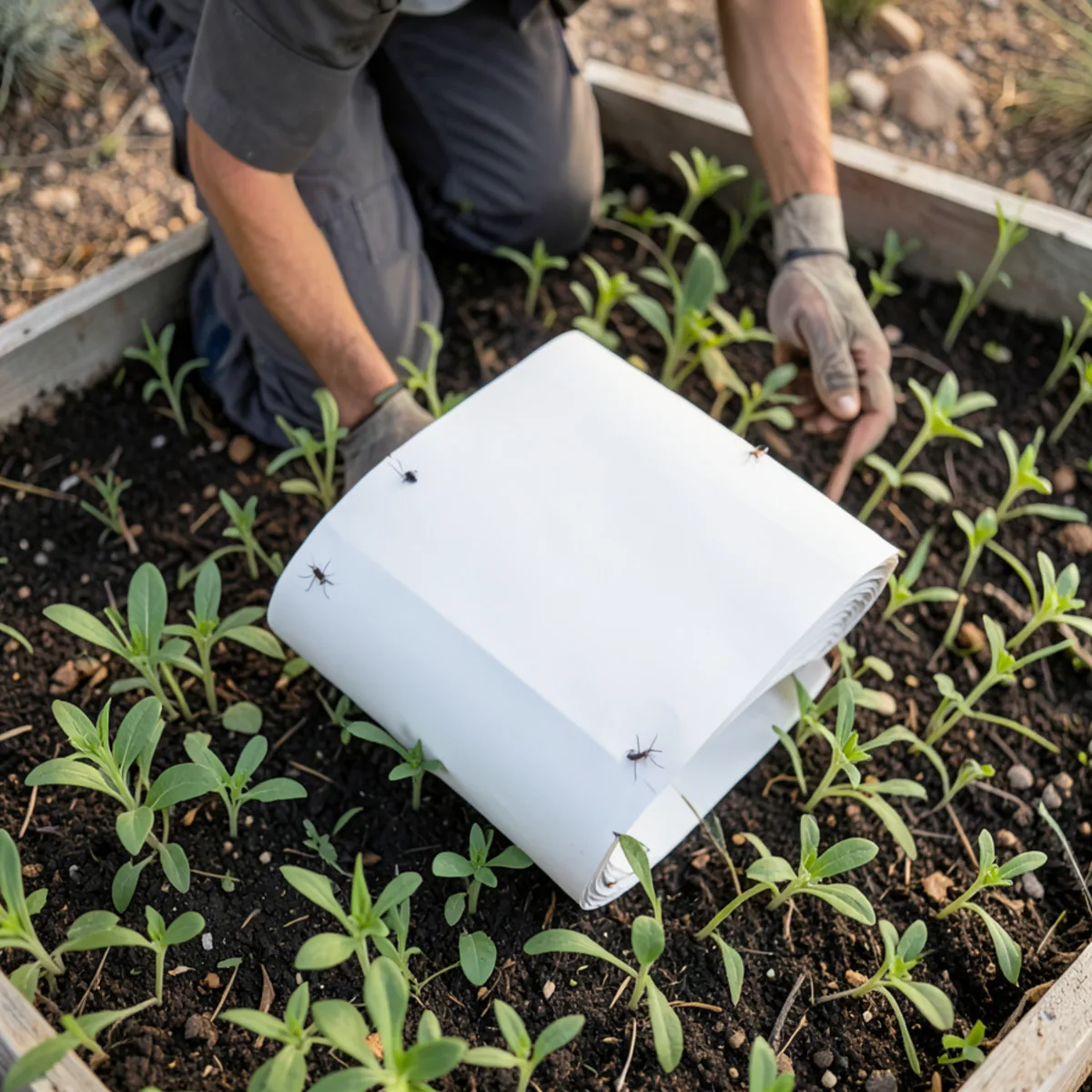
- Traps. Rolled damp newspaper or a tuna can with vegetable or fish oil, set at dusk and shaken into soapy water in the morning. Cheap, and it works in a bed.
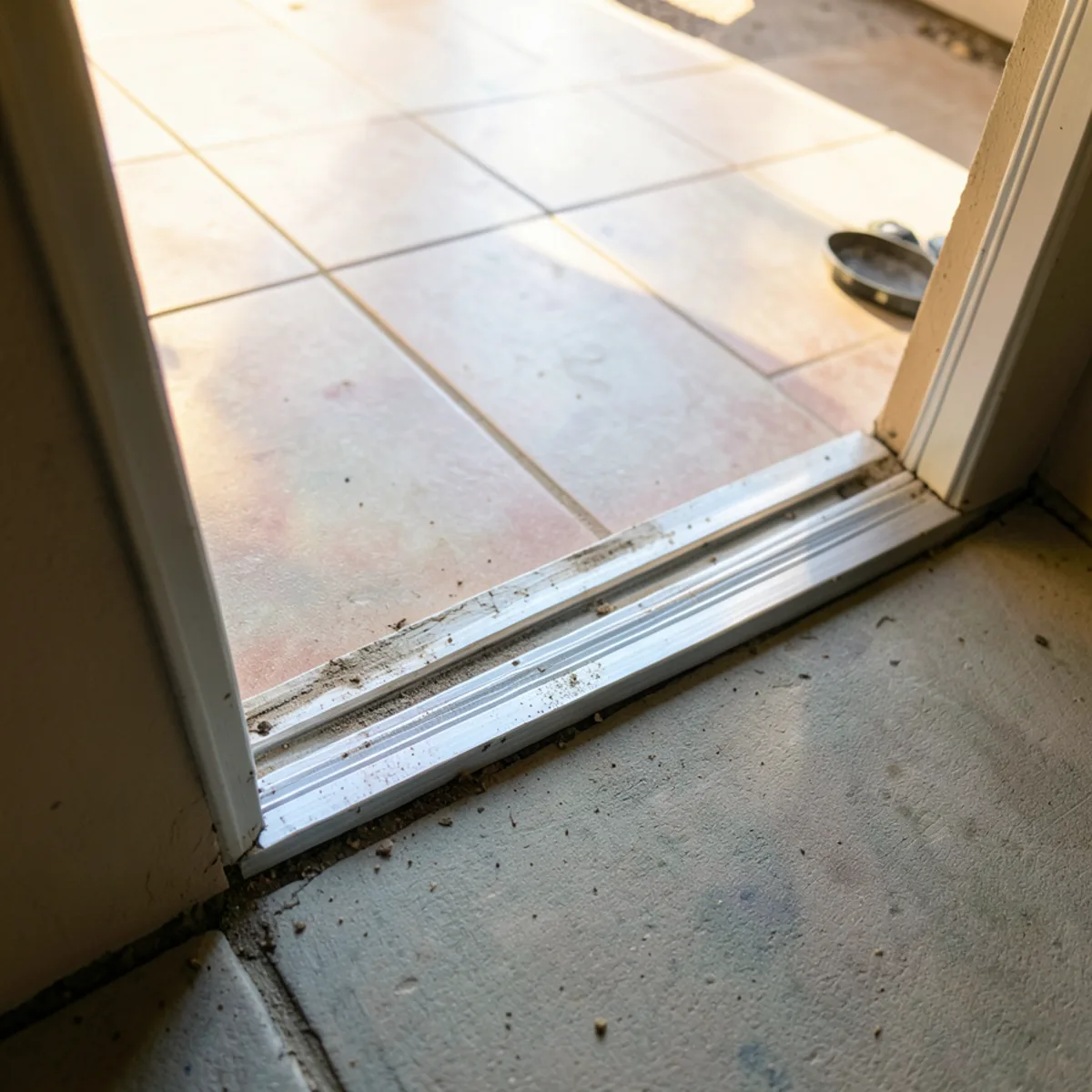
- Sealing. Caulk gaps around doors, windows and the foundation line. Door sweeps help most.
- Exterior treatment. Reserved for high numbers around the foundation. Extension says earwigs can usually be managed without chemical insecticides, and UC IPM adds that baits often do poorly when other food is around. Kai will tell you if it is warranted.
Water rules and what a label allows
Tempe has a Water Waste Ordinance prohibiting wasted water, and the city takes reports through Tempe 311, so overspray on a wall is worth fixing for more than one reason. Check the code text for exact limits. The other rule is the label. A product labeled for a foundation is not automatically allowed in a vegetable bed, so the crop has to appear on the label before anything goes near tomatoes or strawberries. UC IPM adds that any outdoor insecticide should go on at night, before trouble turns severe, with bees protected, and notes outdoor use is rarely needed at all.
What a visit for earwigs looks like
- Kai asks where you find them, how many, and whether it follows watering.
- He checks beds, irrigation, mats, pots and pavers near the doors.
- He looks at thresholds and foundation gaps, and shows you where they are coming in.
- If numbers justify it, he treats the foundation and shelter spots at the exterior, label in hand, avoiding areas where pets and children play.
- He explains the watering and cover changes for you to keep up.
After the visit, traffic should fall over a week or two as the wet cover dries and the gaps close. Seasonal numbers run through summer and adults stay active into fall, so a few more at the door is expected.
Prefer to write? Request a quote
Calling is fastest. If you are on a job or at work, leave your details and Kai will get back to you.
What determines earwig treatment cost?
- Whether any treatment is needed, or just advice and repairs.
- Size of irrigated beds near the home.
- Number of doors and length of foundation involved.
- Whether other insects, such as crickets or ants, are part of the same visit.
Tempe yards make this one of the simpler jobs to scope. A gravel lot with one bed by the front door may only need a walk-through and advice. A flood-irrigated lot, a long bed down the side of the house or a patio of loose pavers takes longer to check and more to fix. Bark mulch and thick ground cover near several doors add work. Pots, loose bricks and stacked lumber near the house count too, since each gets lifted and checked. If treatment does go down, foundation length sets most of its size. Irrigation repairs belong to you or a landscaper and sit outside any pest bill.
What Kekoa brings to a small problem
- Straight talk. The stated approach is honest service with no sales gimmick, which suits a pest that often does not need much treatment.
- Prevention advice at the visit, a point reviewers mention.
- One person from the phone call through the work.
- 5.0 stars from 8 Yelp reviews and 5.0 from 54 on Google, checked November 2026.
- Reviewers report a reminder the day before and an on-time arrival, so the beds and mats can be left as they are for him to see.
- If a wet lot keeps sending them in, monthly service, the schedule most reviewers use, keeps the foundation on a calendar.
Coverage, and when it is not an earwig
Kai covers earwig control in Gilbert, Mesa and Sun Lakes from his Tempe base, and you can read about pest control in Tempe for local detail. If what you are finding in the beds is hard-shelled and has no pincers, it may be a grub or adult beetle instead, and the page on beetle control will help you sort that out.
5.0★ from 54 Google reviews
What customers say about earwig control with Kai
“We’ve been so impressed with our pest control service! Kai is always professional, punctual, and extremely knowledgeable. He takes time to explain what he’s doing and makes sure we understand how to prevent future issues.”
“Since working with him, we’ve seen a huge improvement—especially with eliminating scorpions from our yard. Highly recommend!”
“When we moved into our home, we had a scorpion infestation.These guys knocked it out in no time haven't seen a scorpion since! (With regular monthly service)”
Earwig Control: common questions
Why do earwigs gather around drip lines?
The wet spot under an emitter is often the only damp, shaded ground in a gravel yard. Add mulch or a flat rock and you have the dark, confined shelter earwigs hide in during the day. UC IPM credits drip with reducing surface moisture compared with broad watering, so keep drip, but pull mulch and debris back from the foundation.
Can earwigs hurt people or pets?
Not in any meaningful way. UC IPM says earwigs are not harmful to people, though they may pinch if trapped in clothing or sat on. Their pincers are for defense and for holding prey. They can give off a foul-smelling liquid. The old story about crawling into ears has no basis as normal behavior, according to University of Arizona Extension.
Why do I find earwigs indoors right after watering?
Watering floods the crevices they hide in and sends them looking for somewhere damp but not soaked, and a slab edge or door threshold is close. Sprinkler overspray on a wall makes this worse. Point heads and emitters away from the house, and water early in the day. A few inside will not start a colony, since they do not reproduce indoors.
Are earwigs bad for my garden or are they helpful?
Both. University of Arizona Extension describes them as decomposers and predators of aphids and scales, and says they usually do not cause extensive damage. They do sometimes feed on seedlings, leafy greens, flowers and soft fruit. In a Tempe bed, trapping with rolled newspaper handles most trouble. Heavy chemical use would also remove the beneficial insects nearby.
Do store-bought sprays help with earwigs in the house?
Not much. UC IPM does not recommend indoor pesticide use for earwigs because it will not prevent entry, and an individual earwig does not live long indoors anyway. Vacuum or sweep up what you find, then fix the gap it came through. If they are arriving in numbers, Kai will look outside for the source.
Where we offer this
- TempeCity flood irrigation wets older lots well past what a gravel yard holds, and earwigs follow the water.
- GilbertLand once watered by the Eastern and Consolidated canals still supports irrigated beds beside doors and pavers.
- MesaCitrus wells on garden lots stay wet and shaded, which is where earwigs shelter by day.
- Sun LakesLandscaped beds next to patios keep cool, moist cover close to thresholds in country club communities.
- PhoenixFlood irrigation inside raised berms on about 20,000 parcels soaks the cover earwigs need.
- Paradise ValleyOne-acre lots can carry long irrigated beds running right up to doors and patios.
- ChandlerPlantings around Ocotillo's reclaimed-water lakes give earwigs damp shade in a dry climate.
- Queen CreekFarm-country home gardens grow the soft fruit and leafy crops earwigs sometimes chew.
Talk to Kai about earwig control
Call first. You will reach the owner, not a call center.
Kekoa Pest Control, 2407 E Wesleyan Dr, Tempe, AZ 85282, (209) 563-1650
- 5.0★ on Google (54 reviews)
- Family owned, owner operated
- Serving since 2022