
Pest Control Services · By Kai Horner, owner of Kekoa Pest Control · Published · Updated
The first big storm of the season feels like relief. For anything living in the ground, a wall void or a dry wash, it is an eviction notice. Your house is the nearest high, dry spot, so if you want a general picture of pest control in Tempe and the wider Valley, late summer is when it gets busiest.
Which monsoon pests Arizona homes see first
The National Weather Service counts the season as June 15 to September 30, so plan on more than three months of this. Different pests respond to different parts of a storm. Some are pushed out by the water. Others breed in what is left behind.
| Pest | What the storm does | When you notice | First thing to check |
|---|---|---|---|
| Crickets | Adds moisture while adults mature | Dusk, around lights and doors | Door sweeps, outdoor lights |
| Scorpions | Floods them out of refuges | Night, on walls and thresholds | Weather-stripping, weep screed |
| American roaches | Drives them up and out of wet spaces | Night, near drains and in garages | Unused drains, gaps at pipes |
| Mosquitoes | Leaves breeding water | About a week later | Saucers, gutters, low spots |
| Winged swarmers | Triggers mating flights | Day or evening after rain | Collect a few for identification |
Bugs after rain in Arizona, one at a time
Crickets. University of Arizona Extension lists Indian house crickets and field crickets as the two most common kinds in Maricopa County. Both move toward lights and foundations, and Indian house crickets readily come inside through cracks. Extension's advice is plain: seal openings, keep doors tight and keep lights off at night where you can.
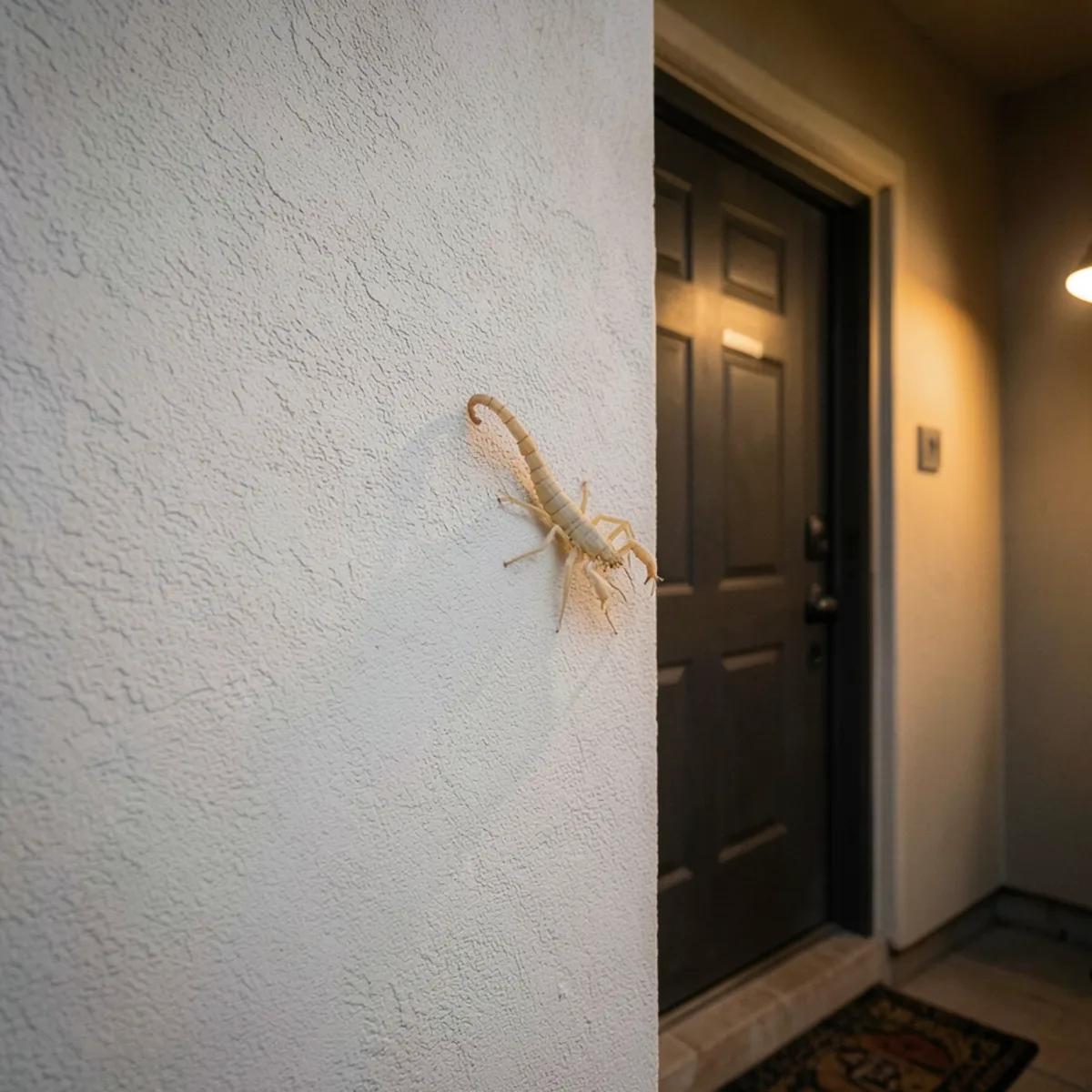
Scorpions. Extension says bark scorpions move when irrigation or monsoon rain floods them out of their refuges. Homes near dry washes or farm fields can see an influx during summer rains. A sudden run of sightings after a storm fits that pattern and does not automatically mean a nest in the wall. If anyone is stung, Extension says to call Poison Help at 1-800-222-1222. For a child 9 or under, or under 70 pounds, it says call 911 or Poison Help, or go straight to the nearest hospital.
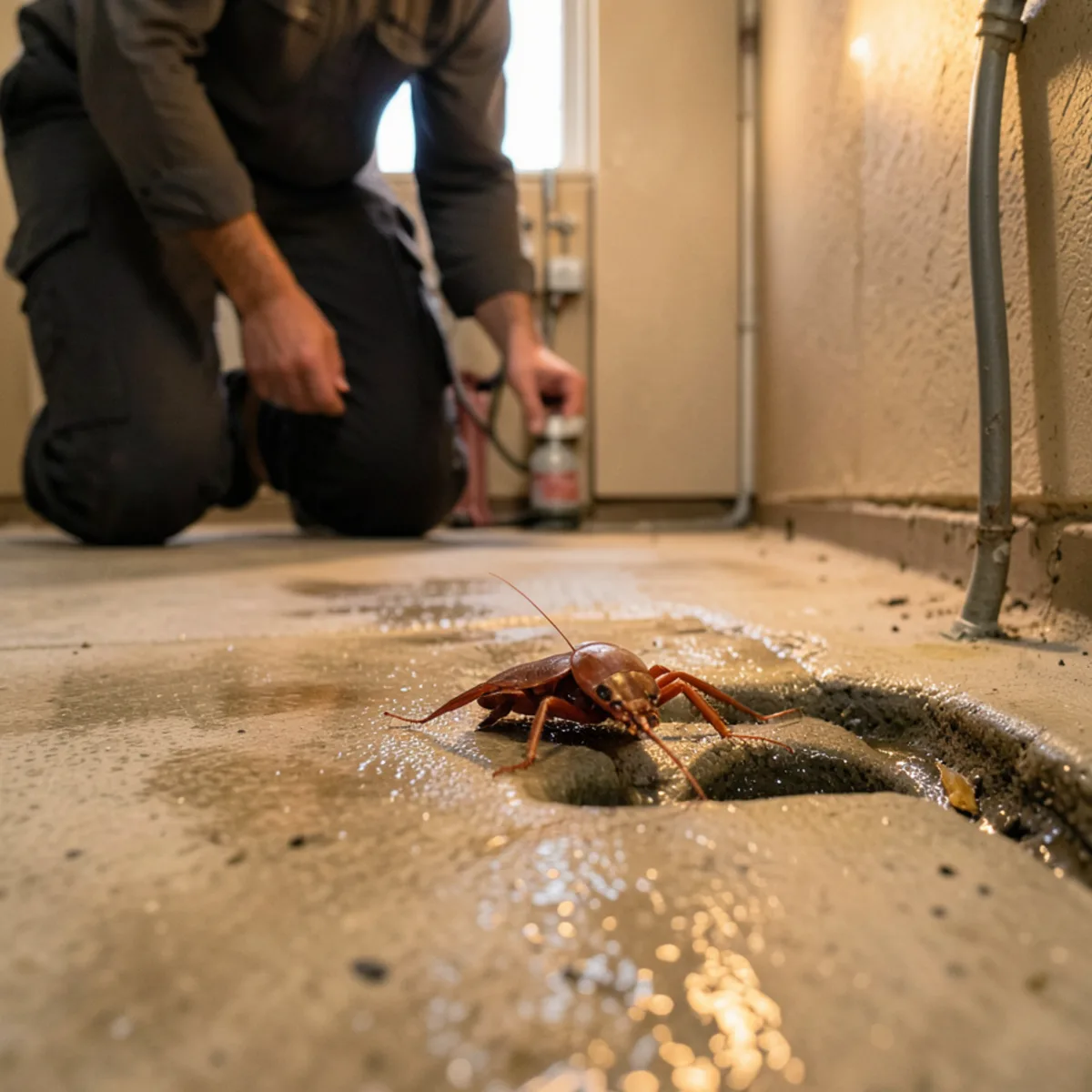
Roaches. American roaches are the large reddish ones, and they can enter through drain traps from sewer systems. Keeping water in rarely used traps and closing drains helps. Extension also notes that male roaches fly to lights on warm nights and slip through poorly sealed doors. Oriental roaches are less widespread here, but they like dark, damp places such as water meter boxes, so a wet box is worth a look from a safe angle.
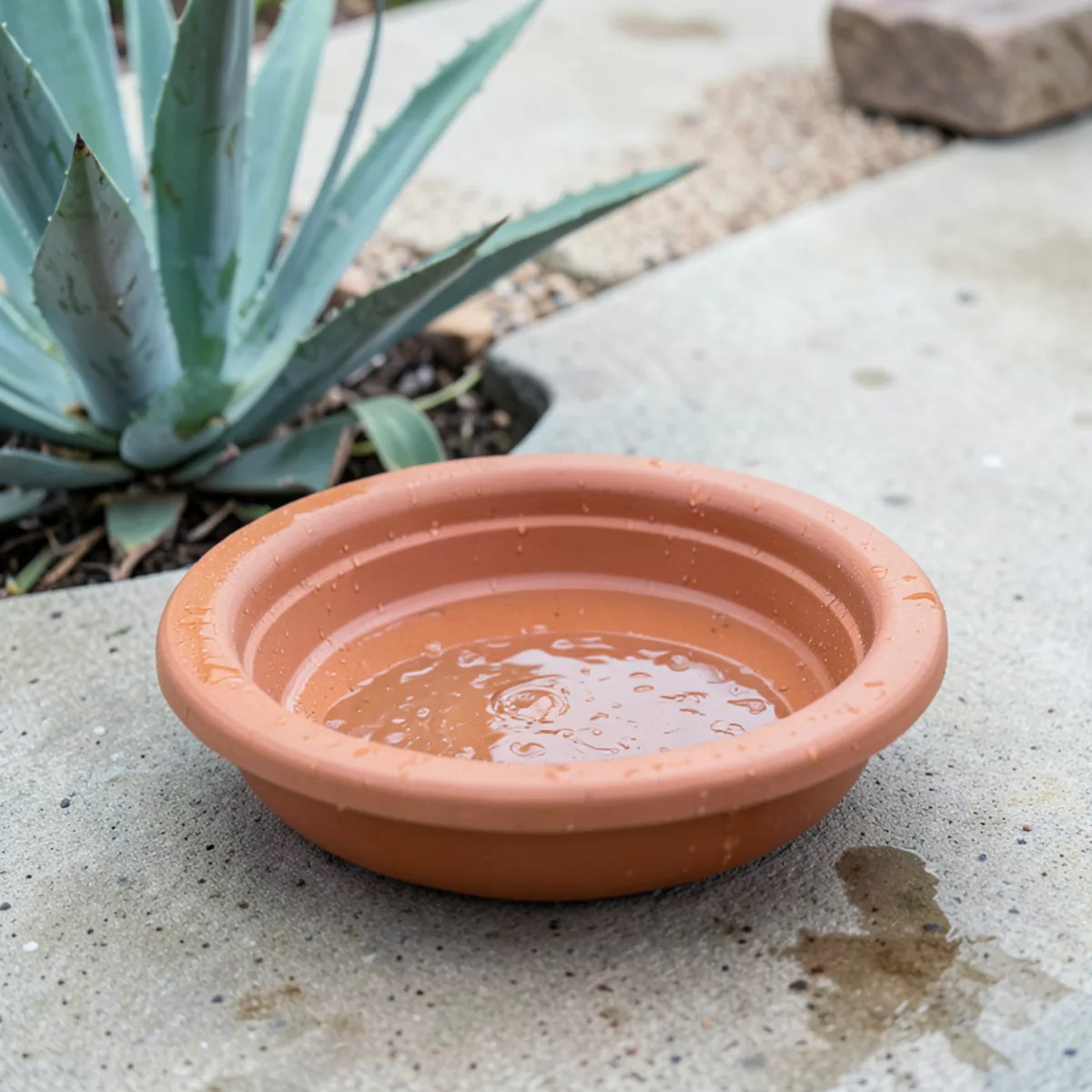
Mosquitoes. These are the delayed reaction. CDC says a Culex egg becomes an adult in 7 to 10 days. A storm on Monday can mean biting mosquitoes the following week if a saucer or clogged gutter holds water. Maricopa County's Fight the Bite program asks residents to empty even small amounts.
Winged insects and monsoon termites
Swarms of winged insects after rain are normal in the Valley, and they frighten people. Most are ants or termites on a short mating flight. Termites can swarm after monsoon storms, and the only way to know what you have is to look closely at one.
Scoop a few into a jar or sealed bag, note where they appeared, and have them identified by someone who works with them. A wing or two on a windowsill is worth recording. Do not spray a wall on a guess.
A next-morning checklist
Ten minutes after a storm saves a lot of bother later. Work through this list while the ground is still wet.
- Tip out plant saucers, buckets, toys and tarps.
- Look for puddles that last, especially near downspouts and low patio corners.
- Check that gutters and scuppers are clear.
- Pull wet leaves and debris away from door thresholds and garage seals.
- Run a little water into any drain you rarely use.
- Hang damp towels and pool clothes off the floor. Extension warns that they attract scorpions looking for moisture.
- At dusk, turn off lights you do not need and look along walls.
Big monsoon bugs that need no treatment
Not everything that appears after rain is a pest problem. University of Arizona's insect diagnostics lead lists several large arthropods that show up in monsoon season and mostly want nothing to do with you.
| What you see | What it is doing | What to do |
|---|---|---|
| Huge dark beetle at the porch light | Palo verde root borer flying at dusk. Adults do not feed. | Turn off the light |
| Long reddish-brown millipede | Wandering after rain. Harmless, but its fluid may irritate skin. | Move it with a shovel, not bare hands |
| Tarantula on the driveway | Usually a male looking for a mate. Not dangerous. | Leave it be and do not handle it |
| Green beetle on fruit | Fig beetle. Adults can eat fruit on trees and cacti. | Bag the fruit you want to keep |
Spraying the yard for these gives you nothing except a bill and fewer of the predators working for you. Save the effort for what actually moves indoors.
Getting the house ready before the first storm
The next-morning list deals with what has already happened. The better work is done in June, while the ground is dry.
- Door sweeps and garage seals. Stand inside and look for daylight.
- Weep screed. Screen it with coarse steel mesh, per Extension, and never plug it.
- Scuppers, gutters and downspouts. Clear them so roof water does not sit against the wall.
- Crickets. Extension's cricket sheet says treatments in early summer, while crickets are small, work better than late summer ones.
- Stored items against walls. Move boards, pavers and boxes before they become a dry refuge.
- Lights. Switch off or lower what you do not need for the season.
How Kai handles pests in July and August
The summer job is mostly about walls and entry points, since that is where the storm sends everything. A visit that includes the inside and the outside makes sense in this season, and that is how customers describe Kai working. He explains what he is doing and what you can change. For a monsoon, that usually means lights, door gaps and standing water.
If your home sees this every year, monthly pest control keeps someone looking at the house while the pressure is highest. A single treatment after a big storm can still help a home that rarely has trouble. Which one fits depends on the house, the yard and what you have been seeing.
One honest caution. Service lowers pressure, but a hard storm can still put a burst of insects on your walls for a few nights, because they are arriving fresh from flooded ground. Judge the season by what gets inside and by whether it fades in a few days. A short spike at the door is normal. A steady run inside is the thing to call about.
Pests in July in Arizona do not respect city lines. The same run of crickets and scorpions reaches Phoenix neighborhoods and the East Valley alike, though homes close to washes, canals and farm ground tend to feel it first.
If the last storm brought more than you can sweep up, call (209) 563-1650 and Kai will tell you honestly when he can take a look.
Sources
- University of Arizona Extension, AZ1768: Scorpions of the Desert Southwest
- University of Arizona Extension, AZ1677: Pest-proofing Your Home
- University of Arizona Extension, AZ1004: Cricket Management
- University of Arizona Extension, Backyard Gardener #200: Cockroaches
- Maricopa County, Fight the Bite
- CDC, Life Cycle of Culex Mosquitoes
- University of Arizona News: 7 Big, Colorful Critters to Try to Spot This Monsoon Season
- National Weather Service: The Monsoon, June 15 to September 30
About the author
Kai Horner owns and runs Kekoa Pest Control, a family-owned pest and weed control business based in Tempe, AZ, serving the East Valley since 2022. More about Kai