
Emergency Pest Control · By Kai Horner, owner of Kekoa Pest Control · Published · Updated
Two days is enough time to make a real dent in a roach problem, and it is not enough to end every kind. The plan below is built around that difference. If you hit a wall at any stage, emergency pest control is the fallback for homes in Tempe and Gilbert.
Sudden roach outbreak: what to do in the first hour
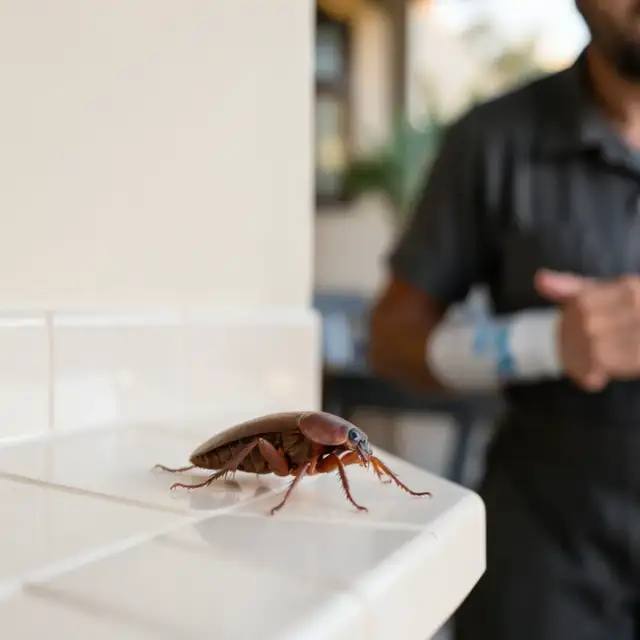
Do not spray yet. Catch one, or take a sharp photo next to a coin, because your plan depends on the answer.
| Roach | Size and look | Where it comes from | Two-day outlook |
|---|---|---|---|
| American | Largest here, reddish-brown | Drains, sewers, outdoors | Good, once drains and gaps are closed |
| Turkestan | About 1 inch, peaks in June | Outdoors, walks in | Good with door and light fixes |
| German | About 1/2 inch, two dark stripes | Lives indoors, hides in appliances | Poor without targeted baiting |
| Brown-banded | About 1/2 inch, light bands | Bedrooms, furniture, warm spots | Poor without professional help |
| Field | About 1/2 inch, like a German roach but with a black stripe between the eyes | Leaf litter, comes in during hot, dry early summer | Good, it normally lives outdoors |
Small roaches in a kitchen with tiny nymphs nearby almost always mean a German population. University of Arizona Extension calls German and brown-banded cockroaches very hard to control. That is your signal to make a phone call at hour one, not hour forty.
Hours 1 to 12: remove food, water and hiding places
Roaches stay where they can eat and drink. This is the unglamorous part, and it does the most.
- Wash every dish and leave nothing in the sink overnight.
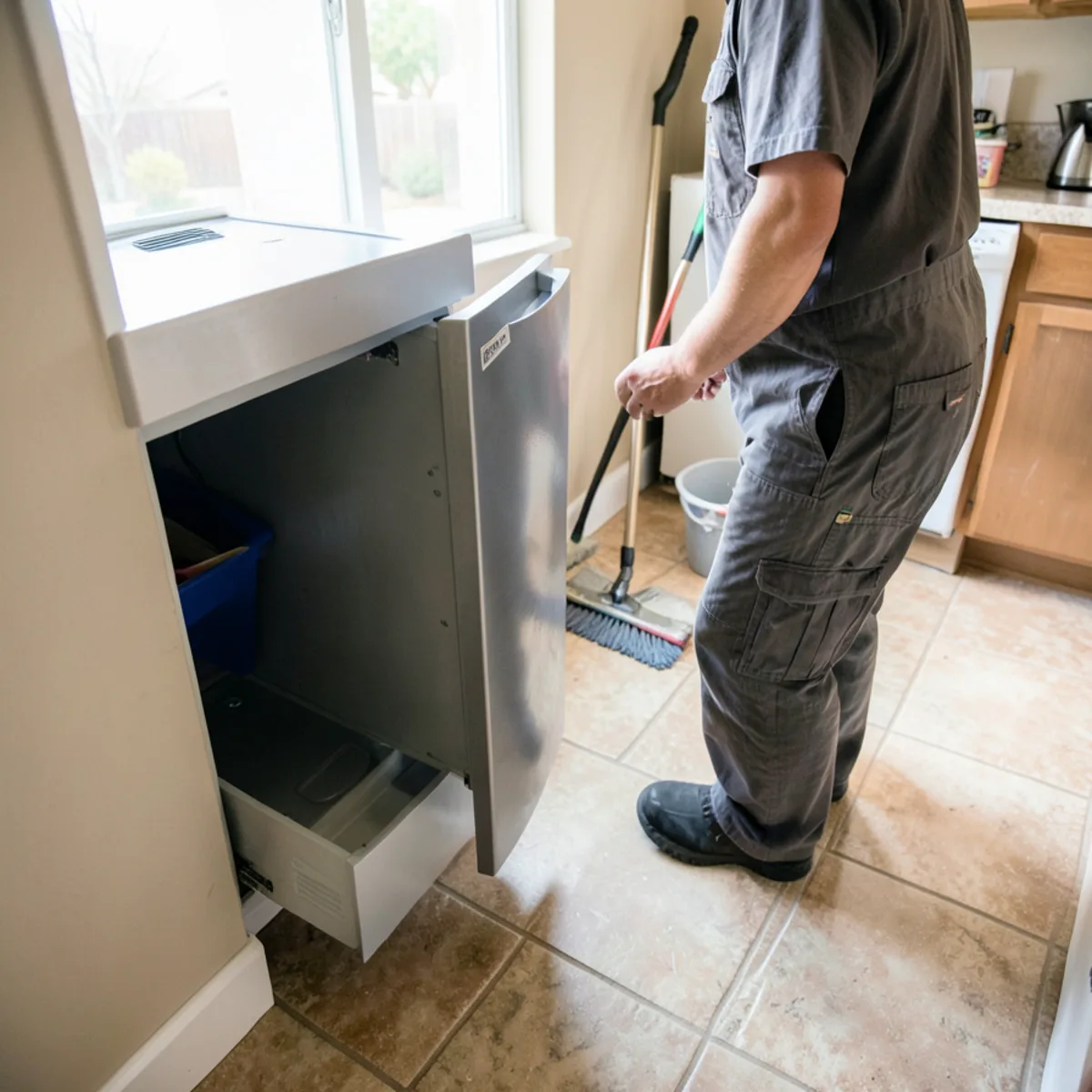
- Wipe counters, then pull the stove and fridge out and clean behind them.
- Vacuum crumbs from cabinet corners, toe kicks and the crevices beside the stove.
- Move dry pet food into airtight containers, and pick up pet bowls before bed.
- Take kitchen trash out tonight and clean the bin inside and out.
- Dry the sink and tub, and fix any drip you can reach.
Bin anything that was left open. The university says cockroaches contaminate unprotected food with excrement and salivary secretions, and that they are most often implicated in spreading Salmonella. It also says German cockroach allergens can cause breathing problems for sensitive people, and that their feces stain walls and other surfaces. Wash those marks off too, because guests will see them before they see a roach.
Hours 12 to 24: close the routes in
Once the food is gone, stop more from arriving. Which step matters most depends on the roach you found in hour one.
- Drains. American cockroaches can come up through drain traps, and the university says closing drains can help. Fit stoppers at night in tubs and floor drains, and run water in guest bathrooms that sit unused.
- Thresholds. Check door sweeps. Outdoor roaches often walk under a poorly fitting door.
- Pipe gaps. Look under sinks where pipes pass through the wall, and seal cracks of 1/8 inch or more.
- Lights. Male roaches are attracted to lights on warm nights. Turn off fixtures by the door, or swap in low-UV bulbs.
Hours 24 to 36: bait where they live
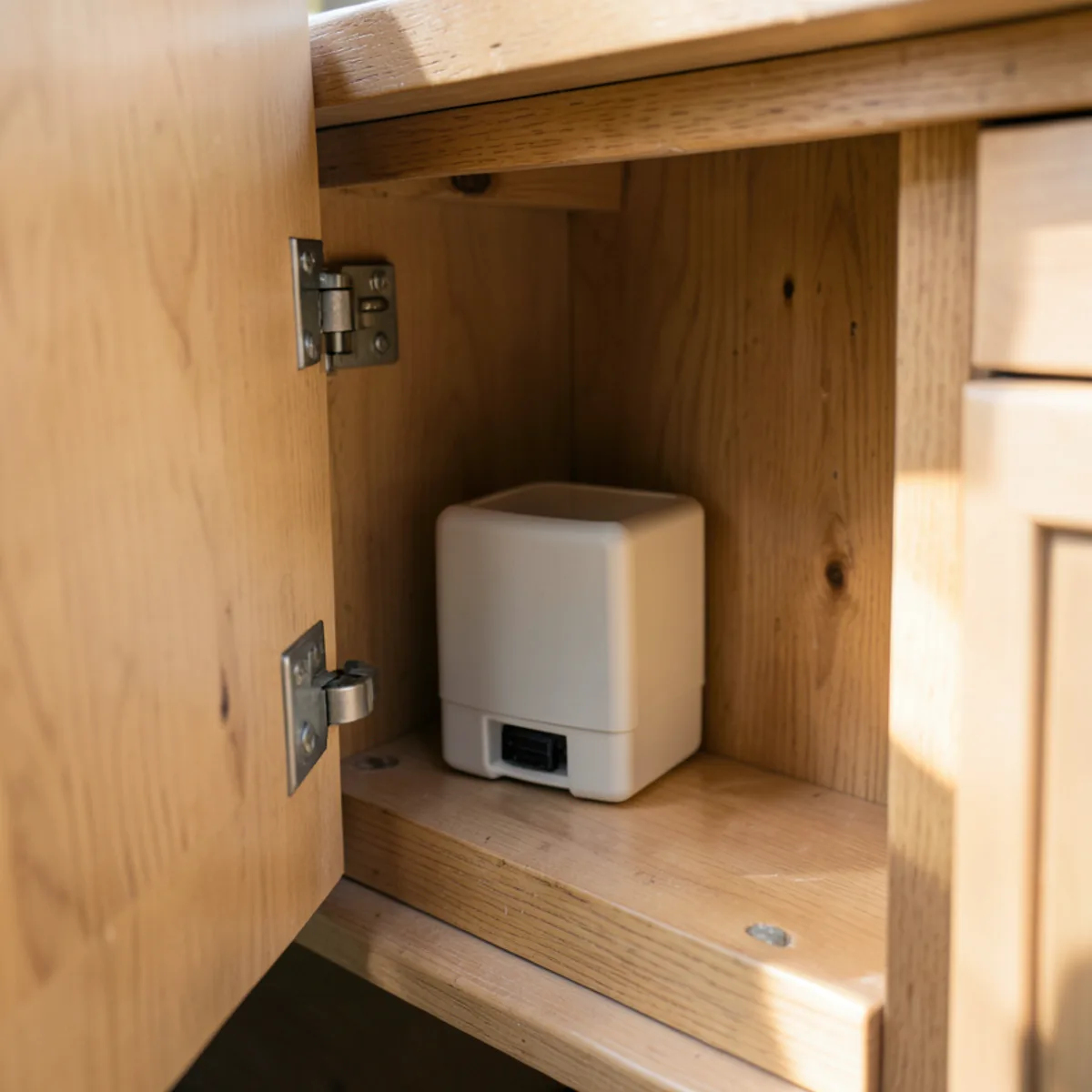
Bait goes in the hidden places, not on open counters. Put it at cabinet hinges, behind appliances and under the sink. Follow the label on where it can and cannot go. Avoid spraying near bait, since a repellent barrier keeps roaches away from the very food you want them to eat. Clean counters and floors freely, but do not scrub the bait spots.
Bait takes time. The university's guidance for persistent roaches favors bait stations, traps and well-placed products with low toxicity to non-target organisms. Sticky traps set along walls at this stage also give you a count, which is useful for the decision at hour 36.
Where to aim the flashlight
Bait only works where roaches already rest. University of Arizona Extension lists these spots:
- Cracks around, under or inside cupboards
- Places where pipes or wiring pass through a wall
- Behind loose baseboards and door or window frames
- Under tables and chairs, and in upholstered furniture
- Bathroom vanities
- Motor compartments of refrigerators and washing machines
Brown-banded roaches are a different hunt. The university's cockroach sheet places them in the warmer parts of a house: behind pictures, on bookshelves, in furniture and in closets, especially in bedrooms. Kitchen bait alone will miss them.
Hours 36 to 48: garage, patio and final checks
Guests notice the kitchen and the bathroom, but roaches often come from the garage. Finish there.
- Lift cardboard boxes off the floor, or swap them for lidded plastic bins.
- Move firewood, potted plants and leaf piles away from the walls.
- Clear the trash area and rinse the bins.
- Check sticky traps. Fewer roaches than yesterday means the plan is working. The same number or more means you need help.
- Put away dog food and close drains the night guests arrive.
One more honest point. If you saw a German population at hour one, this list will only reduce what you see. It will not finish them, and they can return within weeks.
Why 48 hours cannot finish a kitchen population
The calendar is the problem. The university's cockroach sheet says eggs sit in hardened cases and take a little over a month to hatch, most roaches need about 6 months to go from egg to adult under ideal conditions, and adults live from 3 months to almost a year while still producing egg cases. Bait can knock back what is walking around this weekend. Cases already tucked behind a cabinet can hatch weeks after your guests have gone home.
The weeks after the guests leave
Do not stop on the day the last car pulls away. A short follow-up protects the work you just did.
- Keep sticky traps in place and count them weekly for at least the next two months.
- Refresh bait as the label directs.
- Seal cracks of 1/8 inch or more with a good sealant, once bait has had time to work.
- Keep up the nightly dishes, trash and pet bowl routine.
- Treat tiny nymphs in the traps a month from now as a new hatch, and act on it.
How Kai would look at a two-day deadline
Kai's approach to a deadline starts with what can truthfully be done in the time you have. A big drain roach in a tidy house is usually a small problem with a simple fix. A kitchen full of nymphs needs more than one visit's worth of patience, and it is better to hear that up front. The Google listing says it plainly: no sales gimmick.
Customers say he explains what he is doing and how to prevent problems, treats inside and out, and leaves a list of the products used at monthly visits. Wider cockroach control work may suit you better than a single scramble. If your guests land in two days, ask about same-day pest control, but do not count on it. Call anyway, and you will get an honest answer on timing.
Guests on the way and roaches still walking the counter? Call (209) 563-1650 today.
Sources
About the author
Kai Horner owns and runs Kekoa Pest Control, a family-owned pest and weed control business based in Tempe, AZ, serving the East Valley since 2022. More about Kai