

Quarterly Pest Control in Tempe, AZ
Quarterly pest control in Tempe, AZ means a visit about every three months, and it fits a sealed-up home with few scorpion or ant sightings. Most of Kai's reviewers describe monthly service and one describes visits every two months, so call and ask him which gap your house can handle.
- 5.0★ on Google (54 reviews)
- Family owned, owner operated
- Serving since 2022
Not every house needs a stop every month, and an honest conversation about pest control in Tempe should start there. Some homes are tightly built, sit away from desert edges and rarely show a bug. A longer gap between visits is a reasonable thing to ask about for those houses. This page explains how to tell if yours is one of them, and what you give up by stretching the schedule.
Be clear on one thing first. There is no packaged quarterly plan to pick from a list. You describe the house, Kai tells you what he thinks it needs, and the two of you settle on a gap.
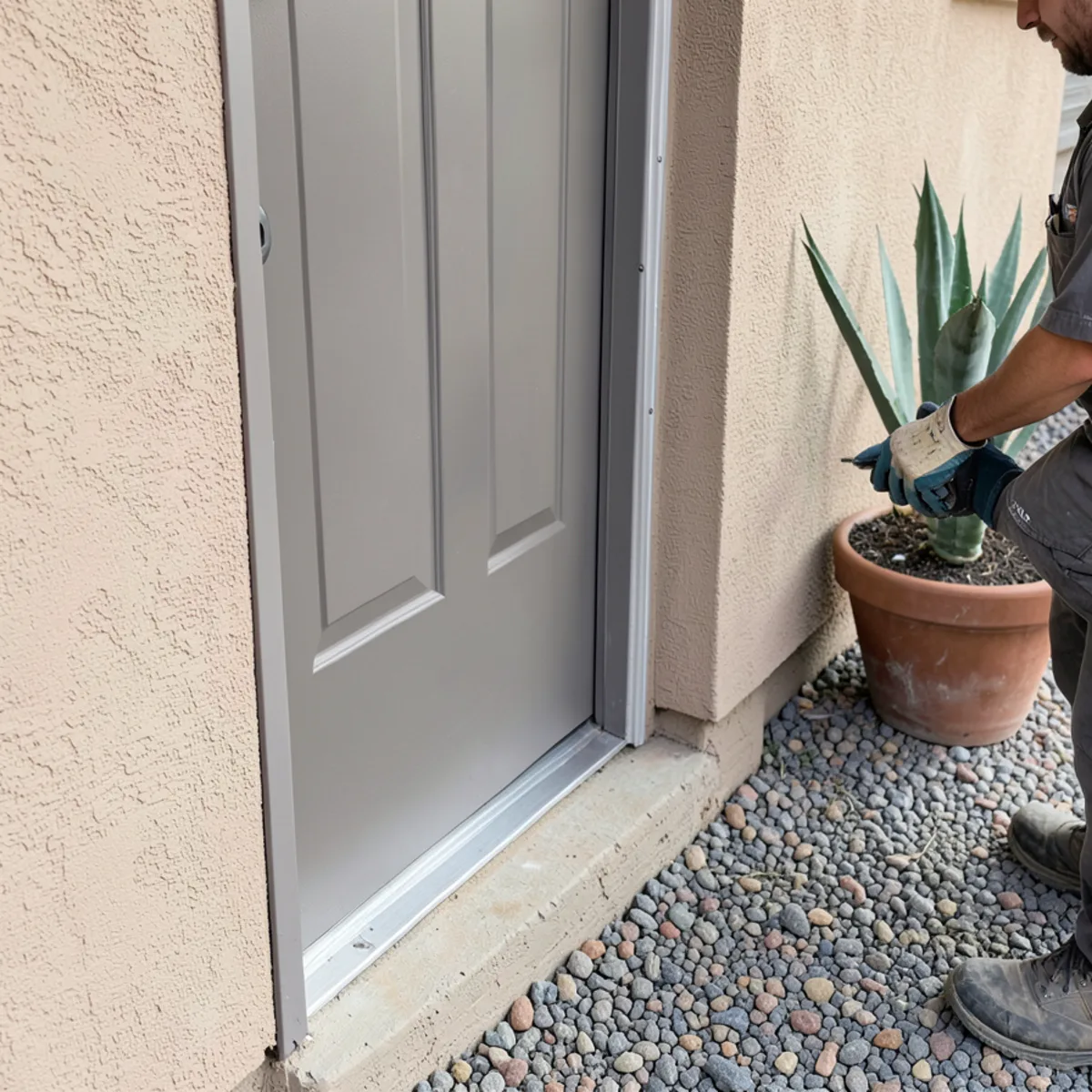
Quarterly pest control in Tempe, AZ: who it suits
A three-month gap makes the most sense when most of these are true:
- You see a bug indoors now and then, not every week
- You have not found scorpions inside, or it has been a long time since you did
- Door sweeps, weatherstripping and pipe gaps are in good shape
- Irrigation is not leaking along the foundation
- The lot does not back onto open desert, a canal bank or a long run of bare block wall
If you are checking only two or three of those, consider the shorter interval. Young children crawling on floors and a history of scorpions are the two reasons most likely to change the answer. Newly purchased homes are a different case too. Start with move-in pest control before settling on a schedule, because you do not yet know how the house behaves.
Is a visit every three months enough here?
Sometimes, and the seasons are the reason it is not a simple yes. University of Arizona Extension describes a low-desert scorpion season lasting most of the year, slower only from November through March. That leaves winter as the quiet stretch and a long warm season as the busy one.
A quarter is a long time in July. Monsoon storms stir up scorpions and ants, and heat wears down outdoor applications. If you go with longer gaps, ask Kai how to time the visits so they do not leave the middle of summer uncovered.
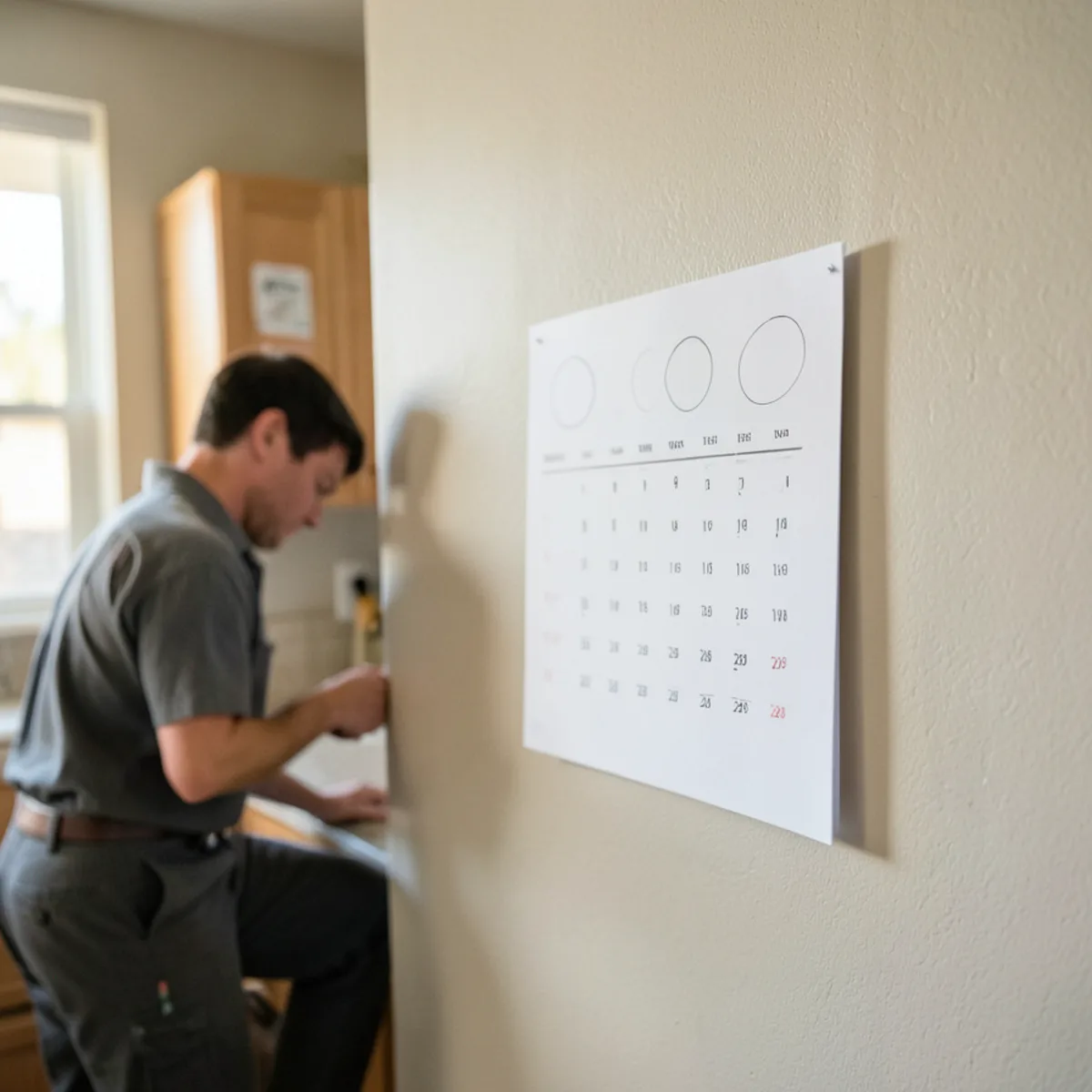
Every two months, every three, or every month
| Gap | Visits a year | Suits | Watch for |
|---|---|---|---|
| About 1 month | About 12 | Regular scorpions, roaches or ants | Higher yearly total |
| About 2 months | About 6 | Occasional activity; one reviewer uses this gap | Summer flare-ups between stops |
| About 3 months | About 4 | Rare sightings, sealed house | Long stretches with nobody checking |
If one bad week is the only reason you are calling, a one-time pest treatment may be a better starting point than any schedule.
Prefer to write? Request a quote
Calling is fastest. If you are on a job or at work, leave your details and Kai will get back to you.
What should a visit on a longer schedule include?
The work is the same general pest service, inside and out, and a long gap makes each stop count for more. Scope should reach:
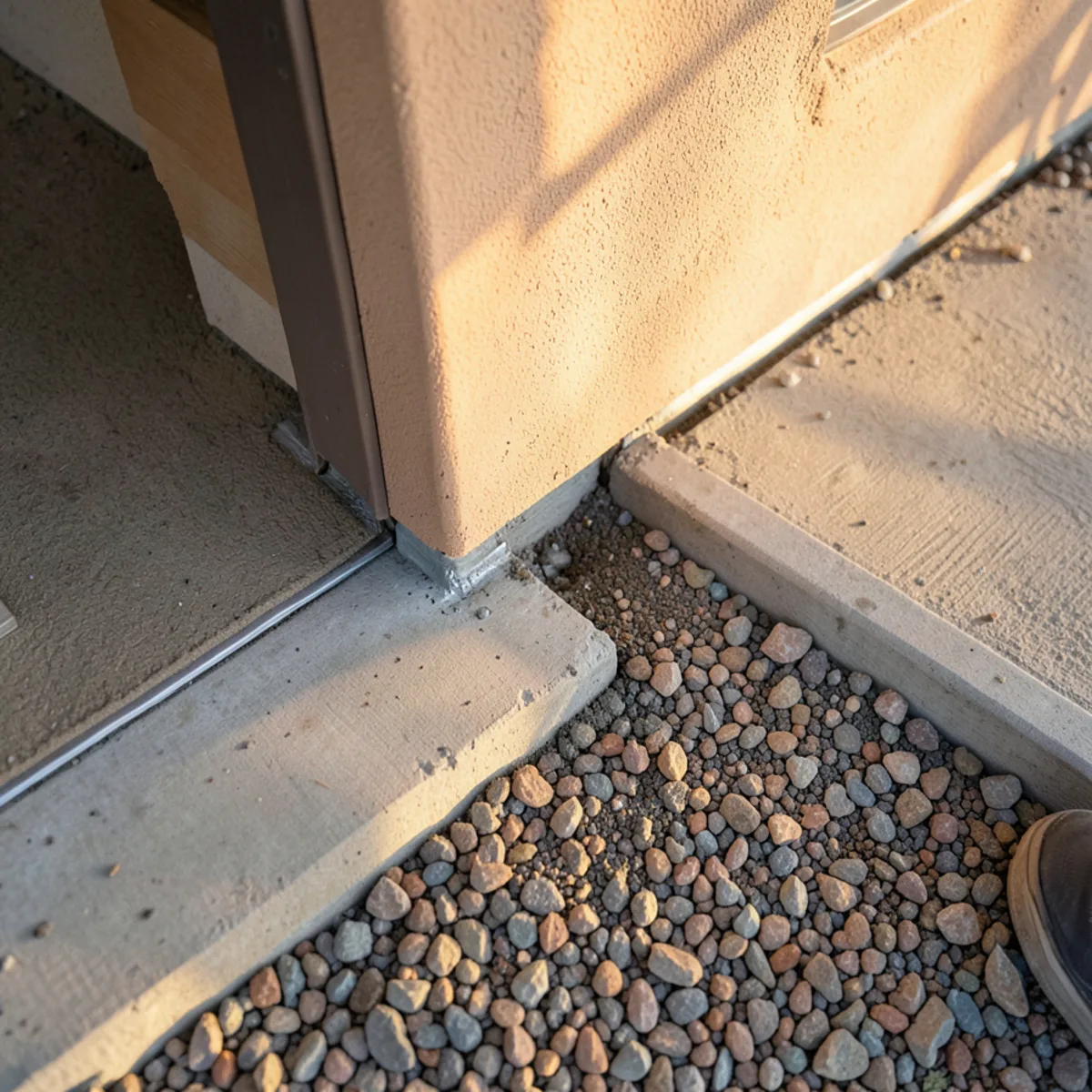
- Foundation line, door thresholds and weep screed
- Block wall bases, shaded corners and irrigation boxes
- Kitchens, baths and the garage, where activity calls for it
- Anything new since the last stop, such as a wasp nest
Expect it to go like this:
- You confirm the date, and reviewers report a reminder the day before.
- Kai asks what has shown up since the last visit, so bring your notes.
- He treats the exterior, paying attention to doors, the foundation, block walls and shaded spots.
- He treats inside where your notes or his own look at the house call for it.
- He explains what he did and what you can fix before the next stop.
- You ask for the list of chemicals used and file it with the last one.
Between visits, the homeowner carries more of the load. Sweep up spilled pet food, keep firewood and cardboard off the walls, repair leaks and check door sweeps every season.

What a quarterly schedule leaves open
A longer gap gives up a few things.
- Fewer looks at the house. A new ant trail or a wasp nest can go unseen for weeks.
- Less margin in summer. Outdoor applications face more heat and rain before the next stop.
- No reach into problems that need repeat work. German cockroaches, bed bugs and rodents do not wait for the calendar. Those need their own plan, and that conversation should happen as soon as you notice them.
Who sets the limits on a longer gap?
The schedule is yours to choose, but each application answers to the product label, and labels can limit how often a product goes down and in what weather. EPA's stewardship wording for outdoor pyrethroid products points to calm weather with no rain predicted for the next 24 hours, because rain can wash product off the treated area. A wasted stop matters more when the next one is three months off, so ask Kai how he handles a stormy monsoon forecast on your date. Ask for the product name too if you want to read those limits yourself. The Arizona Department of Agriculture's license search works the same on any schedule.
How is a longer interval priced?
There is no set plan price to quote here, because Kekoa has not published one. Ask Kai on the phone, and expect the number to turn on these factors:
- House size and how much of the lot needs treatment
- How long the block walls and foundation lines are
- Which pests are present and how heavy the activity is
- The gap you choose, since each stop may need more time when visits are further apart
Two Tempe details tend to move the number. A long run of bare block wall or a lot beside a canal bank gives Kai more ground to cover at each stop. An older house with worn seals can need a heavier first visit than one with fresh weatherstripping. Ask him to price the gap you are considering against a shorter one, so you can compare yearly figures side by side.
Why Kekoa for a lighter schedule
- You get a straight answer on frequency. The Google description says "No sales gimmick", and a quiet house should not be sold more visits than it needs.
- Kai is the one looking. With gaps this long, it helps that the owner sees your property each time and not a new face.
- He explains prevention. Reviewers say he tells them how to avoid the next issue, which carries more weight when you are the one watching the house for months.
- Punctuality comes up again and again. Customers keep mentioning on-time arrivals in 5.0-star reviews, and a reminder comes the day before.
“We’ve been so impressed with our pest control service! Kai is always professional, punctual, and extremely knowledgeable. He takes time to explain what he’s doing and makes sure we understand how to prevent future issues.”
“When we moved into our home, we had a scorpion infestation.These guys knocked it out in no time haven't seen a scorpion since! (With regular monthly service)”
From his Tempe base, Kai covers homes across the area, with stops in Scottsdale, Chandler and Guadalupe. Call (209) 563-1650 and describe what you have been seeing. He will tell you whether a longer gap makes sense or whether your house needs more attention.
5.0★ from 54 Google reviews
What customers say about quarterly pest control with Kai
“We’ve been so impressed with our pest control service! Kai is always professional, punctual, and extremely knowledgeable. He takes time to explain what he’s doing and makes sure we understand how to prevent future issues.”
“When we moved into our home, we had a scorpion infestation.These guys knocked it out in no time haven't seen a scorpion since! (With regular monthly service)”
“He responds to emergency situations immediately! And the best part of working with Kai is that he is the most genuine, friendly and competent contractor we have worked with in our 18 years in Sun Lakes!”
Quarterly Pest Control: common questions
Is quarterly service enough for a Tempe home in scorpion season?
It depends on what the house has shown you. A home with no scorpion sightings and tight doors may be fine with three-month gaps. A home backing onto block walls with regular sightings usually is not, because Extension reports bark scorpions favor those walls and stay active most of the year. If you find one indoors between visits, tell Kai and rethink the schedule.
Can I choose every two months instead of every three?
Ask Kai, because one customer already reports visits on that schedule. A two-month gap sits between a monthly stop and a quarterly one, so it can suit a house with occasional activity. A short call with Kai will cover what he thinks your home needs and whether that timing works on a calendar he manages by himself.
How do I know if my home should move from quarterly to monthly?
Move to a shorter gap when sightings keep returning before the next visit. Regular scorpions indoors, roaches in the kitchen or ants coming back within weeks are the usual signs. Keep a simple note of what you saw, where and when. That record lets Kai judge whether the interval is wrong or whether an entry point is the real problem.
What does a three-month gap risk in an Arizona summer?
The main risk is a long stretch without anyone looking at the house. Monsoon storms from June through September move scorpions, crickets and ants, and summer heat and sun shorten the working life of outdoor applications. Timing visits around the warm months helps. So do sealing gaps and fixing irrigation leaks, which matter more when treatment is less frequent.
Will I still get a list of what was used on a quarterly visit?
Ask for it when you book. A Google reviewer describes getting a chemical list at her monthly visits, and it is a fair request on any schedule. With longer gaps the list matters more, since three months is a long time to remember which product went down where around your Tempe home.
Where we offer this
- TempeNovember through March is the slow stretch for bark scorpions here, so a longer gap is easiest to justify then.
- ScottsdaleOld Town condos sit far from the preserve edge and may suit a longer gap better than north-end lots.
- ChandlerA median build year near 1997 means many homes have younger seals than Tempe's older stock.
- GilbertThe population more than doubled after 2000, so many houses are young enough to ask about a longer gap.
- GuadalupeHomes sit close together here, so check what the neighbors are seeing before you stretch the schedule.
- MesaOrchard-edge lots face roof rat season from November through May, so a winter stop still earns its place.
- Queen CreekEarth moved for new homes can stir up scorpions, so young subdivisions may not be ready for three-month gaps.
- Sun LakesOn-site homes date from late 1976 onward, so check door seals before settling on a longer interval.
- Fountain HillsAshbrook and Colony washes flood in rain, so time any longer gap around the storm season.
Talk to Kai about quarterly pest control
Call first. You will reach the owner, not a call center.
Kekoa Pest Control, 2407 E Wesleyan Dr, Tempe, AZ 85282, (209) 563-1650
- 5.0★ on Google (54 reviews)
- Family owned, owner operated
- Serving since 2022