
Pest Control Services · By Kai Horner, owner of Kekoa Pest Control · Published · Updated
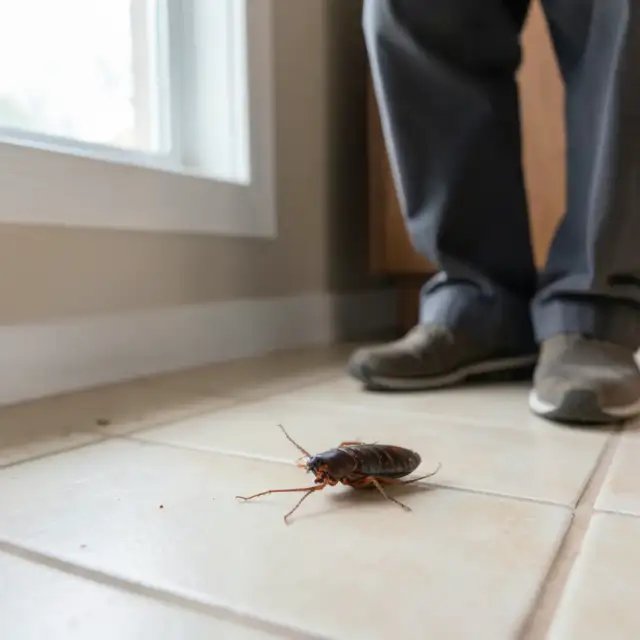
A treated home does not go quiet overnight. If you booked pest control in Tempe and watched a roach cross the floor two days later, that one roach tells you very little. A pattern tells you much more. Sort what you see into three groups: expected, worth watching, or worth a call.
Why you may see more bugs after treatment
The first days after a visit can look worse than the day before it. There are four ordinary reasons.
- Flushing. Insects in wall voids and behind appliances move when they meet a treated surface. Bugs you never saw are suddenly in the open, often slow and unsteady.
- Slow baits. University of Arizona Extension notes that ants carry toxic bait back to the nest, and that sprays can interrupt the job. A trail may keep running while the bait travels.
- Eggs. Cockroach eggs sit in a hardened case and hatch in a little over a month, according to Extension. A small second wave weeks later is biology, not failure.
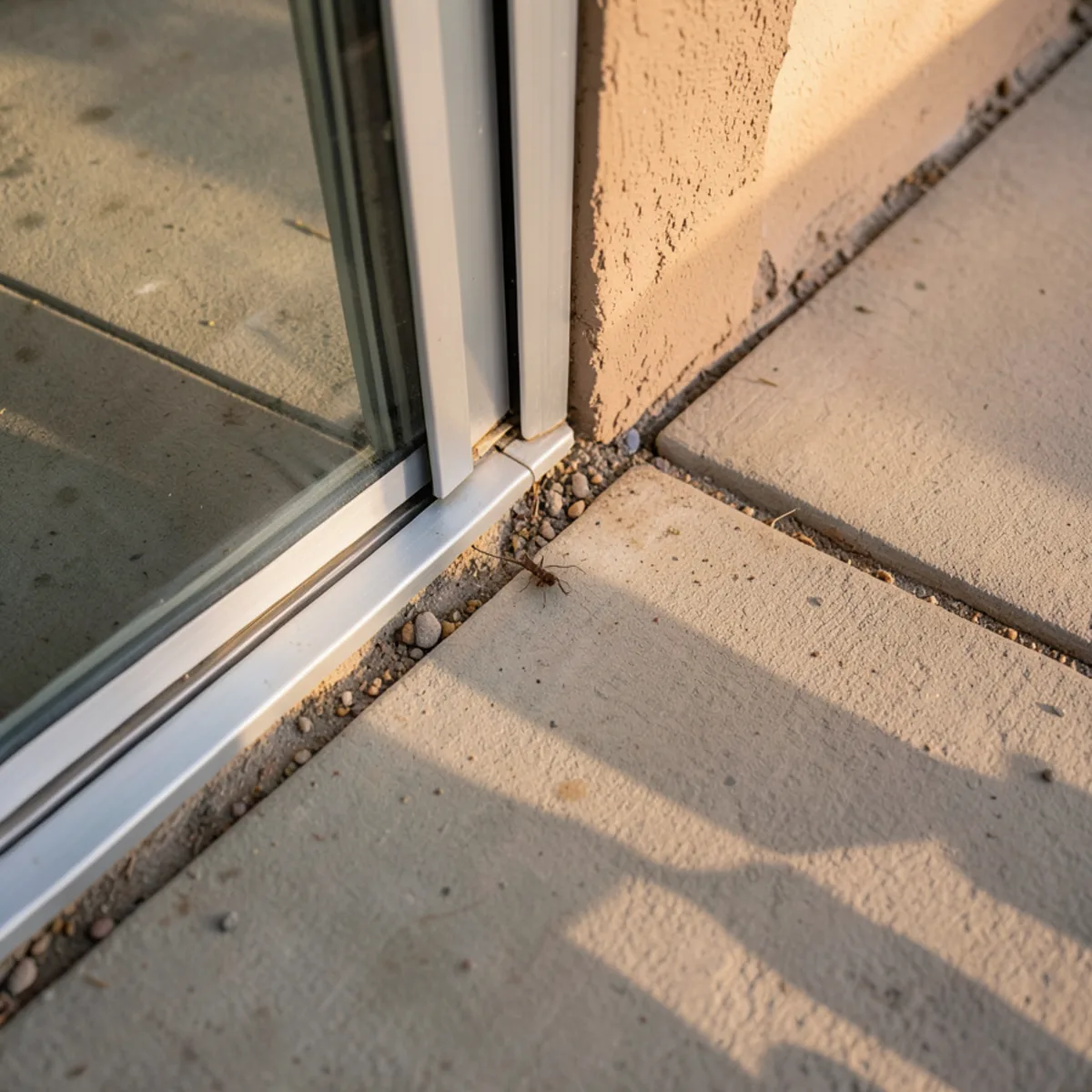
- New arrivals. Crickets, scorpions and outdoor roaches keep walking in from the yard, especially on warm nights and after rain.
How long does pest control take to work?
It depends on the pest and on how it behaves. The table below is a rule of thumb from the trade, not a promise. Heavy infestations and cluttered kitchens run longer.
| Pest | What is normal after a visit | What deserves a call |
|---|---|---|
| Ants | Trails thin out over one to two weeks | A strong trail in the same room after two weeks |
| German roaches | Numbers fall over several weeks, with some small nymphs | Healthy adults in the kitchen after three or four weeks |
| Crickets | Stragglers near doors and lights, mostly in late summer | Chirping from inside walls for weeks |
| Spiders | Dead ones and old webs for a while | New black widow webs near doors or storage |
| Scorpions | An occasional one near the perimeter in warm months | Any regular indoor sighting, or a sighting near a child's room |
Scorpions sit in their own row for a reason. University of Arizona Extension is blunt that pesticide on its own will not manage them, and it ranks pest-proofing as the way to cut contact. Spray by itself will not make that row empty.
Bed bugs run on a different clock
Bed bugs do not fit the table, so judge them separately. EPA says many pesticides will not kill the eggs, so treatment has to be repeated after they hatch. Its list of reasons treatments fail includes not following up in the right timeframe. EPA also tells people to look for evidence every few days after the first round. New bugs at that point mean some were missed or eggs have hatched, and neither is proof the job failed. Ask at the start how follow-up on bed bug control is planned.
Seeing bugs after pest control: when it is not normal
Some signs point to a problem that time alone will not fix. Call if you notice any of these.
- The same indoor spot keeps producing live insects after the window in the table.
- Bugs appear in a new part of the house, such as bedrooms, when they were only in the kitchen before.
- You see bites on people, or small dark spots along mattress seams. Bed bugs need their own plan.
- Scratching in the attic or walls at night. Rodents are a different job from insects.
- Bees going in and out of a crack in a wall or a meter box. Leave those alone and keep people away.
Pest control not working can also mean the source was never touched. A leaking drain, a stack of cardboard in the garage or a door with daylight under it will keep feeding the problem whatever goes on the baseboards.
What not to do in the first two weeks
Well-meant cleanup can get in the way of a treatment. A short list of things to leave alone:
- Do not spray over bait. Extension says sprays can interrupt ants carrying bait to the nest, so a store-bought can on the trail may protect the colony.
- Do not pile on more product. EPA is direct that using more than the label recommends will not do a better job.
- Do not leave out a better meal. Bait has to compete with crumbs, grease and pet food, so keep those cleaned up.
- Do not move a bait station to a tidier spot. It was placed on a route for a reason.
- Do not ignore re-entry times. Follow what the label or the applicator told you about staying out of treated rooms.
If you are unsure what went down, ask. Monthly customers report that Kai leaves a list of the chemicals used, and that list has the names you need to read the labels yourself.
What to write down before you call back
A vague "still seeing bugs" is hard to act on. Five small facts make the conversation short and useful.
- What the insect looks like, with a photo if you can get one.
- The room and the exact spot.
- The time of day, and how many you saw.
- Whether it was alive and moving normally.
- What changed recently: rain, new irrigation timing, deliveries, a new pet or a neighbor doing yard work.
EPA's consumer guide makes the same general point. Hiring a company does not end your part of the job. You evaluate the results and keep asking questions until the pests are under control.
EPA's test is a useful one. Allow time for the method to work, then compare the house now with the house before treatment, and ask whether there is a clear reduction. Fewer sightings in the same spot is progress, even if the number is not zero.
How Kai looks at a callback
More product is rarely the first answer. The useful question is why the pest is still there, so the thinking runs in this order: is it the same pest, is it coming from the same place, and has something changed at the house. Reviewers mention Kai walking them through the work and how to stop a repeat, which is what you want here. You should finish the conversation knowing why the bugs are still showing up.
Timing matters as well. A home on monthly pest control has a visit coming soon anyway, so a mild sighting can often be raised then. A home treated once has no such checkpoint, so the call is worth making sooner. Before any first visit, it is fair to ask how follow-up calls are handled. Kai will tell you straight on the phone.
Be fair about what treatment can do. A house in the desert is never sealed off from the outdoors, so a cricket at the door in August is not the same as a roach in the kitchen. Indoor breeders and scorpions in living spaces deserve the attention. A stray insect that walked in from the yard and died near a door usually does not. Also check the kind of roach before assuming the treatment missed. Extension says brown-banded roaches favor warm rooms, behind pictures and in closets, so the kitchen plan may not reach them.
The timeline above holds across the East Valley, from Tempe out to Gilbert. Summer heat and irrigated yards push pests toward walls in much the same way in each place, and monsoon storms can bring a sudden burst of activity after a quiet stretch.
If the bugs have outlasted the window, call (209) 563-1650 with what you wrote down and Kai will tell you honestly what he thinks is going on.
Sources
- University of Arizona Extension, Backyard Gardener #200: Cockroaches
- University of Arizona Extension, Backyard Gardener: Ants
- University of Arizona Extension, AZ1768: Scorpions of the Desert Southwest
- EPA, Citizen's Guide to Pest Control and Pesticide Safety
- EPA, When Treatments Don't Work (bed bugs)
- EPA, Do-it-yourself Bed Bug Control
About the author
Kai Horner owns and runs Kekoa Pest Control, a family-owned pest and weed control business based in Tempe, AZ, serving the East Valley since 2022. More about Kai