
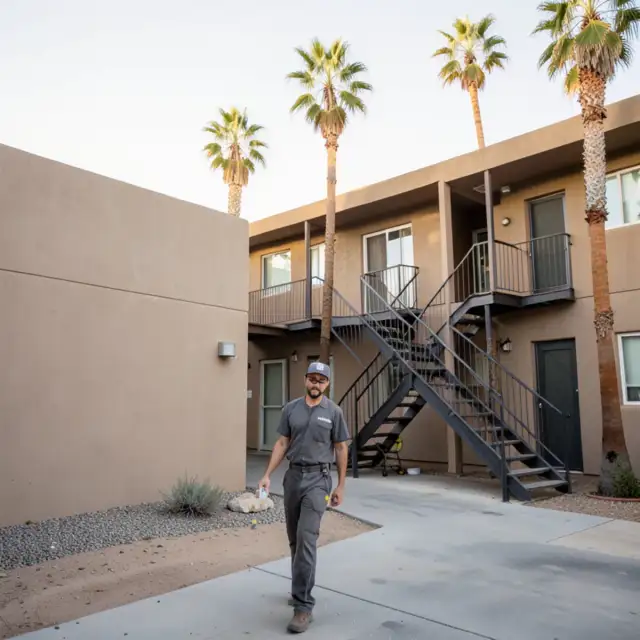
Apartment & Multifamily Pest Control in Tempe, AZ
Apartment pest control in Tempe, AZ works best when the owner, the manager and the resident all know who does what. Kai treats roaches, bed bugs and general pests, and the scope for a rental depends on the building, so call and ask what fits your property.
- 5.0★ on Google (54 reviews)
- Family owned, owner operated
- Serving since 2022
Pests do not stop at a lease line. A roach problem in one kitchen is usually coming through a shared wall, and a bed bug problem in one bedroom can reach the unit next door. That is why rental work needs more planning than ordinary pest control in Tempe. Someone has to decide which units get treated, who pays, who tells the residents and what paperwork goes in the file. Kai can talk that through with an owner, a manager or a tenant, and he will tell you honestly if a property is larger than one person can cover.
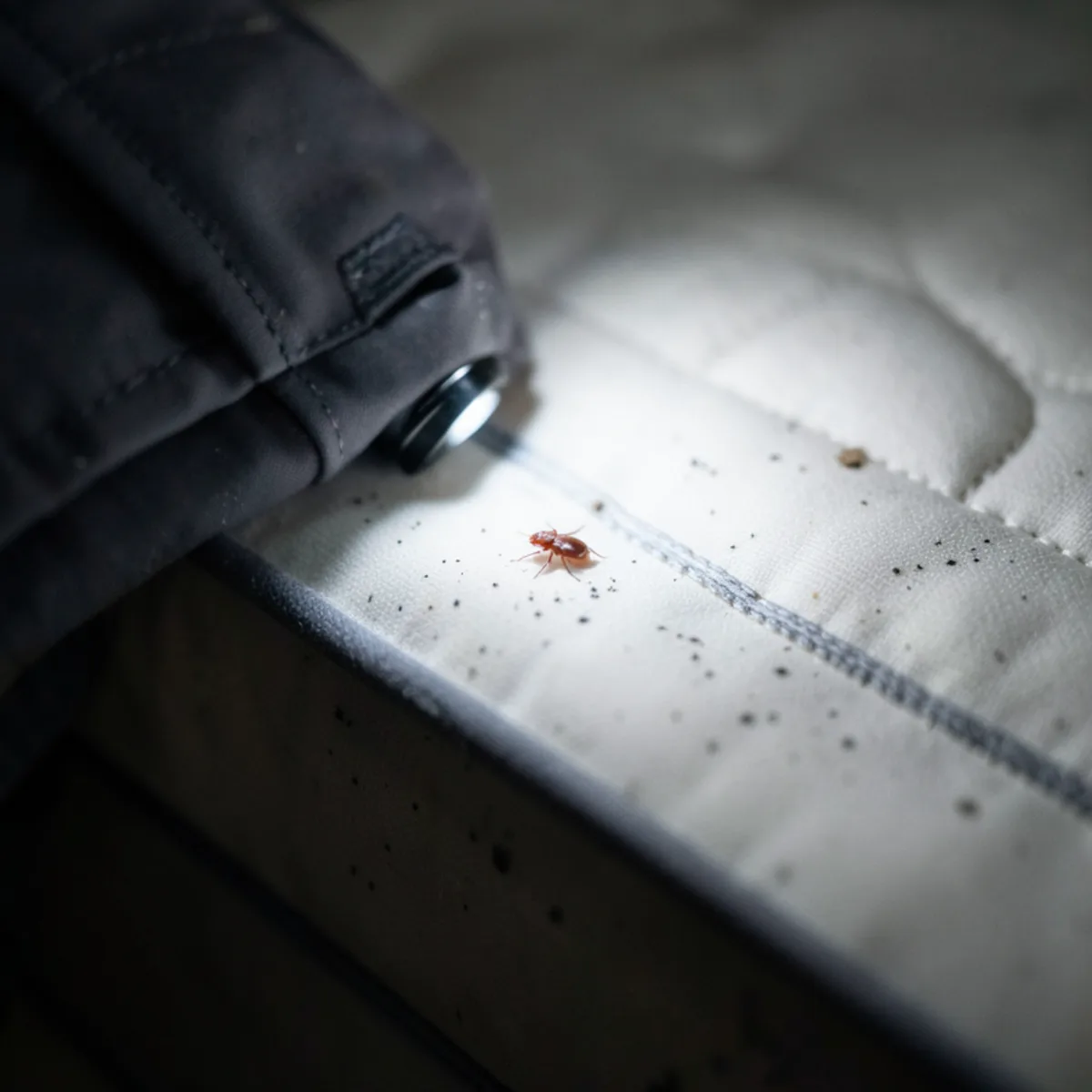
What does Arizona law ask of landlords and tenants?
Three sections of the Arizona Residential Landlord and Tenant Act come up most. This is a plain summary, not legal advice.
- A.R.S. 33-1324 requires a landlord to keep the premises fit and habitable and keep common areas clean. It does not mention pests directly.
- A.R.S. 33-1319 deals with bed bugs. Landlords must give tenants educational material and must not lease a unit they know has a current infestation. Tenants must not knowingly bring in infested items and must give written or electronic notice when they know bed bugs are present. The section does not apply to single-family residences.
- A.R.S. 33-1343 requires at least two days' notice before a landlord enters, apart from emergencies or where notice is impracticable. A tenant's request for service counts as permission for that visit.
County rules apply as well. Maricopa County's Environmental Health Code expects owners and occupants alike to take reasonable steps against rodents, roaches and bed bugs.
Apartment pest control in Tempe, AZ: what gets covered
Scope should match the property. Here is what can be part of the conversation:
- Single-unit calls. A resident reports ants, roaches, spiders or scorpions.
- Bed bug work. Inspection and treatment, with neighboring units checked where needed.
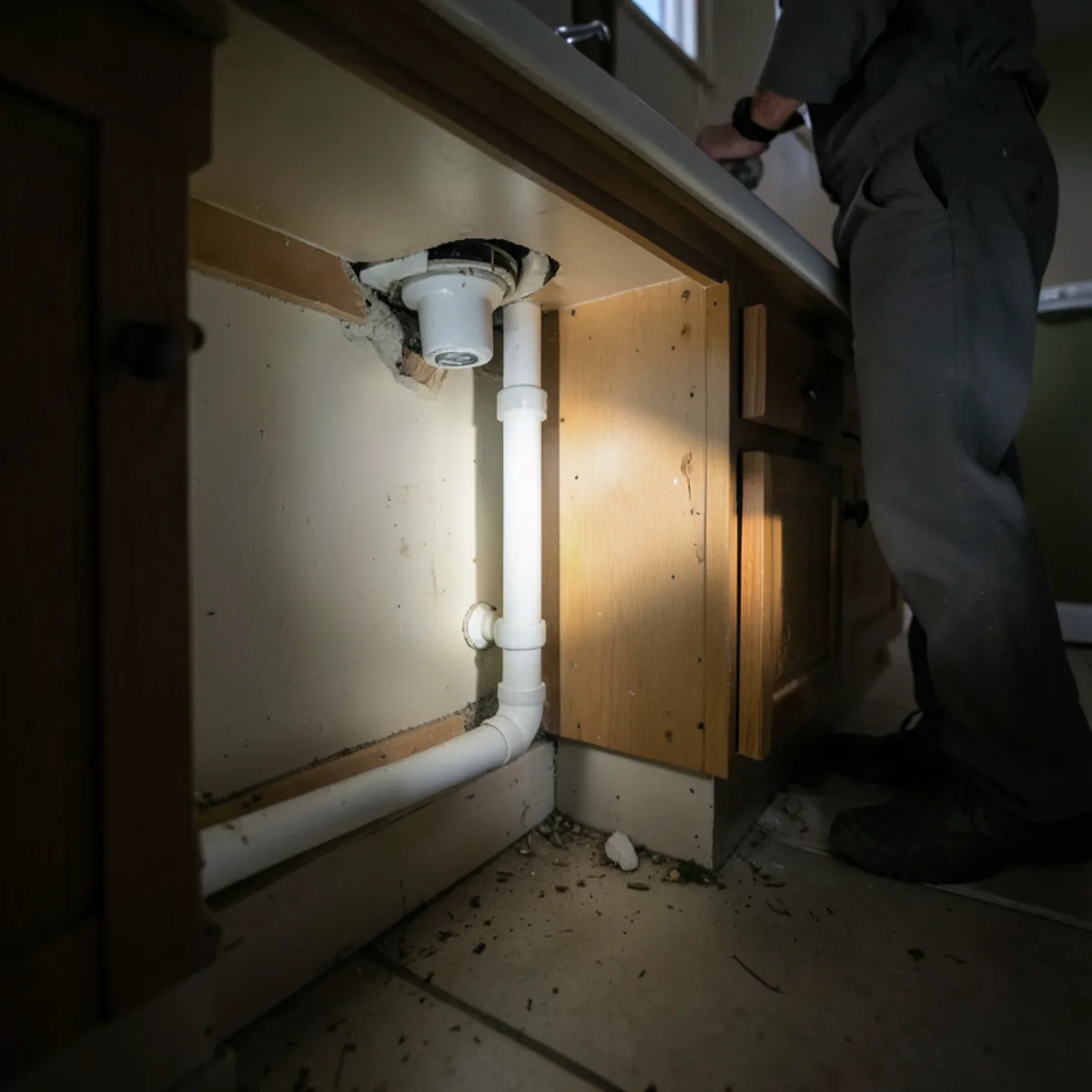
- German cockroach work. Kitchens and baths in the affected unit and those sharing plumbing walls.
- Unit turns. A look at the vacant unit between residents, before new flooring or furniture goes in.
- Common areas. Laundry rooms, trash enclosures, mail areas and stairwells.
- Recurring exterior service. A monthly pest control schedule can keep perimeter work steady for a small complex.
Larger communities with shared amenities may read more like a homeowners association plan for the common areas. Rodents and scorpions usually start outside, so the exterior should be part of the plan. Agree in advance what happens with a locked door or an unprepared unit, since either can hold up the day.
Student housing near ASU has its own rhythm
Tempe rentals near campus turn over in bunches around the start of the fall semester, and that shapes pest risk. Used couches, shared bedding and borrowed furniture can bring bed bugs along. Roommates may each assume someone else reported the problem. New tenants may not know what to look for. Turnover reaches past campus too: renters occupy about 45,000 of Tempe's roughly 78,000 occupied units, and each move carries furniture from one address to the next.
If you own student rentals, get ahead of it. Book inspection time ahead of move-out, walk each unit as it empties and give new residents the bed bug material required by law on day one. Ask residents to report bites or spotting early. A single unit is far easier to handle than a whole hallway.
Prefer to write? Request a quote
Calling is fastest. If you are on a job or at work, leave your details and Kai will get back to you.
How does a multi-unit job get scheduled?
- Phone the problem in. Tell Kai the address, unit numbers, the pest and when it started.
- Agree on scope. Decide which units to inspect and treat. Adjacent units often belong on the list for roaches and bed bugs.
- Set a date, then give notice. Allow at least the two days the statute asks for, or use the tenant's service request where it applies.
- Send prep instructions. Each resident should know what to clear, where pets go and how long to stay out.
- Treat. Kai works unit by unit, inside and out where it is called for.
- Close the loop. Residents and the manager hear what was found and what comes next, including any return trip.
Kai is available on weekdays until 5 and on Saturday mornings, so plan notices around those windows.
What records should a manager keep?
Keep a file for each unit. It protects owners and residents if a dispute comes up. Include:
- Tenant pest reports with dates
- Copies of notices sent to residents
- The list of products used in each unit, which residents and their vets or doctors may ask to see
- Bed bug educational materials and proof of delivery
- Inspection results at each turnover
What affects the price for a rental?
No per-unit rate is posted here. Ask Kai on the phone, and have this information ready:
- How many units are affected and how many need inspection
- Which pest it is, as bed bugs and German cockroaches usually need return trips
- How well residents have prepared each unit
- Whether common areas and exterior work are part of it
- Whether you want a one-off job or a set schedule
Tempe rentals add a few variables. An older walk-up with shared plumbing walls can pull more units into scope than a newer building, and a unit turn on a tight date leaves less room for return trips. Fall move-ins near ASU can stack several units into one stretch, and one person's calendar has limits, so book early. Ask Kai whether checks on neighboring units are priced per unit or as a block.
Why Kekoa for rental properties
- One contact. Managers deal directly with the owner, who is also the person doing the work.
- Bed bugs and roaches are core services. Both are part of what Kai treats, along with general pests inside and out.
- Reliable arrival. Reviewers report a reminder the day before and on-time visits, which helps when residents have been given notice of a time.
- Rates, as one customer tells it. A long-time reviewer wrote that the rates were not raised on them. Ask what to expect for your property.
- Prevention advice to pass along. Reviewers say he explains how to avoid the next problem, which a manager can put in the next resident notice.
“We’ve been so impressed with our pest control service! Kai is always professional, punctual, and extremely knowledgeable. He takes time to explain what he’s doing and makes sure we understand how to prevent future issues.”
“He responds to emergency situations immediately! And the best part of working with Kai is that he is the most genuine, friendly and competent contractor we have worked with in our 18 years in Sun Lakes!”
Kai covers rentals in Tempe and nearby communities, including Guadalupe, Mesa and Phoenix. Before hiring any company for a building, look up their license on the Arizona Department of Agriculture search page. Call (209) 563-1650 with the address and the unit numbers.
5.0★ from 54 Google reviews
What customers say about apartment & multifamily pest control with Kai
“We’ve been so impressed with our pest control service! Kai is always professional, punctual, and extremely knowledgeable. He takes time to explain what he’s doing and makes sure we understand how to prevent future issues.”
“He responds to emergency situations immediately! And the best part of working with Kai is that he is the most genuine, friendly and competent contractor we have worked with in our 18 years in Sun Lakes!”
“He leaves a list of all chemicals he has used during his monthly visits. I have used big companies in the past and had to deal with no shows, turnover, price increases, etc. With Kai, you get Kai as he is a one man show.”
Apartment & Multifamily Pest Control: common questions
Who pays for pest control in a Tempe rental?
The lease usually settles it, within Arizona law. A.R.S. 33-1324 requires landlords to keep rentals fit and habitable, though it does not mention pests by name. Many leases assign routine service to the owner and hold tenants to cleanliness. Bed bugs have their own section, A.R.S. 33-1319. This is general information, so ask a lawyer about a dispute.
Do you treat single units or the whole building?
Both can be discussed, and it depends on the pest. Ants or a one-off call may need only one unit. German cockroaches and bed bugs travel, so units on each side, above and below should be checked. In Tempe's older walk-up buildings, shared plumbing walls make that step more important. Kai will tell you what scope he thinks the problem needs.
How do you handle bed bugs between student tenants?
Check the unit before the next tenant moves in, because A.R.S. 33-1319 bars landlords from leasing a unit they know has a current infestation. Inspect mattresses, bed frames, couches and baseboards. Treatment usually takes more than one trip, so plan early around ASU lease turnover. Leave time between the move-out and move-in, and tell Kai about any furniture left behind.
Can visits be scheduled around resident notice requirements?
Yes, build the notice into the booking. A.R.S. 33-1343 requires a landlord to give at least two days' notice before entry, except in an emergency or where that is impracticable. A tenant's own service request counts as permission for that visit. Book Kai first, then send notices with the date and a time window, plus prep steps for each unit.
What should a tenant do first when they find bed bugs?
Tell the landlord in writing or electronically. A.R.S. 33-1319 requires tenants to give that notice when they know bed bugs are present, and it also bars knowingly bringing infested items into a unit. Leave your furniture in place, since moving it can spread them to neighbors. Take photos, and let the manager arrange the inspection.
Where we offer this
- TempeRenters occupy about 45,000 of roughly 78,000 occupied units, with student turnover near ASU each fall.
- GuadalupeIn a town under one square mile, a rental roach problem can reach the next home quickly, so report it in writing.
- MesaOlder rentals near the old core have aging plumbing that suits cockroaches and mice.
- PhoenixSmall complexes near Arcadia citrus should keep the exterior in scope, since roof rats start outside.
- ChandlerIrrigated strips around complexes can pull crickets toward ground-floor doors in monsoon season.
- GilbertHOA rules can bind rented homes here, so owners should check them before exterior work.
- ScottsdaleOld Town rentals with shared walls rarely keep a roach problem to one unit.
- San Tan ValleyTract-home rentals are single-family, and the bed bug section of A.R.S. 33-1319 does not apply to those.
Talk to Kai about apartment & multifamily pest control
Call first. You will reach the owner, not a call center.
Kekoa Pest Control, 2407 E Wesleyan Dr, Tempe, AZ 85282, (209) 563-1650
- 5.0★ on Google (54 reviews)
- Family owned, owner operated
- Serving since 2022