
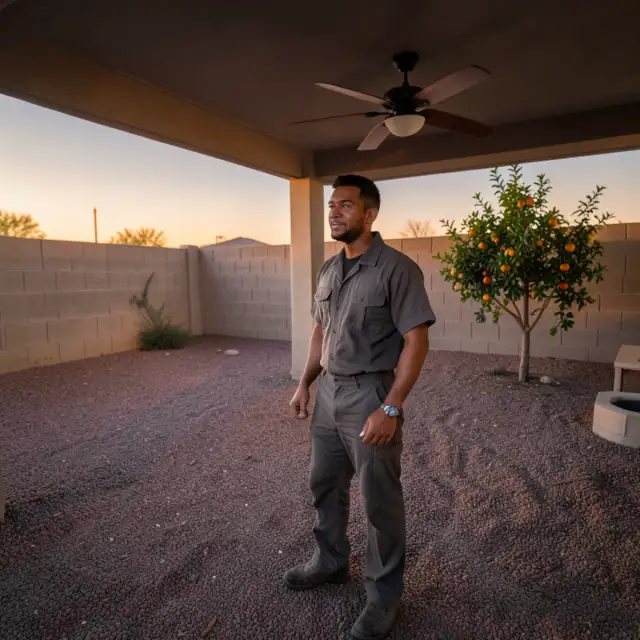
Mosquito Control in Tempe, AZ
Mosquito control in Tempe, AZ comes down to water. Maricopa County says anything holding water for more than five days can grow mosquitoes, so the job starts with finding those sources in your yard. What a visit can cover varies by yard, so ring first and ask Kai if yours is a job he would accept.
- 5.0★ on Google (54 reviews)
- Family owned, owner operated
- Serving since 2022
Mosquitoes are a yard problem before they are a bite problem. This is one part of biting pest control, and it works differently from indoor pests: the goal is to find the water, then decide whether anything else makes sense. If the bites are happening in bed and not outdoors, look at bed bug control instead.
Two mosquitoes behind most Valley bites
Maricopa County Environmental Services counts at least 12 species here, but two groups matter most.
Aedes aegypti has black and white stripes and likes small containers. It bites by day, in the hours after sunrise and before sunset, and at night in well lit areas. It does not fly far. The county says that if you are getting bitten, the standing water is probably in your own yard. Its eggs can last for years on the side of a container.
Culex is the most common type in our cities. It bites at dawn and dusk, favors pools, ponds and gutters, and can travel from a few blocks up to 10 miles for a meal. That is why a neighbor's neglected pool can reach you.
So timing is a clue. Afternoon bites on a shaded patio point to something close. Bites at dusk could be coming from farther away.
West Nile mosquito control and what the county already does
Environmental Services runs year-round mosquito surveillance, with routine traps set every week and extra traps in response to complaints. Culex are tested for West Nile and St. Louis encephalitis viruses. Aedes aegypti are tested for chikungunya, dengue and Zika.
What that means for you:
- You can report a mosquito problem or a green pool through the county's complaint portal.
- You can sign up for the Fogging Notification List.
- Free mosquito-eating fish are available for fountains and neglected pools.
- County work does not reach inside your yard's plant saucers. That part is yours.
CDC says no licensed vaccines or medicines are available to prevent or treat West Nile in people, and to talk to a healthcare provider if you think you or a loved one might have it. AZDHS reports about 100 human cases a year in Arizona, mostly May through October. That advice is theirs to give, not ours. Kai deals with the insects, not your health.
Whose job is the standing water?
Maricopa County Vector Control puts it plainly: everyone is responsible for eliminating and preventing mosquito breeding on their own property. So a green pool next door is a matter for the county complaint portal, not something you treat yourself. Yard treatments for hire fall under Arizona's pest management licensing, so confirm any company on the Pest Management Division's search page. AZDHS's own short list for residents is to empty and scrub, toss or cover anything that holds water, and to fix broken window and door screens.
Backyard mosquito control starts with these sources
The county's rule is simple: anything holding water for more than five days. Around a Tempe home, that usually means:
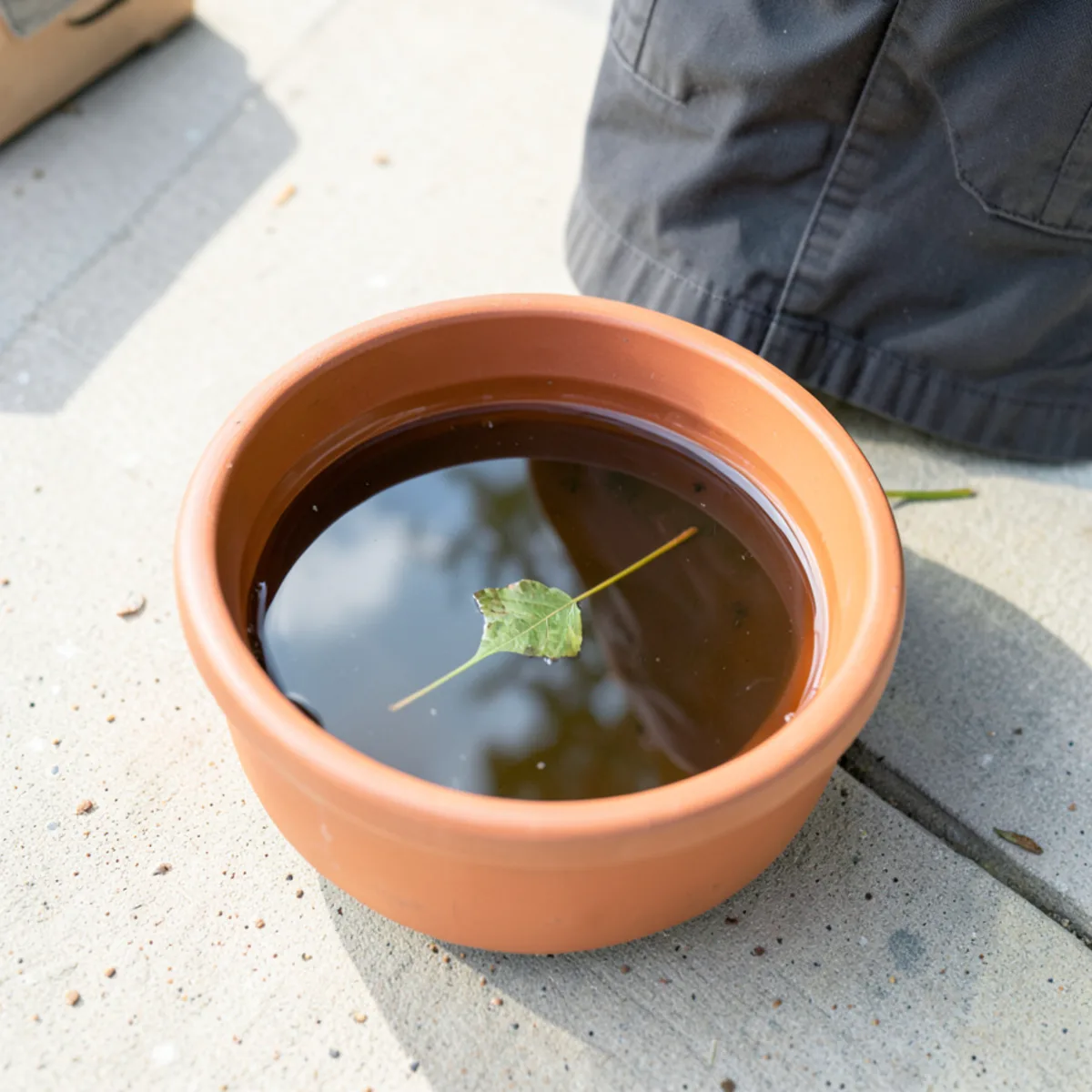
- Plant saucers, bird baths and pet bowls left outside.
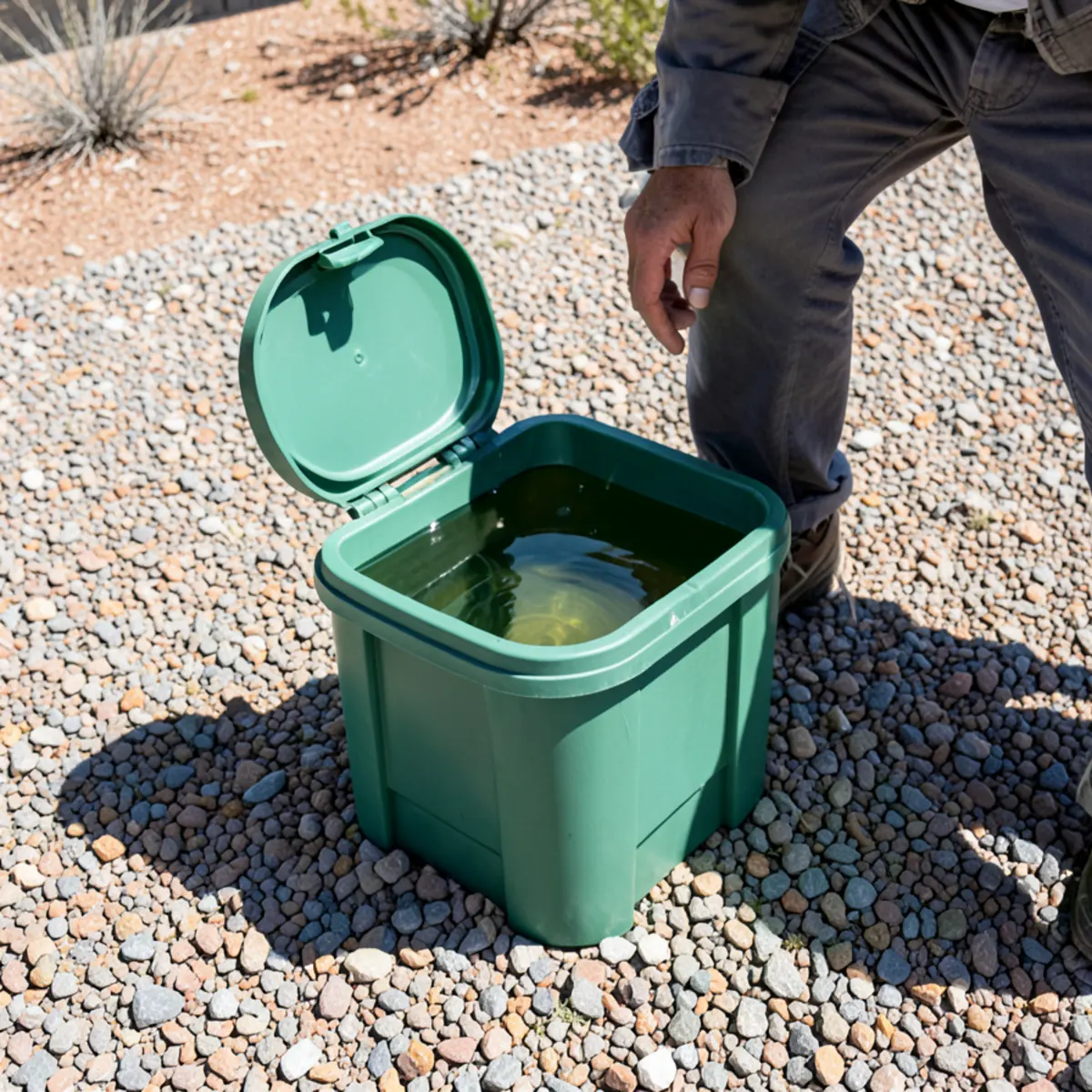
- Irrigation valve boxes and low spots from leaky drip lines.
- Pool equipment pads, skimmer covers and pool covers holding rain.
- Clogged rain gutters and scuppers on flat roofs.
- Flood irrigated lawns in older Tempe neighborhoods that stay wet too long.
- Tarps, buckets, tires, toys and anything else left out after a storm.
Tip and toss at least once a week. Water that cannot be tipped can be screened, sealed, or given drain holes, as the county suggests.
Mosquitoes after monsoon: why timing matters
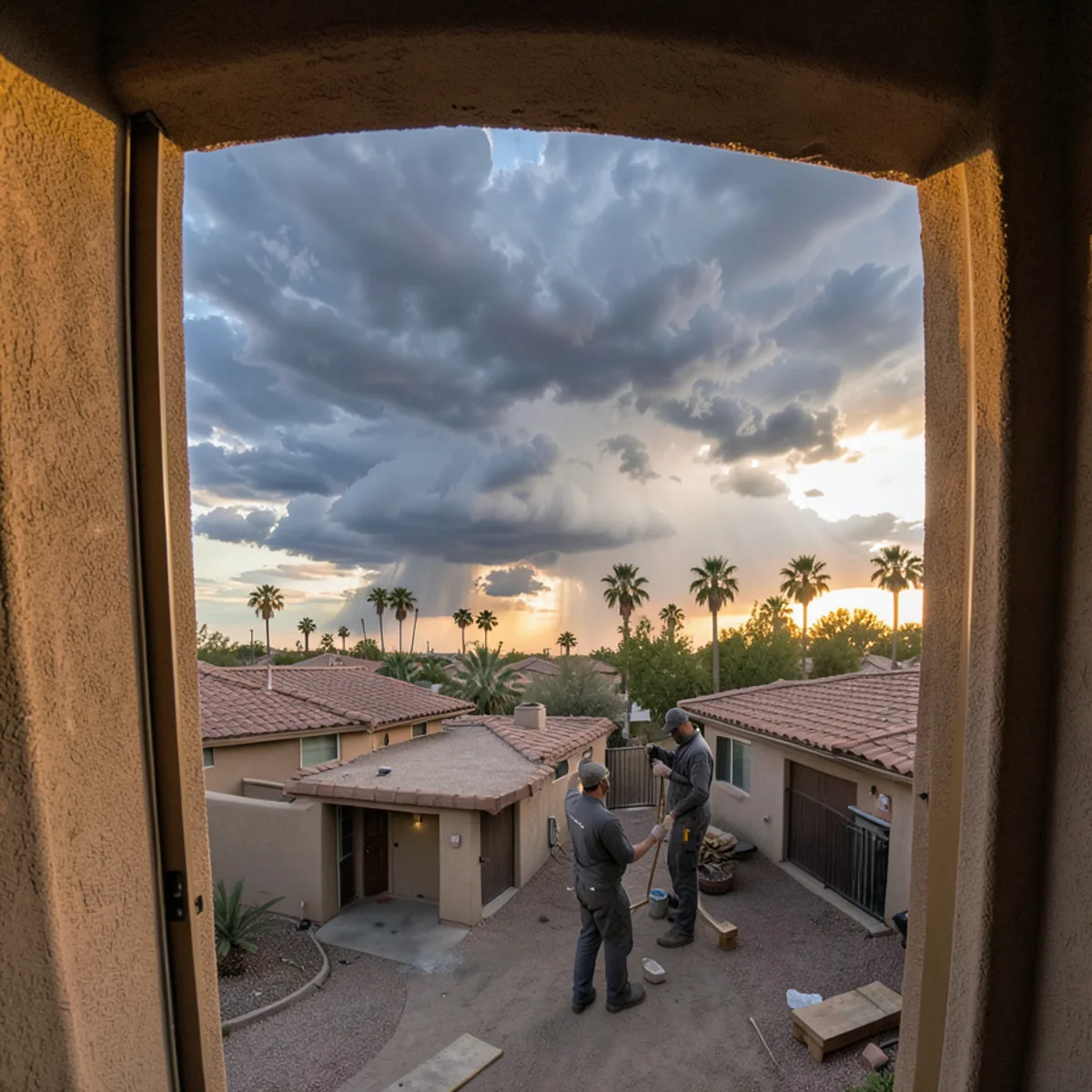
Monsoon storms reset the clock. Every container in the yard fills at once, and mosquitoes need only about seven days to go from egg to adult. Aedes eggs already stuck to the inside of a pot wall can hatch when rain reaches them. The first walk around the yard should happen within days of a big storm, not weeks.
What a mosquito visit can and cannot cover
Mosquito work is an unconfirmed offer, so read this as a description of what would be looked at, not a service menu. Kai decides case by case, and the first step is a phone call. If he takes your yard on, most of the value lies in finding the water. What happens after that depends on what is there, and he may tell you that nothing beyond tipping and repairs is worth paying for.
If it goes ahead, expect:
- A walk of the yard for water in containers, valve boxes and low spots.
- A look at shaded resting places along walls and shrubs.
- A list of sources, in the order to fix them.
- A split between what you can fix, what needs a repair, and what belongs with the county.
- A straight view on any treatment, including when it is not worth doing.
It will not reach a neighbor's property, or cover bites or illness.
What does a mosquito visit look at?
Start with a call, because Kai decides case by case whether a yard is a job he should take. If it fits, a visit is built around this order:
- Kai asks when and where the bites happen, which narrows down the mosquito type.
- He walks the yard for standing water and marks each source for you.
- He checks shaded resting areas: dense shrubs, block wall corners, under patios.
- He goes through what you can fix yourself, and what may need a repair.
- If treatment of any resting areas makes sense, he explains the trade-offs, label directions, re-entry time and how to keep pets clear.
- He tells you what to keep doing after he leaves.
You come away with a list of the water sources found, what to fix first, and a straight opinion on whether anything further is worth paying for.
Prefer to write? Request a quote
Calling is fastest. If you are on a job or at work, leave your details and Kai will get back to you.
Mosquito treatment options and their trade-offs
This compares what the trade uses in general, not what Kai offers.
| Option | What it does | Trade-off |
|---|---|---|
| Removing water | Stops breeding at the source | Needs repeating, especially after storms |
| Bacterial larvicide (Bti) in water you cannot drain | Kills larvae, per University of Arizona Extension | Usually lasts under a month, per Extension; only works in water |
| Mosquito fish | Eat larvae in ponds and fountains | Not for small containers |
| Treating shaded resting spots | Reduces adults for a time | Wears off; does nothing for breeding water |
| Repellents and screens | Protects people directly | Personal protection only |
What affects the cost, and how long results last?
Kekoa has no posted price for this, and it may not suit every yard. Yard size, the amount of dense planting, the number of water sources, and whether a neighbor's property is the true source all matter. Results depend on the water. With sources cleared, the yard stays better. With a neighbor's pool active, expect limits, and Kai will say so.
Tempe yards vary more than most. A gravel front with drip lines may have a few valve boxes to check. An older lot on flood irrigation, with lawn, pool and citrus, has far more ground and shade to walk. Repairs such as a leaking drip line or torn pool cover usually sit with a plumber or pool company, so budget for those separately. The county's five-day rule means a yard needs attention all season, so ask how he would handle a repeat visit if he takes yours on.
Why ask Kekoa first
- You reach the owner, who can tell you honestly whether this is worth doing.
- The Google listing describes honest, reliable service and no sales gimmick.
- He works outside as well as in, and one reviewer mentions him handling weeds as well as pests.
- He explains how to prevent a problem, so most of the value here is what you keep doing yourself.
- A reminder the day before gives you time to unlock gates and clear the pool pad.
- One person walks the yard and takes the follow-up call, so nothing gets lost between visits.
Kai covers Tempe, Gilbert, Chandler and Scottsdale. Seeing large dark bugs around the porch light rather than mosquitoes? Read about kissing bug control.
5.0★ from 54 Google reviews
What customers say about mosquito control with Kai
“We’ve been so impressed with our pest control service! Kai is always professional, punctual, and extremely knowledgeable. He takes time to explain what he’s doing and makes sure we understand how to prevent future issues.”
“Since working with him, we’ve seen a huge improvement—especially with eliminating scorpions from our yard. Highly recommend!”
“When we moved into our home, we had a scorpion infestation.These guys knocked it out in no time haven't seen a scorpion since! (With regular monthly service)”
Mosquito Control: common questions
Why are mosquitoes worse after monsoon storms?
Storms leave water everywhere, and it only takes about a week. Maricopa County says mosquitoes can go from egg to adult in about seven days. Aedes eggs can survive for years on container walls and hatch when rain reaches them. After a Tempe downpour, walk the yard within a few days and tip whatever filled up.
Where do mosquitoes breed around a Tempe yard?
Anywhere water sits for more than five days. The usual spots are plant saucers, bird baths, valve and irrigation boxes, pool equipment pads, clogged gutters, tarps and toys. Green or unfiltered pools are a bigger source. The county says some species can lay in something as small as a bottle cap, so check the small things.
How does Maricopa County's West Nile monitoring affect homeowners?
It gives you a public line of defense, and a place to report problems. Environmental Services runs mosquito traps every week, all year, and tests Culex mosquitoes for West Nile virus. You can file a complaint through the county portal, and join its Fogging Notification List. None of that replaces clearing water in your own yard.
What mosquito bites during the day in Tempe?
Most likely Aedes aegypti. Maricopa County says it bites after sunrise and in the hours before sunset, and at night in well lit areas. It has black and white stripes and does not fly far, so if you are bitten on your own patio, the county says the water is probably in your yard.
Do spray services stop mosquitoes for good?
No. Any treatment of resting spots wears off, and new adults arrive as long as water is still around. Culex can fly from a few blocks up to 10 miles, according to Maricopa County, so a neighbor's green pool can matter too. Clearing water is the piece that lasts, which is why it comes first.
Can I get mosquito fish for my fountain?
Yes, through the county. Maricopa County Vector Control offers Gambusia at no cost for fountains, decorative ponds and unmaintained pools. They eat larvae and pupae. Call 602-506-0700 to check availability and schedule a pickup. This is a county program, so talk to the county directly rather than Kekoa about it.
Where we offer this
- TempeOlder neighborhoods on flood irrigation can hold water past the county's five-day line.
- GilbertWater Ranch has seven recharge basins, yet the county still points to water in your own yard.
- ChandlerOcotillo's reclaimed-water lakes raise the question; shallow still water close by is the usual answer.
- ScottsdaleHomes along Indian Bend Wash sit by parks and lakes, and still need their own yard walked.
- MesaCanal-side irrigation and citrus lots leave more wet ground than a desert yard.
- PhoenixSRP says about 20,000 Phoenix-area parcels take flood irrigation inside raised earth berms.
- Queen CreekWorking farms and new homes sit side by side, and irrigation leaves low wet spots.
- AvondaleThe Gila and Agua Fria meet here, and officials warned of a floodwater surge in 2026.
- Maricopa CountyVector Control sets more than 800 traps a week, and your yard is still your job.
Talk to Kai about mosquito control
Call first. You will reach the owner, not a call center.
Kekoa Pest Control, 2407 E Wesleyan Dr, Tempe, AZ 85282, (209) 563-1650
- 5.0★ on Google (54 reviews)
- Family owned, owner operated
- Serving since 2022