
Biting Pest Control · By Kai Horner, owner of Kekoa Pest Control · Published · Updated
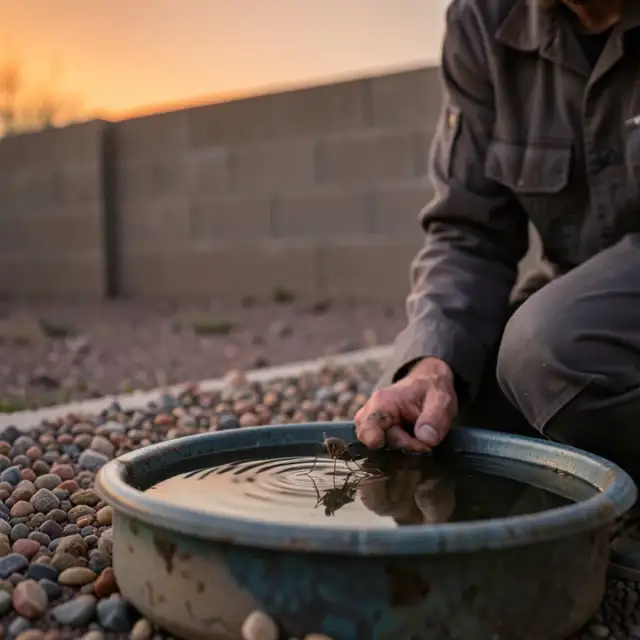
Valley residents think of mosquitoes as a monsoon problem. Maricopa County treats them as a year-round one, and 2026 showed why. Our biting pest control work covers several blood feeders, but West Nile is the one that makes the news here. This post sets out what the county and CDC say, and what an ordinary yard can do about it.
West Nile: Maricopa County's 2026 numbers
On June 16, 2026, the Maricopa County Department of Public Health confirmed its first West Nile death of the season, an older adult with underlying health conditions. At that point the county had confirmed 17 human cases, compared with 4 during the same period the year before. Counts change through the year, so check the county's Fight the Bite page for current figures. Its Vector-Borne and Zoonotic Reports page refreshes on Fridays and labels all data preliminary, so treat the June figures here as an early snapshot.
For scale, CDC says about 2,000 people are diagnosed nationally each year, and it calls that an undercount because many cases are silent or get blamed on something else. It reports more than 1,300 severe cases and more than 130 deaths a year.
The county's numbers on how the illness behaves are worth knowing.
| Outcome | What the county reports |
|---|---|
| Most infected people | No symptoms |
| About 1 in 5 | Flu-like illness with fever, headache and body aches |
| About 1 in 150 | Severe complications such as encephalitis or meningitis |
| Highest risk | Older adults, people with underlying conditions or weakened immune systems |
CDC adds that there are no licensed vaccines or medicines for West Nile in people, so avoiding bites is the main protection. Anyone with symptoms or concerns should talk to a doctor. Call 911 for an emergency.
Symptoms and timing, according to CDC
CDC says symptoms usually start 2 to 6 days after the bite, and later in someone with a weakened immune system. Mild illness can mean fever with headache or body aches, joint pain, vomiting, diarrhea or rash.
Severe illness affects the central nervous system. CDC lists high fever, neck stiffness, stupor, disorientation and muscle weakness among the signs. It says recovery can take weeks or months, and that some effects may be permanent.
A mosquito bite is the usual route. CDC also lists blood transfusion and organ transplant, plus rare cases from laboratory exposure or from mother to baby. Antibiotics do not treat a virus, and CDC says no medicine treats West Nile, so its instruction is to talk to a healthcare provider if you think you or a loved one might have it.
Why mosquitoes do so well in the Valley
CDC says Culex mosquitoes spread West Nile in the United States. Females lay eggs on standing water, from ponds and neglected pools to storm drains, ditches and small containers around a house. An egg can become an adult in 7 to 10 days.
That short cycle is the whole problem. A desert city has very little natural standing water, but plenty of the human kind: irrigation overflow, plant saucers, pool covers, clogged gutters and retention areas. A week of neglect after a storm is enough.
Mosquitoes follow the virus through birds as well. CDC says mosquitoes become infected by feeding on infected birds and then pass it on when they bite. A mosquito does not need your yard to be dirty. It needs water nearby and a warm evening.
County Vector Control tests mosquitoes for West Nile and other diseases, and it publishes trap maps, a mosquito management map and a fogging notification list on the Fight the Bite page. The county says it sets more than 800 routine traps every week and works year-round. Sign up for the fogging list if you want notice before fogging near your street.
The Arizona Department of Health Services names Culex as the West Nile carrier and flags Aedes aegypti as a separate potential threat. Both need water to breed, so the yard work below covers them together.
The county's 4 Rs for your household
Maricopa County boils its advice down to four words. They are short enough to remember and they cover most of what works at home.
- Repel. Use an EPA-registered repellent outdoors, especially from dusk to dawn.
- Remove. Get rid of standing water around the house.
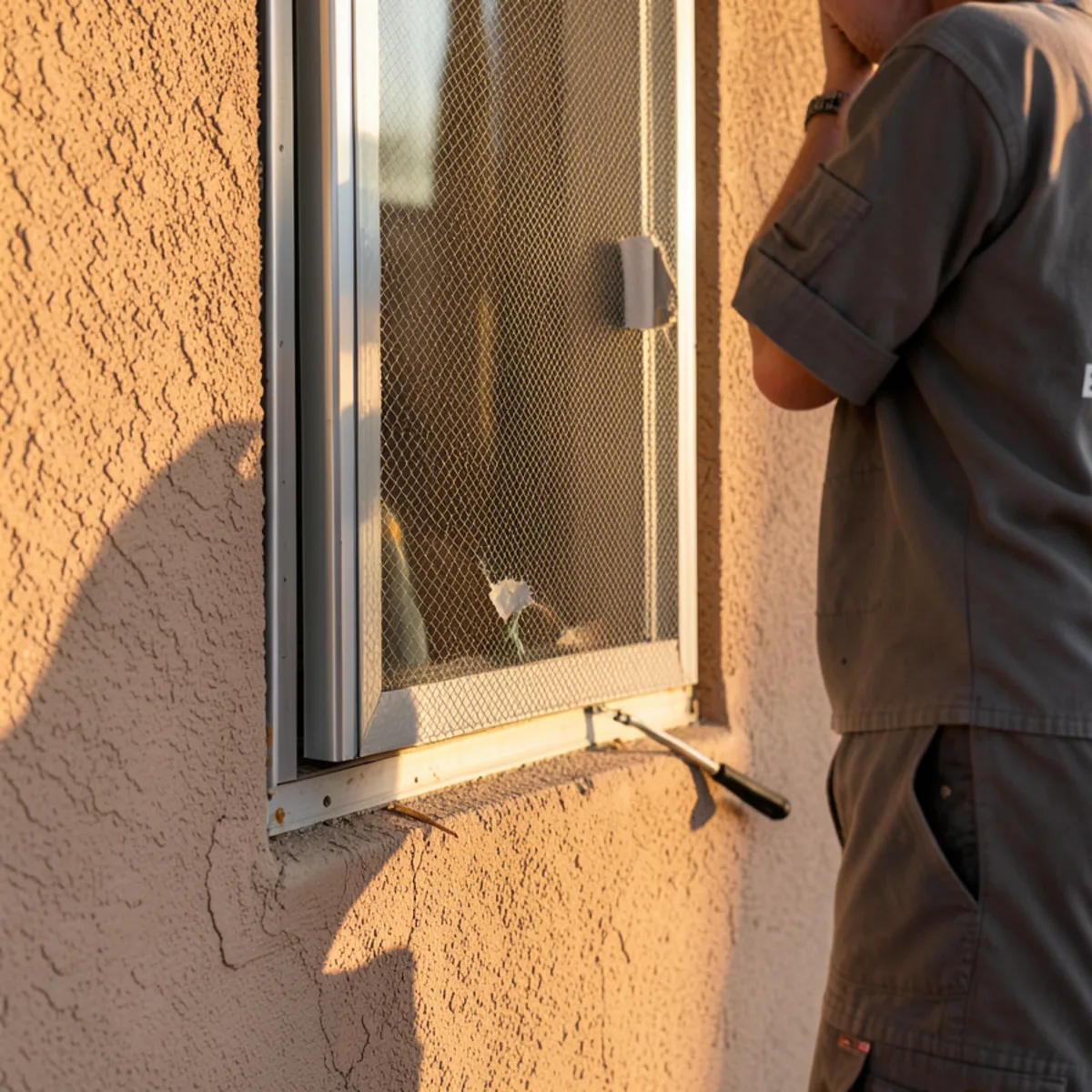
- Repair. Fix or replace damaged window and door screens.
- Remind. Share this with neighbors, because mosquitoes ignore block walls.
CDC adds long, loose clothing, and using air conditioning or screens indoors.
On repellent, the county's list of active ingredients names DEET, picaridin, oil of lemon eucalyptus, IR3535, para-menthane-diol and 2-undecanone. Its backyard checklist adds rules for children: keep repellent off their hands and away from the eyes and mouth, and do not use it on a child under two. Follow the directions on the product you buy.
A standing water walk-through
Do this after each storm and at least twice a week in warm months, because the county's backyard checklist says outside water should not stand more than four days. Start at the back of the lot and work toward the front.
- Empty plant pots and saucers, buckets, bird baths and kiddie pools, all named on the county's list.
- Tip anything that collects water, including toys, tarps and folded pool covers.
- Run the irrigation and look for puddles that sit overnight.
- Clear gutters and any downspout that dumps into a low spot.
- Keep fountains moving and clean, and do the same for pet water bowls.
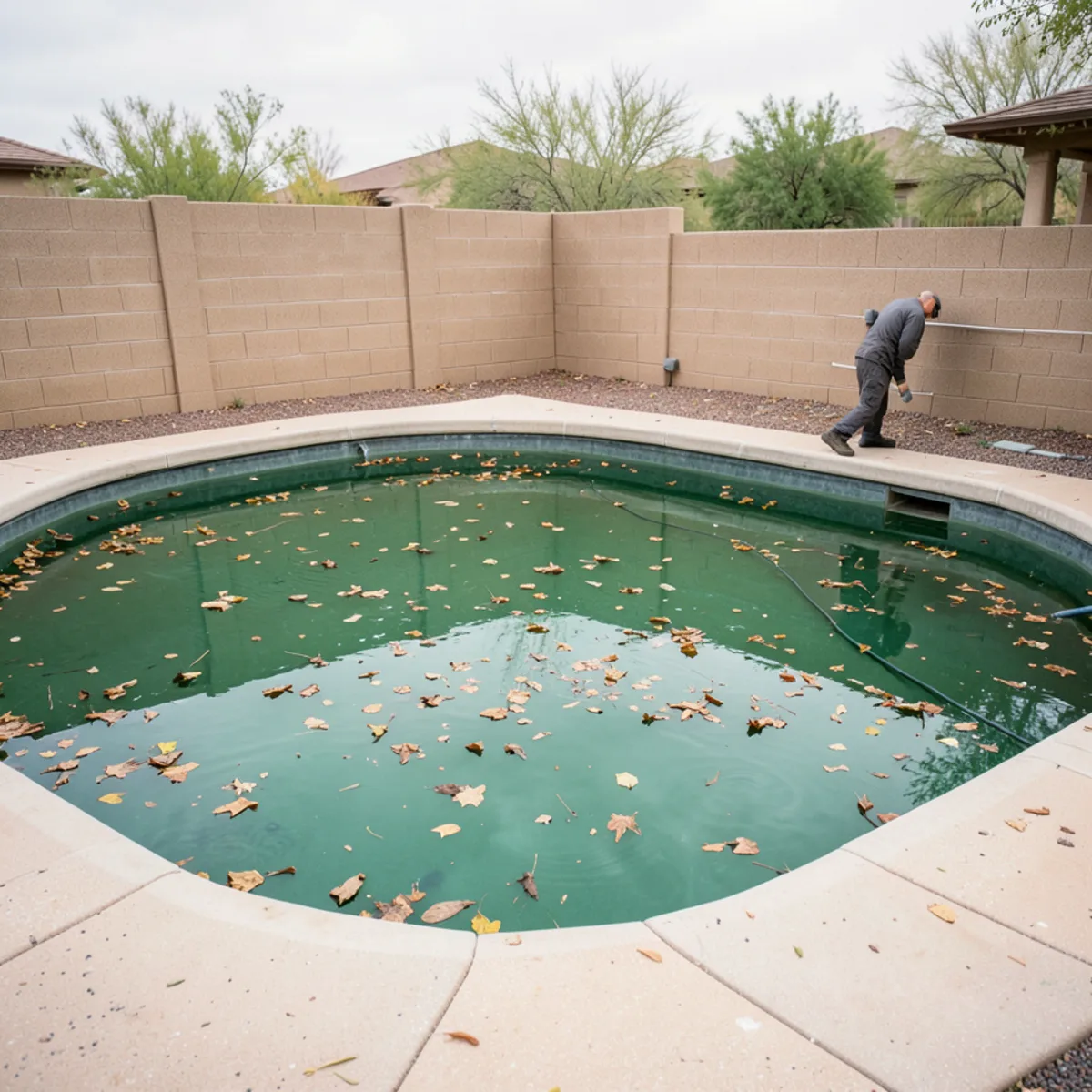
- Check pool chemistry. Neglected water is what mosquitoes want.
- Treat small permanent water with a larvicide, following the label, if it cannot be drained. CDC lists this option.
Mosquito yard treatment comes after these steps. No product keeps up with a yard that is still breeding them.
Places the quick walk misses
The county's checklists go further than most people do. These are the entries that get skipped.
- Rain barrels need a mesh or screen cover.
- Unused containers left outside need holes drilled in the bottom.
- Flat roofs need frequent checks, and roof gutters need clearing.
- Low dips in a lawn need filling.
- Tree holes and patio cracks need sealing or filling, and a tree needs a filler that will not harm it.
- Dripping air conditioners and outside faucets need repair.
For a pool in regular use, the county's advice is to keep up chlorine, keep it clean and keep the water circulating.
How Kai thinks about mosquito calls
The first useful thing on a mosquito call is finding the water. A walk around the property looks at irrigation, drainage, containers and what is on the other side of the fence. Sometimes the answer is a five-minute fix, and that is worth hearing before anyone pays for anything.
Yard mosquito work depends on the property, so mosquito control starts with a phone call and an honest answer about whether it is something Kai takes on at your address. If a neighboring source is the real problem, the county's Report Mosquito Concerns form is the better route, and it costs nothing to use.
There is a trade-off worth saying plainly. A spray on shrubs and shady walls reaches the adults resting there, but it does nothing for larvae in a saucer behind the shed, and new adults keep hatching. A larvicide reaches larvae, but only in the water it is put in. Neither is the right first step while a yard still has a source. CDC sends adulticide questions to a local mosquito control program or a licensed professional.
State law (A.A.C. R3-8-201) makes pest management businesses carry an Arizona Department of Agriculture license, and opm.azda.gov/PCBusSearch.php shows whether one is current. That is general advice for anyone hiring for yard treatments.
The county program covers all of Maricopa County, and the same habits apply out west in Avondale as they do near the Tempe canals.
If you have done the water walk and are still getting bitten at dusk, call (209) 563-1650 and ask Kai what he would look at next.
Sources
- Maricopa County: first West Nile death of the 2026 season, June 16, 2026
- Maricopa County, Fight the Bite
- CDC, About West Nile
- CDC, Preventing West Nile
- CDC, Life Cycle of Culex Mosquitoes
- Maricopa County, Backyard Checklist
- Maricopa County, Prevent Mosquito Breeding
- Maricopa County, Vector-Borne and Zoonotic Reports
- Arizona Department of Health Services, Mosquito-Borne Diseases
About the author
Kai Horner owns and runs Kekoa Pest Control, a family-owned pest and weed control business based in Tempe, AZ, serving the East Valley since 2022. More about Kai