
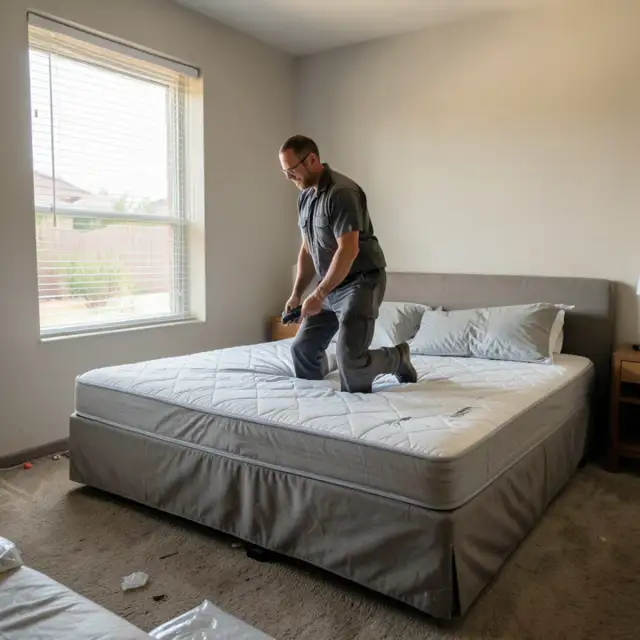
Biting Pest Control · By Kai Horner, owner of Kekoa Pest Control · Published · Updated
Both methods work when done properly, and both fail when done badly. The real question is what fits your rooms, your building and how much preparation you can get done. EPA's position is that integrated pest management gives the strongest results on bed bugs, meaning several tools plus resident cooperation. Its myth list includes the idea that pesticides alone can quickly clear an infestation. Before choosing a method, it helps to read how we approach biting pest control in general, since the first step is always confirming what you have.
Quick note on the words: "heat" here means professional equipment that heats a room or home. A clothes dryer is a useful add-on for fabrics but it is not a home treatment.
Bed bug heat treatment vs chemical: the short comparison
| Factor | Heat treatment | Chemical treatment |
|---|---|---|
| How it works | Raises room contents to lethal temperature | Contact and residual products placed in hiding spots |
| Eggs | Reached when temperature holds long enough | Some products miss eggs, so follow-up matters |
| Visits | Often one long session, plus checks | Usually several, spaced apart |
| Time out of the home | Hours, by provider and home size | Set by the label, usually shorter |
| Residual effect | None after cooling | Can remain active in cracks, per label |
| Resistance risk | Not a factor | A real issue with some products |
| Main failure point | Cold spots behind and inside furniture | Missed hiding spots, poor follow-up |
| Preparation | Remove heat-sensitive items | Clear access, reduce clutter, launder |
| Cost pattern | Often higher up front | Often spread across visits |
The cost line is a general pattern, not a quote. Square footage, furniture, clutter and building rules all move the number.
How heat treatment works
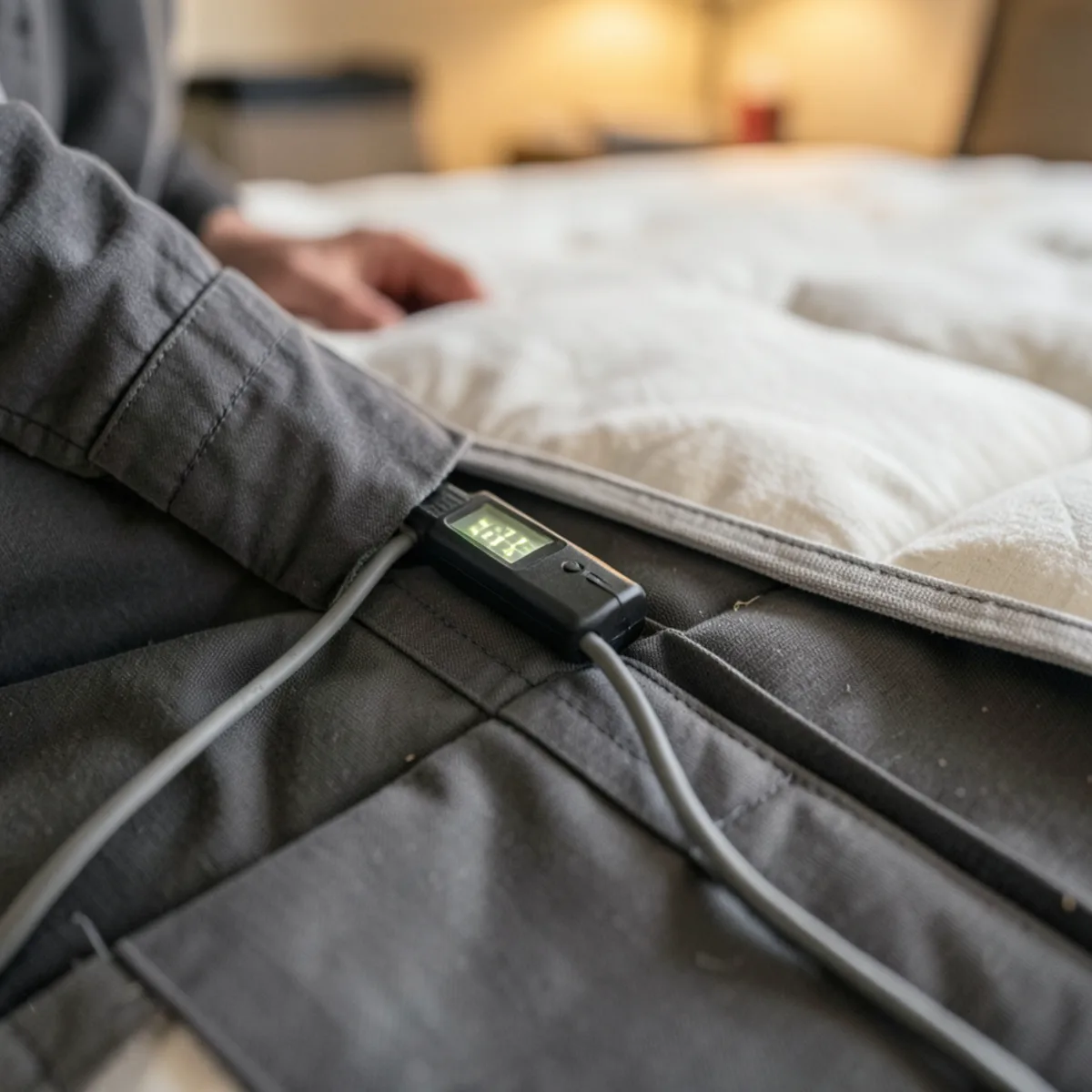
EPA says furniture, luggage or whole rooms should be heated to at least 120 degrees for 90 minutes to kill eggs, and that higher temperatures need less time. Portable heaters or specialized units do that work, and sensors placed in the hardest spots confirm it. The target is the temperature inside the mattress, sofa or wall gap, not the air in the room.
Heat has two real strengths. It reaches all life stages in a single event when it is done right, and it does not depend on whether the local bugs have developed resistance. But nothing is left behind when the room cools. A bug carried back in on a backpack the next day meets no barrier.
The risks are practical. Items that melt, warp or burst must come out or be protected. Cold spots form behind stacked items and against exterior walls. And EPA is firm about home attempts: raising your thermostat, or using a propane heater or a fireplace, does not work and is dangerous.
How chemical treatment works
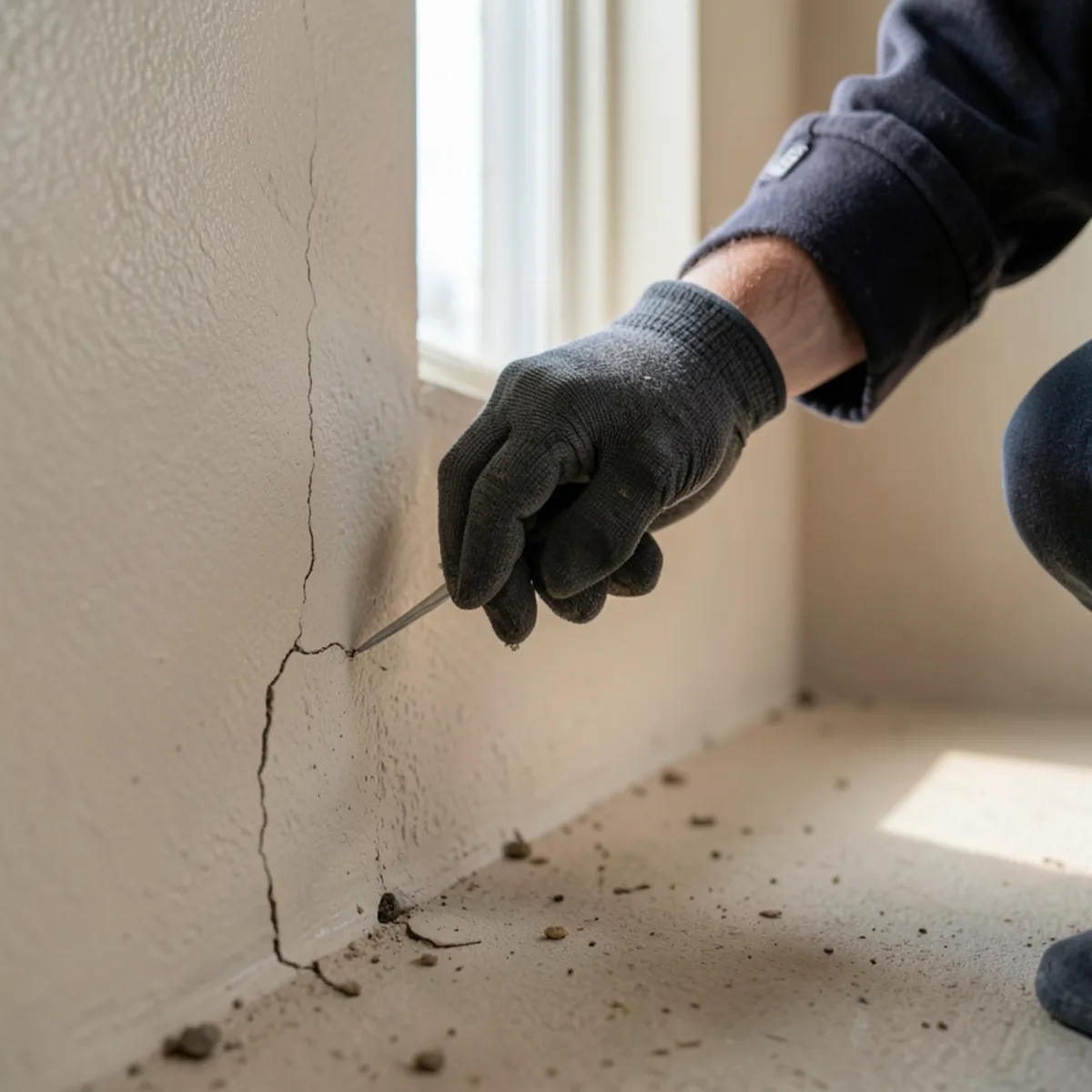
A chemical plan puts product where bugs hide: seams, cracks, frames, baseboards and outlet covers. EPA lists several classes, including pyrethrins and pyrethroids, desiccants, neonicotinoids, insect growth regulators and pyrroles. That variety matters, because EPA says some bed bug populations have become resistant to pyrethrins and pyrethroids. Switching classes or using products with different modes of action helps. Desiccants act physically, so resistance works differently, though they can take months.
Follow-up is the core of this method. Eggs that survive the first round hatch later, so repeat visits are normal. Skipping one is a common reason a job appears to fail, which is why our post on why bed bug treatments fail spends so long on it.
Two warnings from EPA apply to anyone tempted to start alone. Foggers should not be your only control method, because the spray does not reach cracks. And only products registered for bed bugs and labeled for that use should be applied.
Which homes suit each approach
No rule fits all, but these are fair starting points.
Heat often makes more sense when:
- The infestation is concentrated and the layout is open.
- You need a single event, for instance before moving.
- Suspected resistance has beaten earlier chemical rounds.
Chemical often makes more sense when:
- The home has many heat-sensitive items, or building rules limit heat.
- You want residual protection in cracks after the visit.
- A few rooms are involved and repeat visits are workable.
Both together make sense when:
- The infestation is established, or spread across rooms.
- It is a multi-unit building with shared walls.
Spread matters when you size either job. CDC says bed bugs usually stay within about 8 feet of where people sleep, so a single bedroom can be a realistic starting scope. Bugs in sofas, closets or several bedrooms push the job toward a whole-home plan, whichever method leads.
Apartments add one more layer. EPA tells landlords to inspect adjacent units and says building management must take part in multi-family cases. Rules on who arranges that are in our guide to rental pest control costs.
Getting ready for each method
The prep overlaps, but what you worry about differs. With heat, you are protecting belongings from temperature and clearing a path for air. With chemicals, you are opening up cracks so product can reach them. Either way, follow the written list from whoever does the work, because it should match the method and the products.
| Step | Before heat | Before chemical treatment |
|---|---|---|
| Bedding and clothes | Bag it and dry on high about 30 minutes, or follow the plan | Same, then keep it sealed until the treatment ends |
| Furniture | Pull away from walls and open up airflow | Pull the bed about 6 inches from the wall for access |
| Clutter | Reduce it, because piles shelter cold spots | Reduce it, because piles hide cracks |
| Heat-sensitive items | Ask what must leave the room | Usually a smaller concern |
| Moving things out | Do not carry items to clean rooms | Do not carry items to clean rooms |
Five questions before you book either one
- How will you confirm these are bed bugs first?
- What temperature or product class are you using, and how do you check it worked?
- How many visits are included, and how far apart?
- What do you need me to do, and by when?
- Who checks neighboring rooms or units?
EPA's list of why treatments fail covers missed bugs, poor preparation, untreated adjacent units and no repeat after eggs hatch. Those five questions touch each of them.
How Kai decides what to recommend
Kai starts with bed bug control basics: confirm the pest, find out how far it has spread and see what can realistically be prepared. Whole-home heat needs specialized equipment, so ask him on the phone what he would use on your job. If your home calls for something outside what one person does, he will tell you so. Reviews say he keeps customers informed as he goes, and that matters here, because you will do part of the work with bagging and laundry.
Whichever method you use, plan to check afterward. EPA's schedule is a look at least weekly during control, then a watch lasting at least a year.
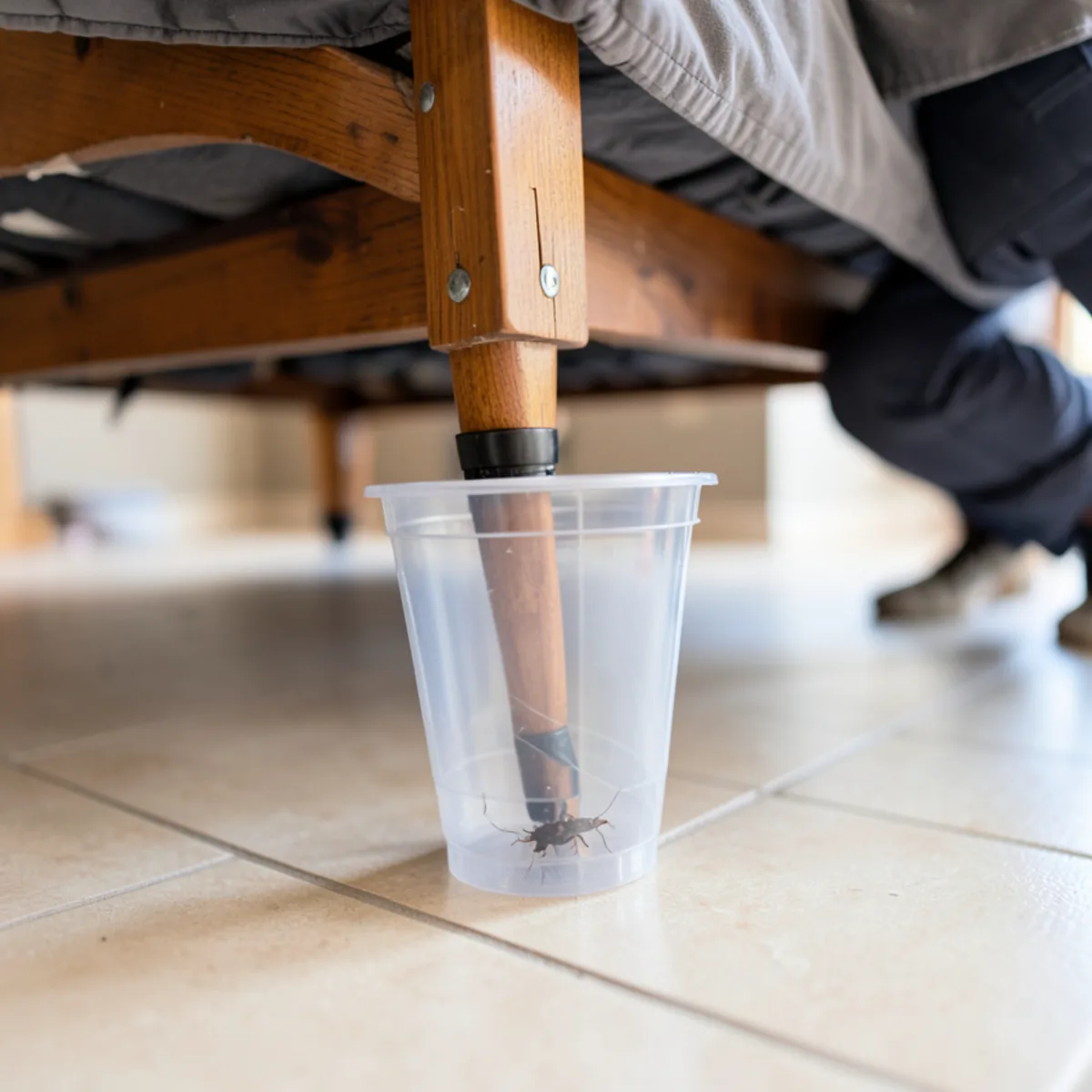
Interceptor cups under bed legs give you an inexpensive early warning. Mattress and box spring encasements trap anything inside and make new spots easy to see.
Service runs from Tempe into nearby cities such as Mesa. Stuck between the two methods? Call (209) 563-1650 and ask Kai which one he would start with in your home.
Sources
About the author
Kai Horner owns and runs Kekoa Pest Control, a family-owned pest and weed control business based in Tempe, AZ, serving the East Valley since 2022. More about Kai