
Biting Pest Control · By Kai Horner, owner of Kekoa Pest Control · Published · Updated
You did the laundry, you bought the spray, maybe you paid someone, and the bites came back. That is one of the most common stories in biting pest control. The good news is that a failed round usually has a specific cause. Here is how to find it in a house or rental in Tempe or Mesa.
Why bed bug treatment failed: the eight usual causes
EPA's page on this question lists the reasons below. Read them as a checklist against what was actually done in your home.
| Cause | What it looks like at home |
|---|---|
| Not all bugs were found | Only the mattress was treated |
| Poor preparation | Clutter stayed, cracks stayed open |
| Known hiding spots skipped | Hampers, bed frames, nightstands, couches missed |
| Neighboring areas ignored | Adjacent room or apartment left alone |
| Dose below the label rate | Product stretched or diluted to save money |
| No repeat treatment | Eggs hatched after the only visit |
| Too little time allowed | Slow products judged after two days |
| Resistance | Live bugs after a thorough, labeled treatment |
Most failures sit in the first seven lines, so start there. EPA notes bed bugs can hide in cracks as thin as a credit card, which explains the first line on its own. It says resistance can only be verified in laboratory tests, and it stresses that other causes need checking first.
Store sprays, foggers and other shortcuts
Bed bugs are hard to reach, and most retail shortcuts do not reach them. University of Arizona Extension says do-it-yourself products are generally not effective and should be used with extreme caution. It also says not to use total release foggers on bed bugs, because they do not work on them.
EPA adds several warnings of its own:
- Use only EPA-registered pesticides that list bed bugs on the label.
- Foggers do not reach cracks, and misuse can harm your health or cause a fire or explosion.
- Never use rubbing alcohol, kerosene or gasoline on bugs or furniture.
- Do not raise the thermostat or use space heaters to cook the house. EPA says that does not work and is dangerous.
- Skip pool or food-grade diatomaceous earth, which EPA says can harm you when inhaled.
Moving to the couch is a shortcut too. Bed bugs follow the sleeper, so leaving the bedroom can carry them into a new room.
Bed bugs came back: failure, or a new arrival?
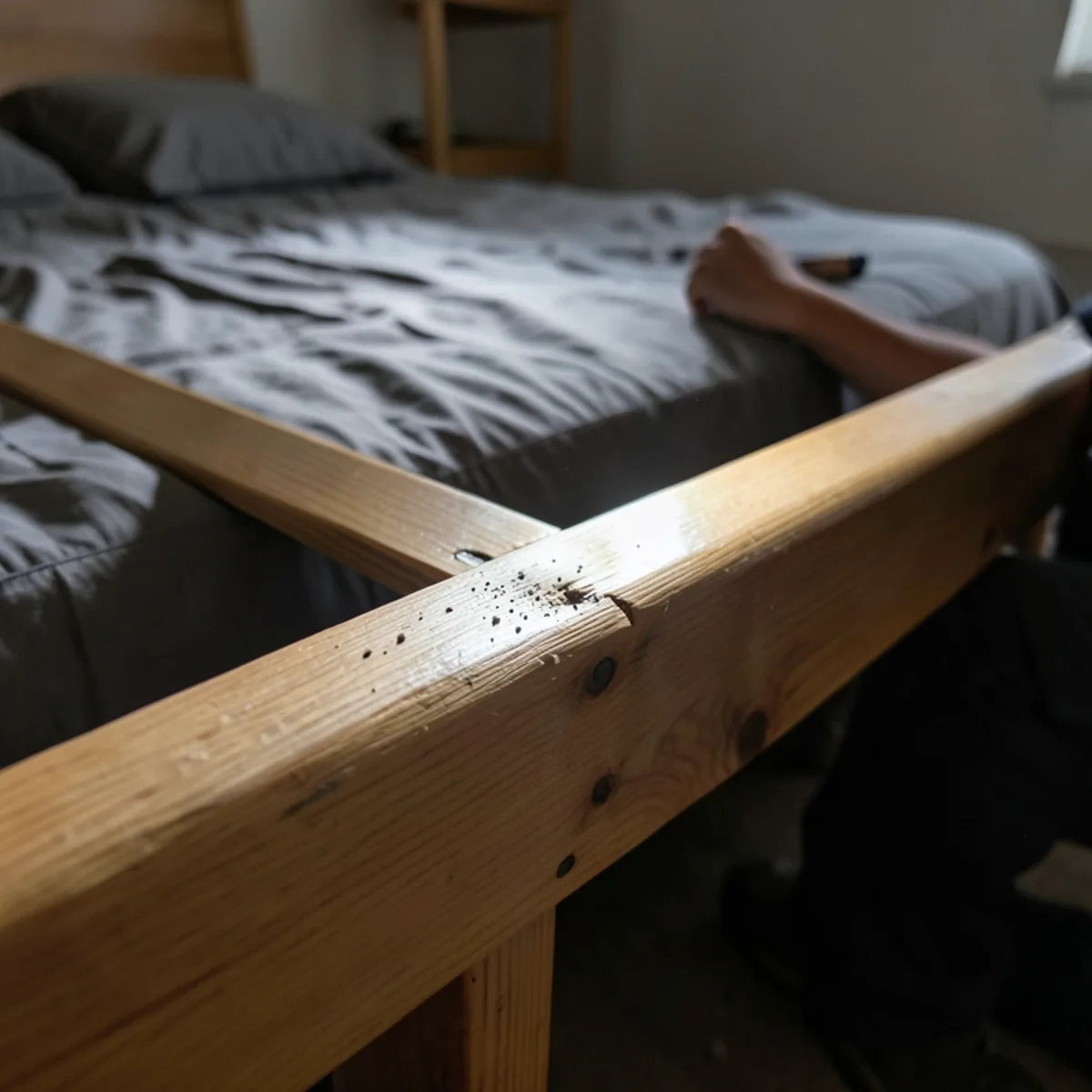
Before planning round two, work out what you are looking at. Bites alone are not proof, because people react differently and many things cause itching. Live bugs, shed skins, eggs and dark fecal spots along seams are the evidence you want.
Timing helps as well. Eggs that survived will produce small nymphs soon after a treatment. Adult bugs months later may be a reintroduction from travel, a used couch or a neighbor. Keep a dated note of what you found and where. EPA recommends those records for a reason, and they will help anyone who picks up the job.
Build a simple bed leg monitor
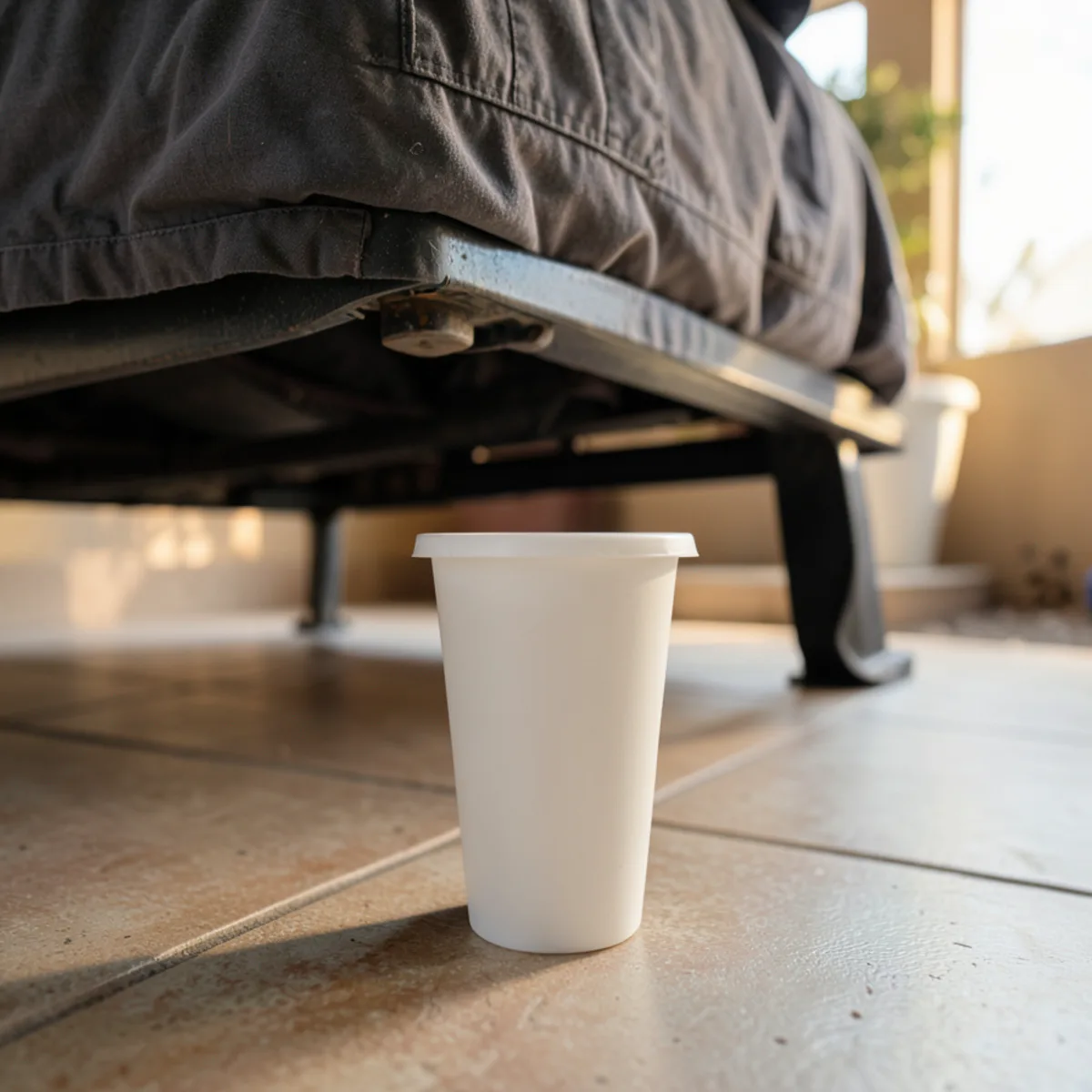
EPA describes a homemade interceptor that shows if bugs are still moving, and it costs next to nothing.
- Nest one plastic container inside a larger one.
- Wrap rough-textured tape around the outside so bugs can climb in.
- Add talcum powder to both containers.
- Put one under each leg, with the bed a few inches from the wall.
- Check and clean them weekly, then powder again.
Bed bug prep that gives the next round a chance
Prep is the part you control. Follow the instructions you are given, but these steps fit most plans.
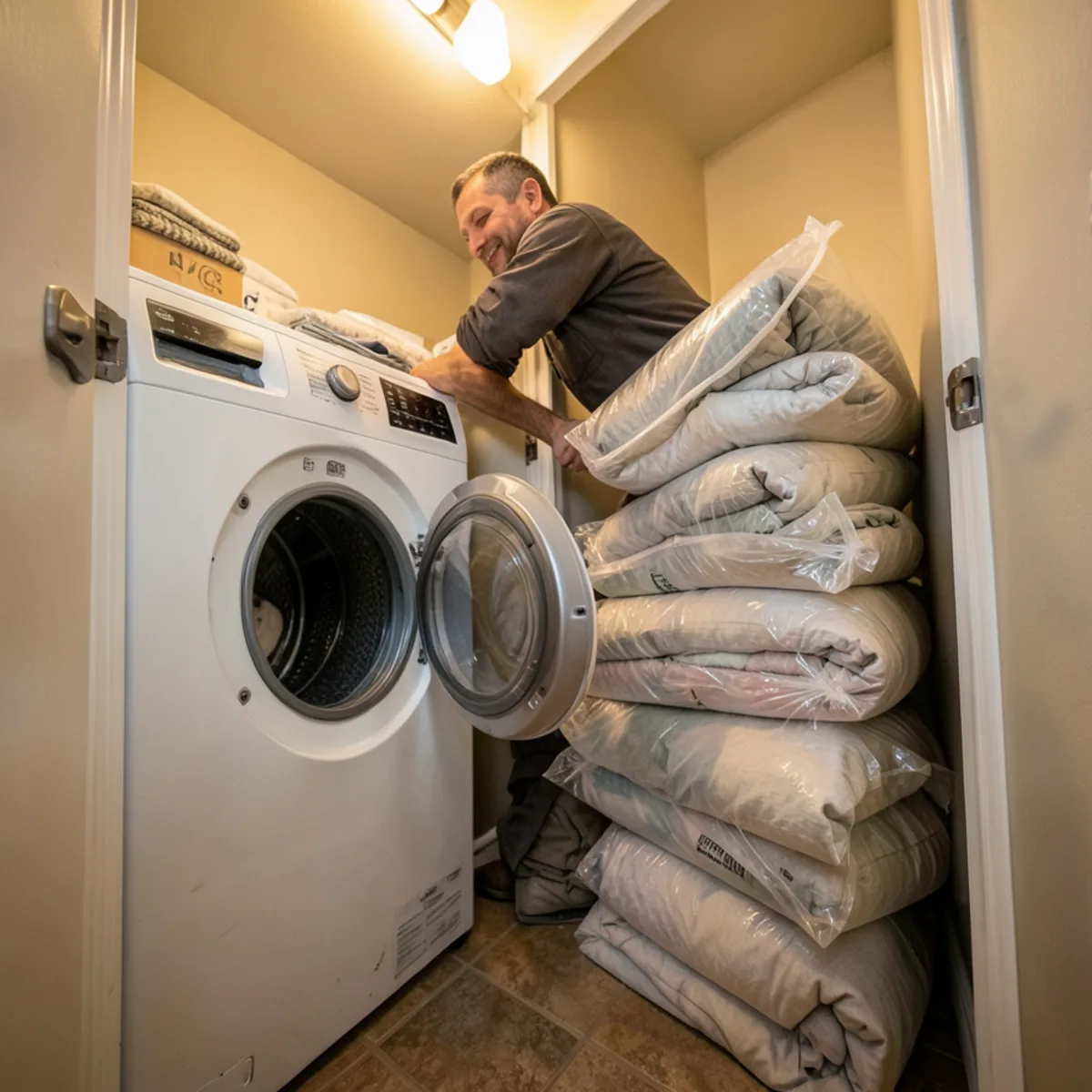
- Bag bedding and clothes in the room before moving them.
- Run them through a dryer on high heat.
- Clear clutter from under the bed and around the headboard.
- Move the bed a few inches from the wall.
- Keep linens off the floor.
- Vacuum seams, frames and cracks, then seal the bag and put it in an outside bin.
- Fit encasements on the mattress and box spring, and leave them on.
- Do not move items out to other rooms without bagging them.
Steam can help if it reaches at least 130 degrees and does not blow bugs around, so use a diffuser. For a freezer, EPA says 0 degrees for three days, checked with a thermometer. Items you cannot treat can stay sealed in a bag for up to a year. EPA also lists sealing cracks and crevices with silicone caulk as part of the cleanup, and it warns that the whole process can take weeks to months depending on how severe the infestation is.
What to ask whoever did round one
A failed round leaves evidence if you ask for it. Put these questions to the company, the landlord or yourself, and write down the answers:
- Which products were used, and did each label list bed bugs?
- Was it applied at the label rate?
- Which furniture was treated, beyond the mattress?
- Was a repeat treatment done after eggs could hatch, and on what date?
- Were the rooms and units next door checked?
- What prep was requested, and was all of it done?
Gaps in those answers usually show where the next round should start.
Changing the product, and when that makes sense
Switching products is the step people jump to first, and it belongs near the end. If the first round reached the bugs, at the label rate, with a repeat after hatching, EPA's next suggestion is different types of labeled pesticide for sequential treatments. It warns that use below label rates may not kill the bugs and can speed up resistance.
EPA also points to products without reported resistance, such as diatomaceous earth, used with other methods. It means EPA-registered desiccants, not the pool or food-grade kind, and it says they may take several months to work. University of Arizona Extension expects a professional to use two or more methods together, because one rarely covers everything.
What a proper plan looks like in a rental
Apartments and shared walls add one important question: where else are they? EPA names adjacent rooms and units among the reasons treatment fails, so a sound plan looks past one bedroom. Bed bug work in a rental should cover:
- Notice. Tell your landlord or manager in writing, with dates. A.R.S. 33-1319 requires a tenant who knows of bed bugs to give written or electronic notice.
- Inspection. Check the unit, plus units on both sides and above and below if possible.
- Written scope. Decide who prepares, who pays and what is treated. Our post on who pays for pest control in an Arizona rental covers that question.
- Follow-up dates. Put the second visit on the calendar before the first one starts.
- Monitoring. EPA advises inspecting at least every 7 days, including interceptors, and to keep checking for at least a year.
If you need to know where the bugs actually are, start with a bed bug inspection.
How Kai approaches a second attempt
Kai's view is that a second attempt should begin with what happened in the first. What was used, where was it applied, and when? Bring any paperwork or photos you have. A product list makes this easier, and customers say he leaves one at monthly visits and explains what he is doing and how to prevent problems.
A plan can then be built from the gaps it reveals, whether that is a missed couch, a skipped follow-up or an untreated neighboring unit. The bed bug control page explains more. It is also sensible to confirm any company's Arizona license with the state's license search, and that goes for a landlord's vendor too.
Bites back after treatment? Save a bug in a sealed bag and call (209) 563-1650.
Sources
- When Treatments Don't Work, U.S. Environmental Protection Agency
- Do-it-yourself Bed Bug Control, U.S. Environmental Protection Agency
- Top Ten Bed Bug Tips, U.S. Environmental Protection Agency
- Pest Proofing Your Home (AZ1677), University of Arizona Cooperative Extension
- A.R.S. 33-1319: Bedbug control, landlord and tenant obligations, Arizona State Legislature
About the author
Kai Horner owns and runs Kekoa Pest Control, a family-owned pest and weed control business based in Tempe, AZ, serving the East Valley since 2022. More about Kai