
Emergency Pest Control · By Kai Horner, owner of Kekoa Pest Control · Published · Updated
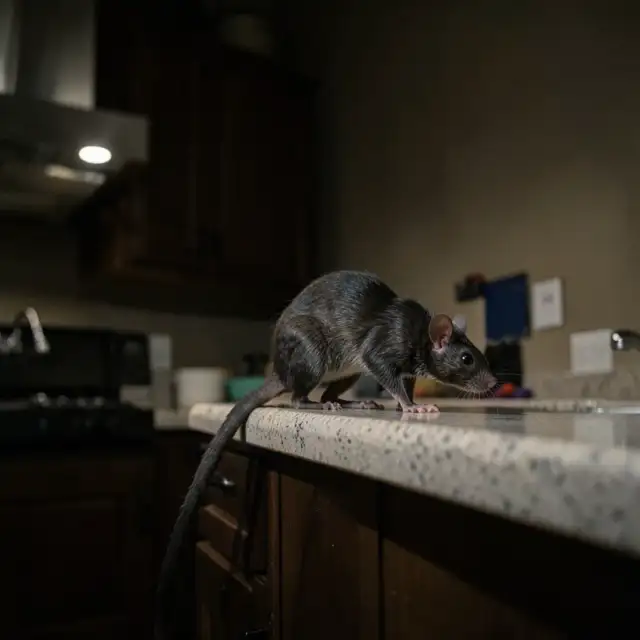
Seeing a rat cross the kitchen at midnight is unpleasant, and it is common enough in the Valley that there is a sensible routine. These steps get you through the night and set up the next day. If traps do not solve it, emergency pest control is the next step, including for homes in Phoenix and Scottsdale.
Rat in house at night: what to do first
Move calmly. A cornered rat will run at the nearest gap, and that may be past your feet.
- Note where it went. A direction is more useful than a chase.
- Shut interior doors. Confine it to as few rooms as you can, and put a rolled towel at the door gap.
- Move pets. Close dogs and cats in a bedroom. The university says rat fleas and mites can move onto other animals.
- Clear the food. Put fruit, bread and pet food in the fridge or in metal or glass containers. Rats chew through plastic.
- Remove water. Dry the sink and lift the pet bowl.
- Set traps if you have them. Otherwise, wait until morning. Do not improvise with glue on the floor.
- Wash up. Wash your hands after touching anything it may have crossed.
Which rat is it?
In most Valley homes the answer is a roof rat. University of Arizona Extension says they were documented in Phoenix in 2001 and have settled into old citrus, palms and mature landscaping near homes. Norway rats are not well established in Arizona. Pack rats are native and more common near desert edges.
| Clue | Roof rat | Pack rat | House mouse |
|---|---|---|---|
| Tail | Scaly, longer than the body | Furred, as long as the body | Thin, smaller animal overall |
| Droppings | Pointed, banana-shaped, 1/4 to 1/2 inch | Blunt, 1/2 to 3/4 inch | Much smaller |
| Sound or sign | Overhead scratching at night | Piles of sticks and debris | Small nests in hidden corners |
| Likely route | Attic, then pipes down | Ground level, garage, under the house | Door gaps, utility lines |
Roof rats breed all year in the low desert and are far more active from November through May, when citrus is heavy on the trees. A sighting in those months should not surprise anyone.
How to catch a rat indoors without making it worse
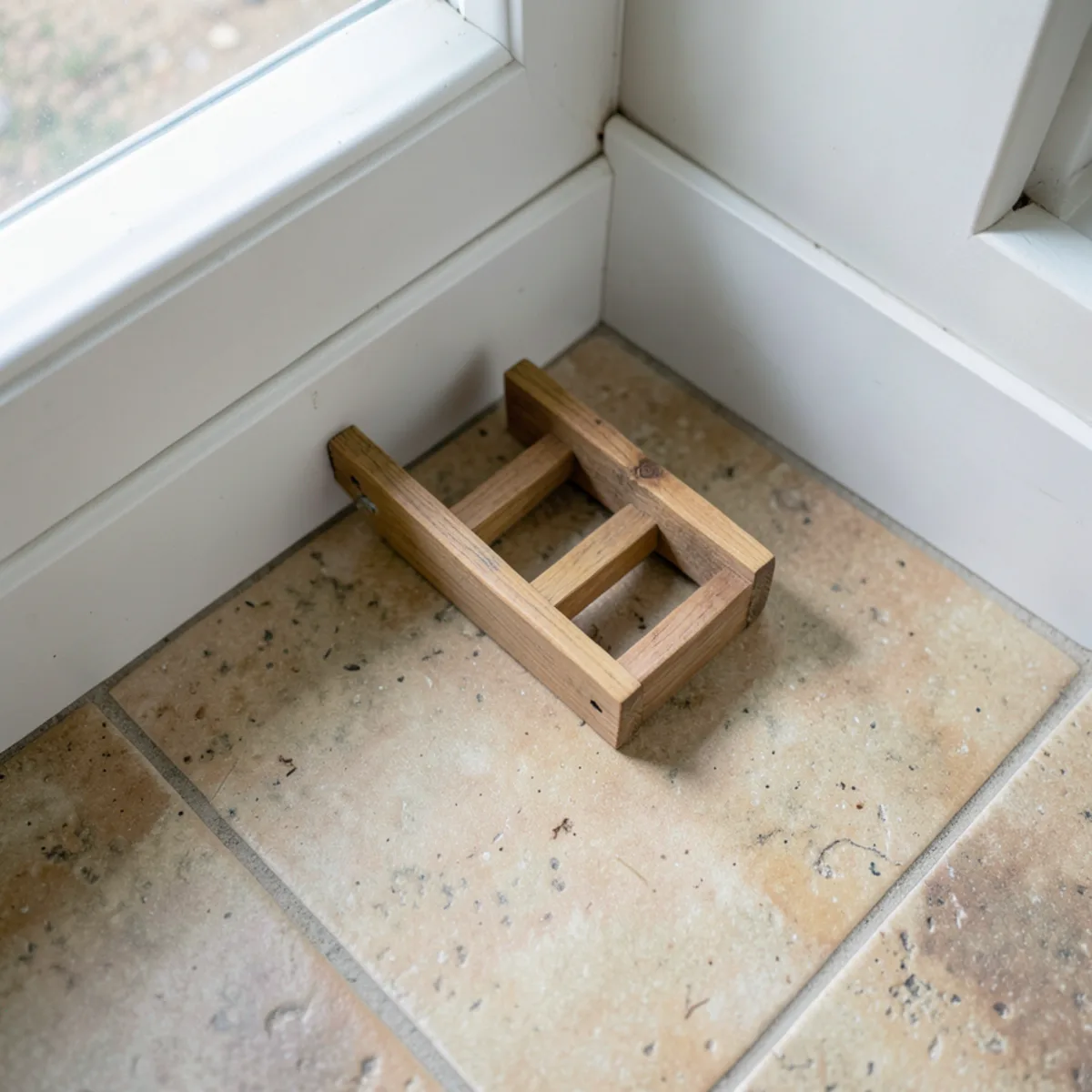
Snap traps are the plain answer for one rat in one house. Buy rat-sized traps, since mouse traps will not hold it. Use several, because a rat that avoids one spot will meet another.
- Place traps along walls, trigger end toward the baseboard, where rats travel.
- Add a few behind the fridge and in the sink cabinet.
- Bait with a dab of peanut butter or dried fruit.
- Use covered boxes or closed rooms if you have pets or children.
- Check every morning, and wear gloves to handle a catch.
Roof rats forage above ground, so also think high. Tops of cabinets, shelves and attic hatches can be better spots than the middle of the floor. If you hear them overhead, the attic needs its own look.
Skip poison inside the house. The Extension also says poison baits and trapping are short-term control, while exclusion and habitat changes are what last. That leads to the next job.
Finding how it got in
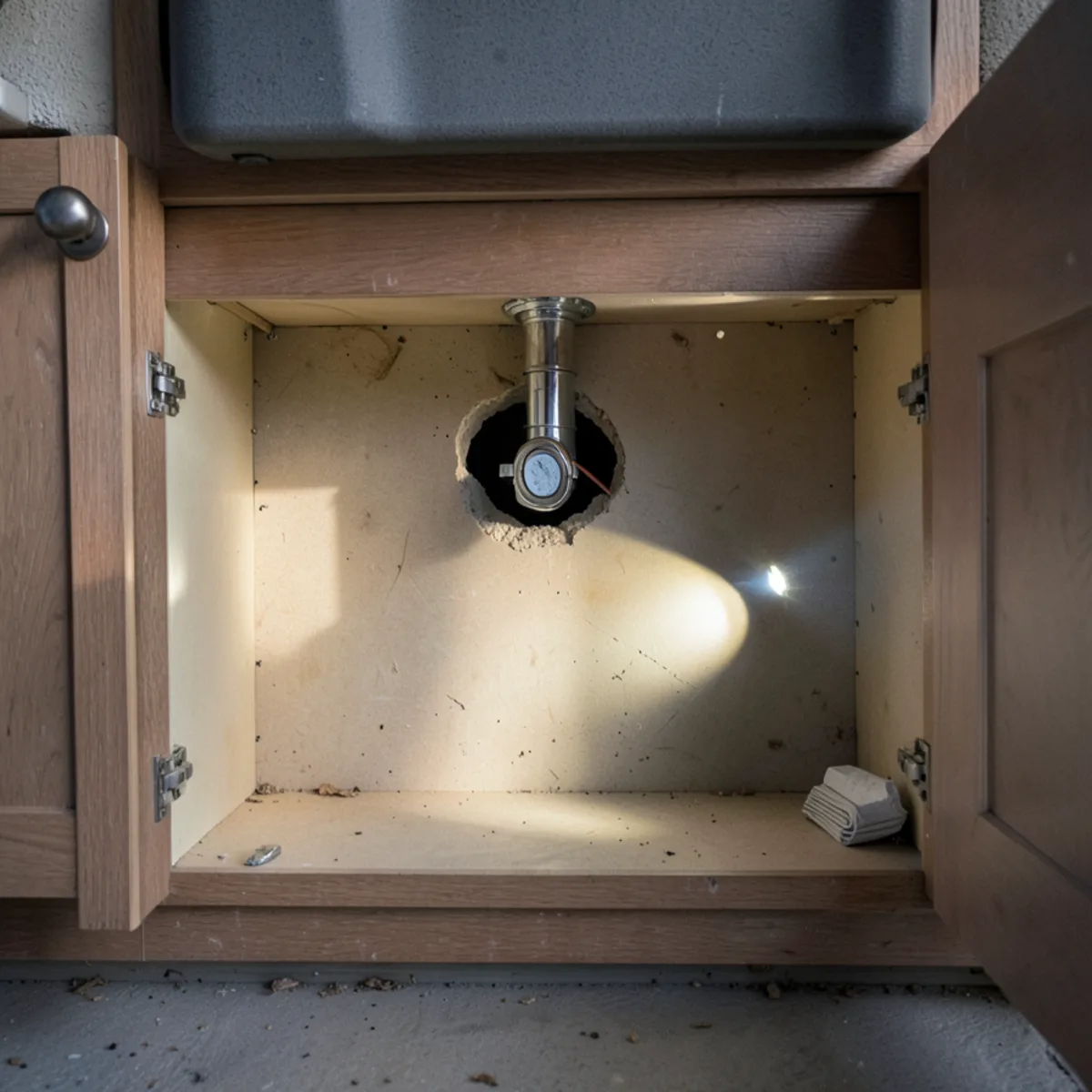
A trap removes a rat. It does nothing about the door the rat used. Maricopa County says roof rats enter through any opening larger than a nickel, follow pipes down from the attic, and reach kitchens and base sink cabinets. The university says a 1/2 inch gap will admit a young rat.
Morning daylight is the right time to check these spots:
- Pipe holes under sinks and behind the washer and water heater
- The cover on the air conditioning line where it enters the wall
- Roof vents and sewer stacks
- Garage door corners and door sweeps
- Roof edges where branches touch
Stuffed steel wool only buys time, according to the university. It recommends cement, mortar or suitable sealant for repairs and 1/4 inch hardware cloth over vents.
Cleaning up rat droppings, the CDC way
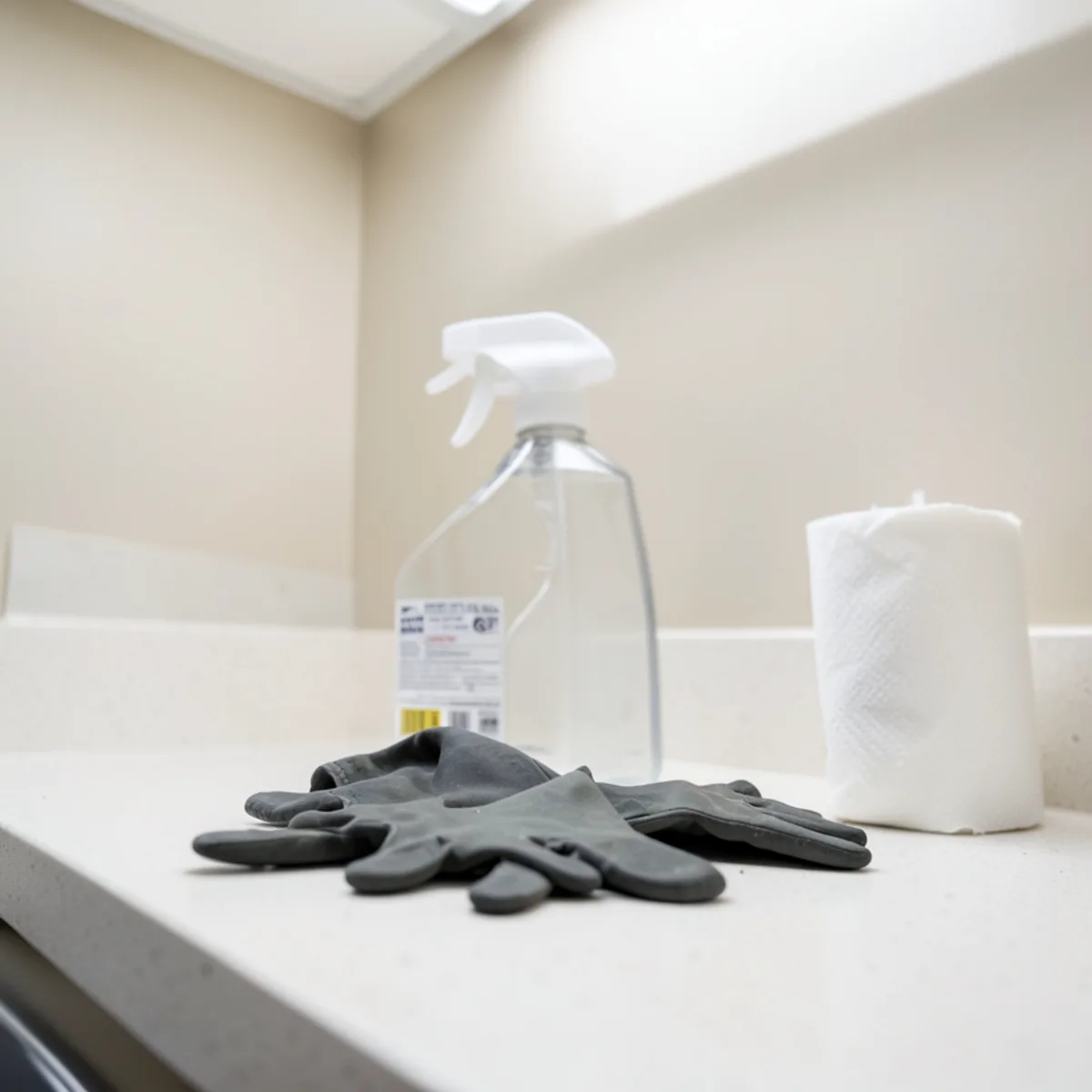
The CDC says not to sweep or vacuum droppings, urine or nesting material, because that can put virus-containing droplets into the air. Its steps, in short, are as follows. Open doors and windows for 30 minutes and leave the room. Wear rubber or plastic gloves. Soak the material with disinfectant or a mix of 1.5 cups of bleach per gallon of water for 5 minutes. Wipe it up with paper towels and bin them. Double-bag any dead rodent and used nesting material. Then wash your gloves, and wash your hands after removing them.
For a caught rat, the CDC adds a few details. Fleas are common on rodents, so it suggests considering insect repellent as well as gloves. Spray the rat and the trap, soak for 5 minutes, then double-bag and put it in a covered bin. A snap trap can be reused if you submerge it in disinfectant for 5 minutes, rinse it and let it dry. The CDC treats heavy infestations and vacant buildings as a separate case that calls for protective gear including a respirator, so a large mess in an attic is not one to tackle with a pair of kitchen gloves.
What a rat in the house can carry
This is worth knowing without overreacting. University of Arizona Extension lists murine typhus, leptospirosis, salmonellosis, rat-bite fever and lymphocytic choriomeningitis among the diseases roof rats are implicated in, and says they can pass on fleas and mites that bite people. Maricopa County says roof rats tested across the county for tularemia, hantavirus and plague have all come back negative to date.
The CDC's advice is simple: if you think a recent illness may be linked to rodents, talk to a healthcare provider and mention the exposure. University of Arizona Extension's line for a reaction to any bite or sting is Poison Help at 1-800-222-1222, or 911 if it is serious.
One rat or several? What the next few days tell you
A rat in the kitchen is rarely the only clue. Roof rats live overhead, so the signs tend to be up high and easy to miss. Walk the house and yard with a flashlight and look for these, all drawn from university and county lists:
- Scratching in the attic or walls once the house goes quiet
- Black, banana-shaped droppings on insulation or in storage
- Greasy smudge marks high on rafters, where fur rubs along a route
- Hollowed oranges with the rind left on the tree
- Gnaw marks at the eaves and chewed wire coverings
- Pets that seem unsettled
Numbers can climb faster than people expect. The university says a roof rat female has 5 to 8 pups per litter, up to 5 litters a year, and young can breed at about 3 months. In town they usually stay within about 120 yards of the nest, which often takes in your neighbors' yards as well. A wet patch under a sink deserves a look too, since roof rats can gnaw through PVC drain pipes to reach water.
How Kai thinks about a rat in the house
One rat is a trapping job and a gap-finding job, and both matter. Kai's view is that a house is rarely done until the route in is known. Customers say he sets traps and cleans up after each catch, and that he explains what he is doing and how to prevent a repeat. That matters when the problem is in an attic you would rather not visit.
If you have young children in the home, the rat is in a bedroom, or droppings are spread across food areas, ask about emergency rodent removal. The wider rodent control page covers longer-term work. Kekoa is closed Sundays and there is one person doing the work, so ask on the phone what his next opening looks like.
Got through the night but still hearing it? Call (209) 563-1650 in the morning.
Sources
About the author
Kai Horner owns and runs Kekoa Pest Control, a family-owned pest and weed control business based in Tempe, AZ, serving the East Valley since 2022. More about Kai