
Pest Control Services · By Kai Horner, owner of Kekoa Pest Control · Published · Updated
Maricopa County Environmental Services sets the stakes for any kitchen in Tempe. Its inspection reports are public, and its voluntary grading runs from A to D based on the number of priority and priority foundation violations. Core violations cover general maintenance and sanitation. A pest finding can land in different categories, so operators need to catch it before an inspector does. This checklist works alongside our general guide to pest control in Tempe.
The FDA Food Code, the national model many health agencies build on, puts it bluntly: the premises shall be maintained free of insects, rodents and other pests. It lists how: inspect incoming shipments, inspect the premises for evidence, and use approved methods when pests are found.
One detail trips people up. The county's Environmental Health Code adopted the 2017 edition of that Food Code by reference, effective October 6, 2021, and no later edition. FDA has since published a 2022 version, so check section wording against what the county adopted. This post is practical guidance from the pest side, not legal advice, and the county's inspector is the one to ask about your permit.
The restaurant pest control checklist
Print this and give each line an owner. A list nobody signs does not get done.
Every shift
- Check that back doors close fully and are not propped open.
- Wipe up grease and food debris under the line, not just on top.
- Move trash out before close. Keep lids shut.
- Store open dry goods in sealed containers.
- Look for droppings, smears and live insects behind equipment.
Every week
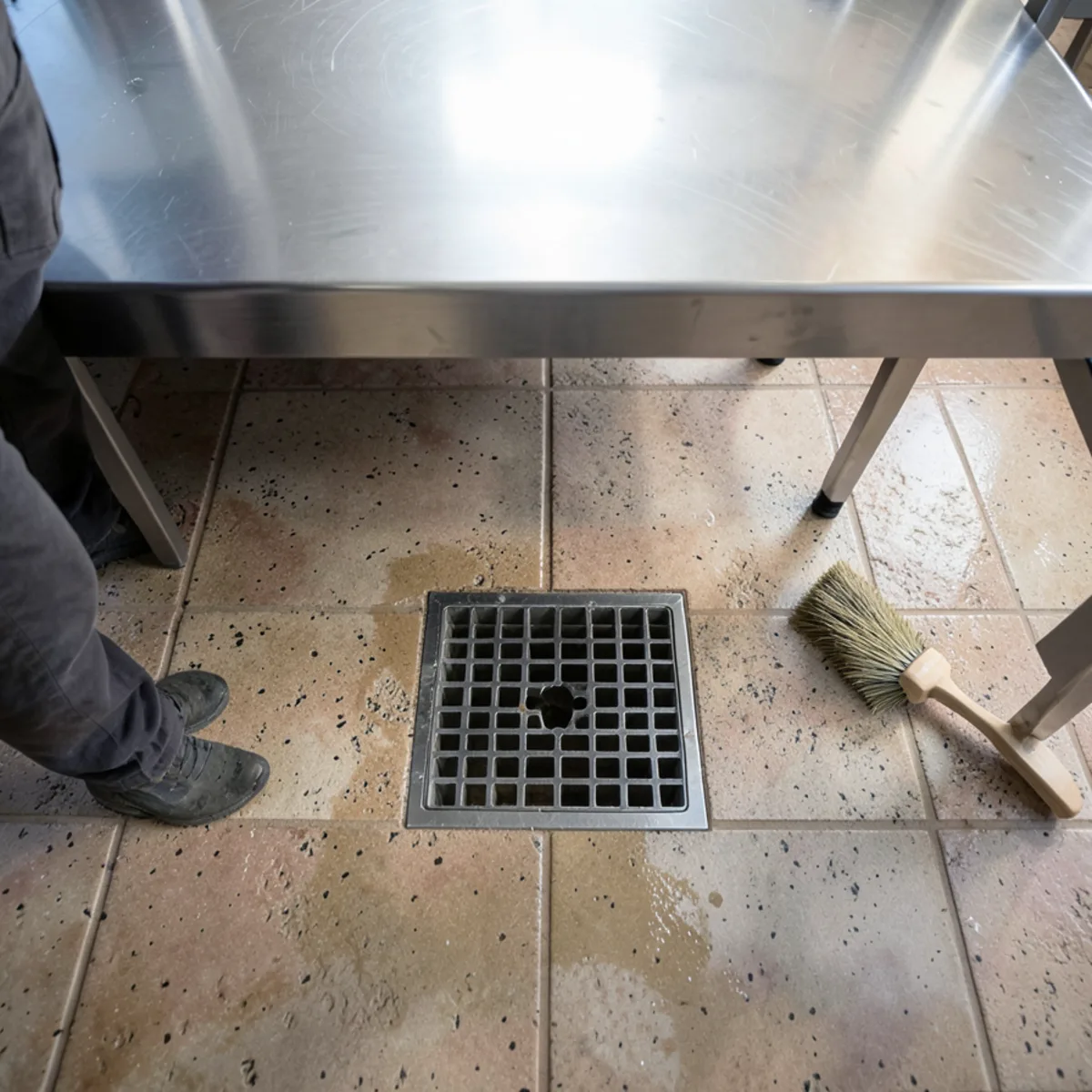
- Scrub floor drains and clear the baskets.
- Pull out movable equipment and clean the floor and wall behind it.
- Check mop sinks and hand sinks for slow leaks.
- Empty and clean any traps or monitors. The Food Code requires dead or trapped pests to be removed often enough to stop them collecting.
- Clean the dumpster pad. Rinse spills.
Every month
- Hold a flashlight at each exterior door and look for daylight.
- Check door sweeps, thresholds and the seals on any roll-up door.
- Inspect pipe penetrations under sinks and behind the water heater.
- Walk the exterior, including roofline vents and grease containment.
- Review your service notes and log anything unresolved.
Every quarter
- Steam clean trash containers. University of Arizona's pest-proofing guide recommends that for dumpsters at least quarterly.
- Pull heavy line equipment if it can be moved.
- Compare this list with your last county report.
Door gaps: the cheapest repair on this list
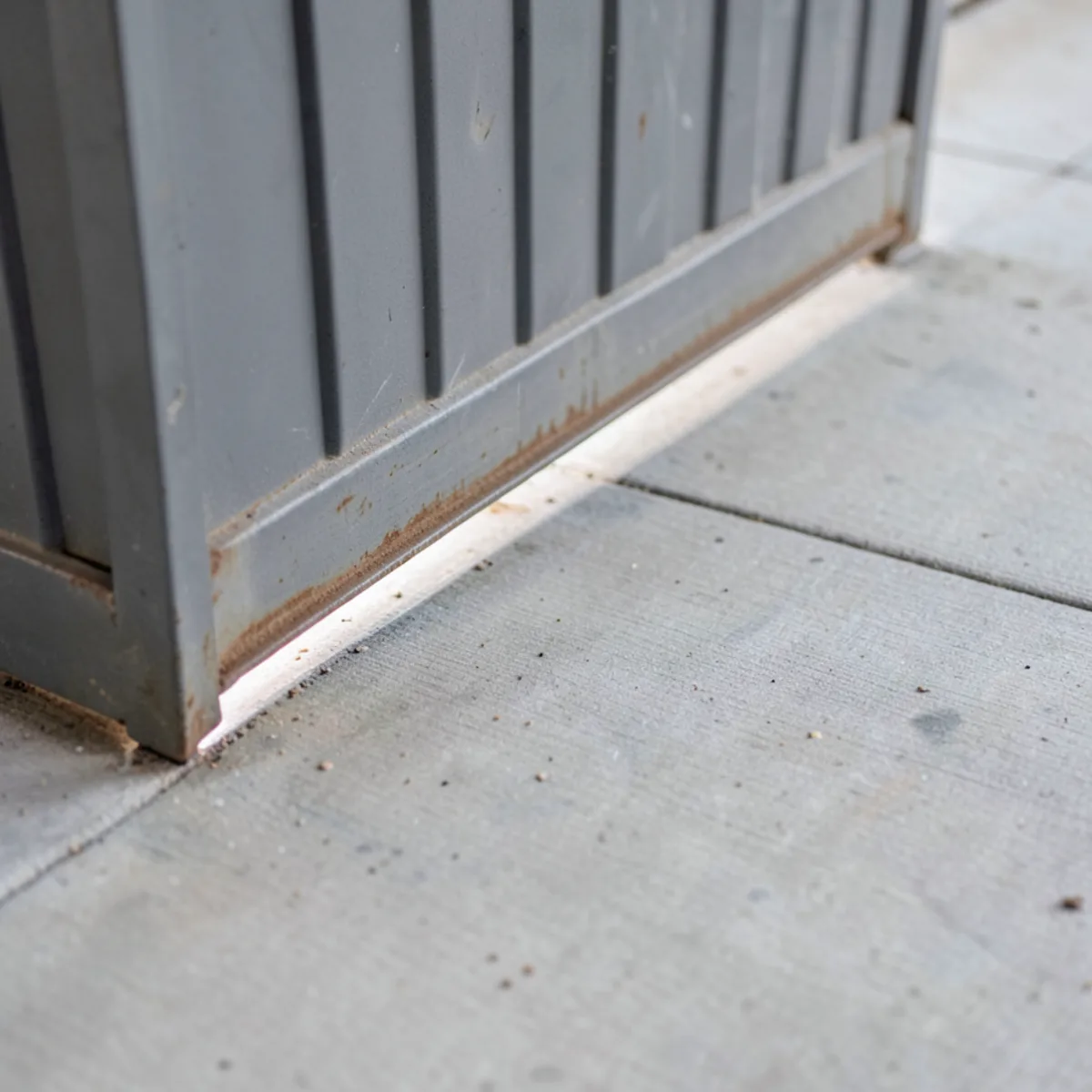
Food Code section 6-202.15 covers protecting outer openings, and the 2017 edition marks it core. Light at the base of a back door falls squarely under it. The fix is often a new door sweep. It is a small repair, but a finding sits on a public record until the next inspection.
Stand inside a dark storeroom in daytime and look at the door edges. If you can see light, a roach or a mouse can find the gap too. Add the threshold, the corners and any hole where a conduit comes through the wall.
Commercial kitchen pests: where each one lives
Each common pest points to a different weak spot. That makes this table useful when you find one sign and need to know where to look next.
| Pest | Where it shows up | First place to check |
|---|---|---|
| German cockroaches | Warm, tight spots near food and water | Door gaskets, motors, undersides of tables |
| Drain flies | Wet organic film | Floor drains, mop sinks, broken tile |
| Roof rats | Overhead, in ceilings and roof lines | Vents, roof penetrations, storage shelves |
| Ants | Sugar trails from outdoors | Syrup lines, soda stations, door thresholds |
| Crickets | Night entries after monsoon rain | Back doors and lights near entries |
Older storefronts with shared walls, like those along Mill Avenue, add a wrinkle. A neighbor's pests can reach you through wall voids and shared pipe runs, so your own clean kitchen may not settle the matter. Talk to the landlord and neighboring tenants if activity keeps returning with no local cause. Chapter III of the county code puts the duty to prevent infestation on the owner, occupant or person in control of the premises, so your lease should say which of you handles what.
Delivery checks
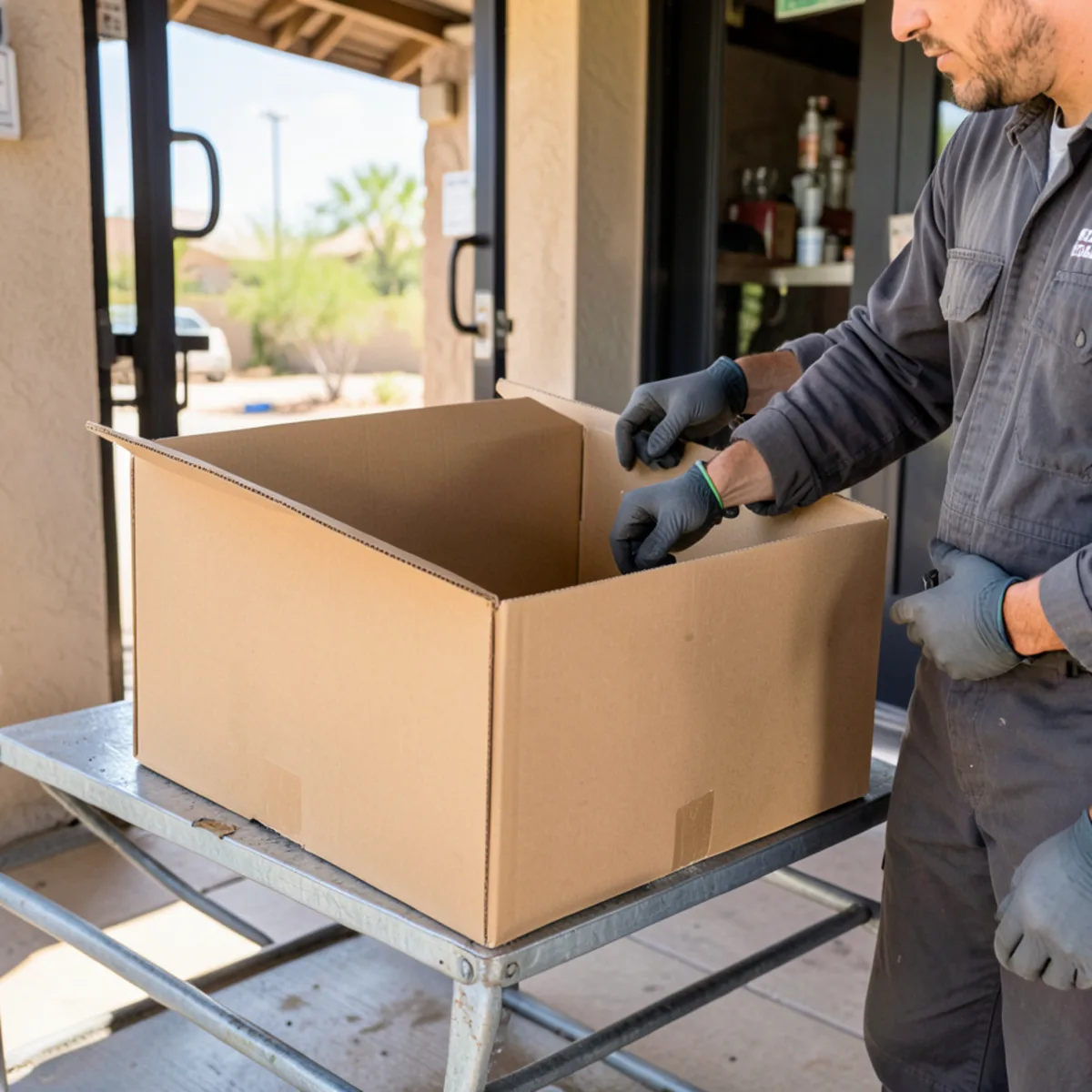
Food Code section 6-501.111 names incoming shipments first on its list. Cockroaches and their egg cases can ride in on corrugated boxes. Stored-product beetles can arrive in dry goods.
- Open and check boxes at the door, not in the walk-in.
- Move product to clean shelves and break down cardboard the same day.
- Reject anything with live insects, droppings or chewed corners.
- Note the supplier if a pattern appears.
Store sprays and bait in a kitchen: where the Food Code draws lines
The quickest way to add a second violation to a pest problem is a household can used on the line. Chapter 7 of the Food Code treats pesticides as toxic materials, and the 2017 edition sets these limits:
- Label first. Section 7-202.12 requires the label to say use in a food establishment is allowed, and it requires the product be applied so residue from drip, splash or spray stays off food and equipment.
- Rodent bait. Section 7-206.12 calls for a covered, tamper-resistant station. FDA's reasoning is that open bait spills and pests carry it around the room.
- Tracking powder. Section 7-206.13 does not allow tracking powder pesticides at all, because the powder can spread to food.
In practice, agree on service timing before anyone arrives. Food, utensils and single-use items should be covered or put away first, and food-contact surfaces handled the way the label directs afterward.
Any outside provider should also clear the state bar. Arizona requires a pest management business license under A.A.C. R3-8-201, and you can look one up at opm.azda.gov/PCBusSearch.php.
What belongs in a kitchen's pest file
The Food Code sets an outcome, not a filing system, so a pest file is a habit rather than a rule we can point to. It pays off the day a finding needs explaining.
- Dated service records showing what was used and where.
- This checklist, signed by whoever owned each line.
- Receipts for door sweeps, seals and pipe collars.
- Your last county report, with pest lines marked and the fix noted.
- Dated photos of any sighting, with the location.
Arizona rule A.A.C. R3-8-310 has a licensed pest business show its name and license number on proposals, contracts and service records. If a provider's paperwork lacks them, ask why.
Taking over an existing kitchen
Walk the building for pests before you close on it. Regulation 7 in Chapter VIII, Section 2 of the county code lets a new owner operate on written approval for up to 30 days while the permit is issued. That approval comes with an agreement to stop operating immediately if there is evidence of live insect or vermin activity, so an old infestation becomes your problem on day one.
How Kai looks at a commercial kitchen
Restaurant work is an offer Kai discusses case by case. Scope depends on the property, the hours and what the building already has in place, so call and he will say whether your kitchen is one he can take. More detail sits on the restaurant pest control page. Monthly customers mention a written list of chemicals after each visit, the kind of record a manager wants on file.
His view of kitchens is practical. Treatment works better when sanitation and door repairs happen first, because food and shelter drive the numbers. Pest products in food areas must be used according to the label, and Food Code rules limit what can be used around food. Ask any provider how they handle service timing, food covers and restocking.
The Valley map matters too. Tempe locations are close to the base. Places further out, such as Scottsdale, are a short drive but still depend on one person's schedule, so call first.
If an inspection is coming or you have spotted droppings on the line, call (209) 563-1650 and talk to Kai directly about what he can do and when.
Sources
- Maricopa County Environmental Services: Weekly Inspection Report and Restaurant Ratings
- FDA Food Code 2022
- FDA Food Code 2017, the edition Maricopa County adopted
- Maricopa County Environmental Health Code, Chapter VIII, Section 2: Food Establishments
- Maricopa County Environmental Health Code, Chapter III: Rodents, Insects and Vermin
- A.A.C. R3-8-201: Activities that require a license
- A.A.C. R3-8-310: Business name and license number display
- University of Arizona Cooperative Extension: Pest-Proofing Your Home (AZ1677)
About the author
Kai Horner owns and runs Kekoa Pest Control, a family-owned pest and weed control business based in Tempe, AZ, serving the East Valley since 2022. More about Kai