
Biting Pest Control · By Kai Horner, owner of Kekoa Pest Control · Published · Updated
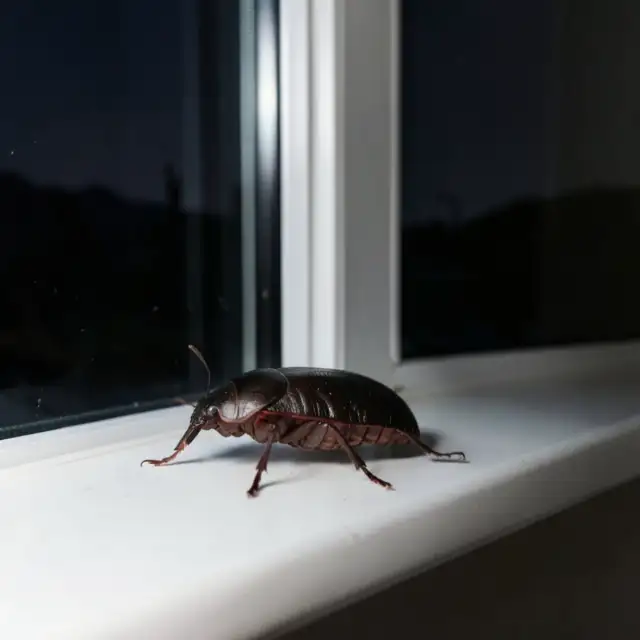
Most people first see one on a windowsill, a screen or the bedroom floor and wonder what on earth it is. It looks like a beetle at first and walks like something more purposeful. Our biting pest control pages cover the wider group, but this post has one job: help you decide whether the bug in front of you is a kissing bug, and what to do next.
Kissing bugs Arizona homeowners actually meet
The University of Arizona says 11 kissing bug species occur in the United States and seven of those live in Arizona. Other names you will hear include conenose bug, triatomine and Hualapai tiger. Despite the blood feeding, they are not related to bed bugs in any close way.
Three species are the ones usually found around homes.
| Species | How to recognize it | Where it turns up |
|---|---|---|
| Triatoma rubida | Reddish or brownish-red side markings on the abdomen | Throughout Arizona, most prevalent in Phoenix and Tucson foothills |
| Triatoma protracta | Smaller than rubida, dark | Madera Canyon, Pima and Coconino counties |
| Triatoma recurva | Largest of the three, uniformly dark collar, upturned abdomen edges | Southern Arizona canyons and mountains |
How to identify a conenose bug
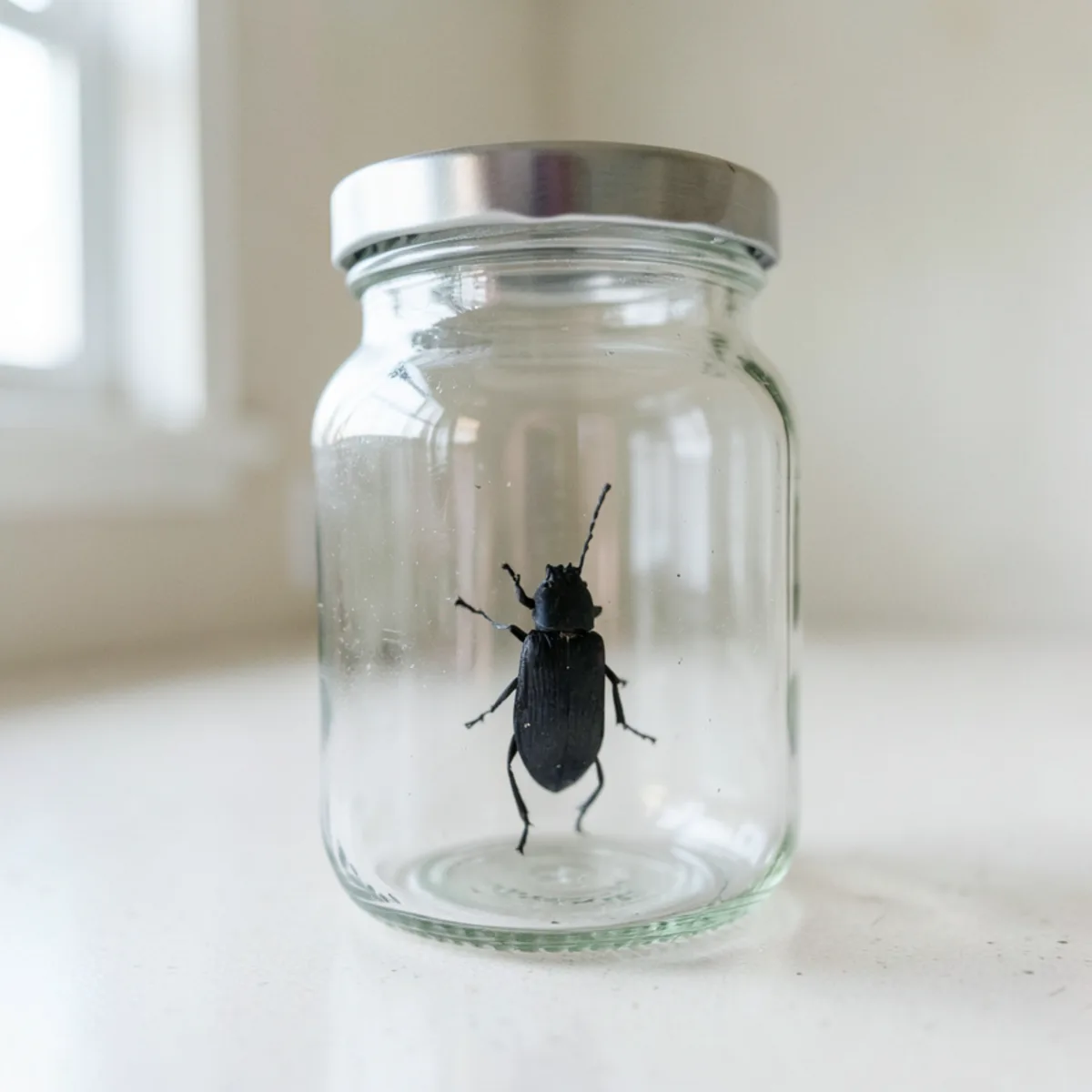
Look at these points in order. Use a phone camera, not your fingers.
- Size. About half an inch to just over an inch long.
- Color. Dark brown or black, sometimes with side markings on the abdomen.
- Head. Long, narrow and cone-shaped, with thin antennae.
- Body. Flattened when empty and swollen after a blood meal.
- Location. In bedding or near a bed in the morning, or on a wall near a light at night.
Plenty of harmless insects share some of these features. Other assassin bugs eat insects, not blood, and leaf-footed bugs in the garden have flattened hind legs and feed on plants. If you are unsure, a clear photo or the bug itself in a jar will settle it.
One more Arizona look-alike shows up right on schedule. University of Arizona's insect collection lead describes giant mesquite bug adults as dark gray to nearly black and appearing in the hottest weeks before monsoon, the same stretch as kissing bugs. They feed on plant juices up in mesquite canopies. A dark bug on a mesquite trunk is a different case from a cone-headed bug by the bed.
Where kissing bugs come from
These insects live and breed outdoors. Extension says they are often tied to the nests of pack rats, or woodrats, and other wildlife. They also show up in doghouse bedding and chicken coops. Eggs are laid in rodent nests in summer or early fall.
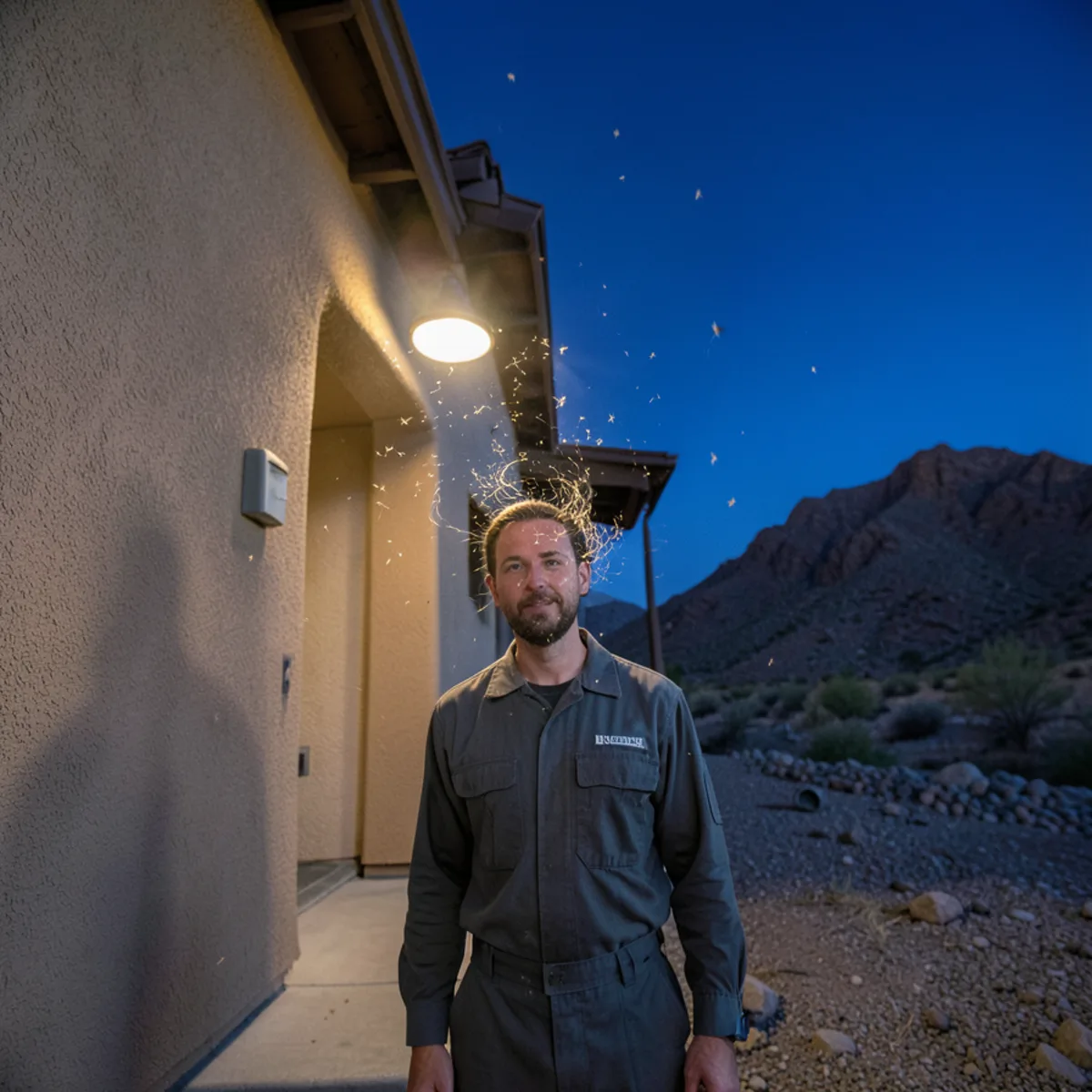
Adults fly well and are drawn to lights. The usual time to see them is the dispersal season, May through July, and University of Arizona Health Sciences says activity tends to peak just before monsoon. At dawn a bug may look for shade and slip through a door gap or cracks around a window screen. Once inside, it hides in low light, between mattresses being a favorite.
That explains the map. Foothill homes with desert behind them, such as those around Cave Creek and north Scottsdale, sit close to pack rat country. Any house with a pack rat nest nearby can have them, wherever it sits.
The season does not end in July. Extension says adults live into mid-to-late autumn and the insects spend winter as nymphs, which fits its advice to keep checking dark, quiet areas from mid-spring to mid-fall.
What to do if you find one
Keep this simple and do not panic.
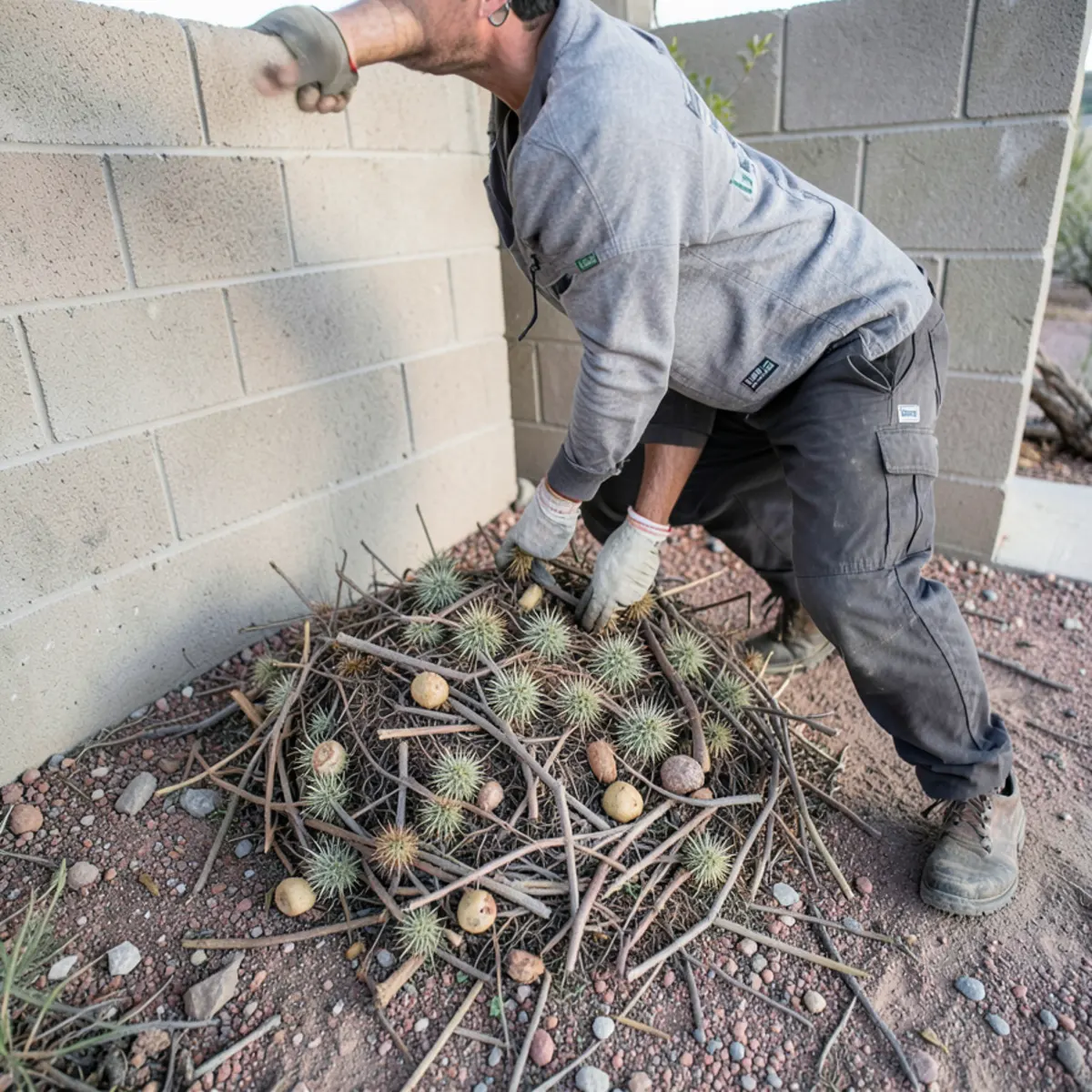
- Do not squash it with bare hands. University of Arizona Health Sciences advises scooping it into a jar.
- Wash your hands, and wash any spot it crawled on.
- Check the bed, closets and any pet bedding, especially between mattress and box spring.
- If you have a bite and any allergic symptoms, follow the guidance below.
University of Arizona Extension calls a severe allergic reaction the biggest health risk from these bugs, and Health Sciences says they are the leading cause of insect-bite anaphylaxis in the United States. Call 911 for trouble breathing or other severe symptoms, and get medical care for any allergic reaction. Poison Help at 1-800-222-1222 can advise on bites.
Chagas disease. Kissing bugs can carry the parasite that causes it, and it spreads through their droppings, not the bite. Extension reports that about 40 percent of bugs near Tucson carry the parasite, yet documented local transmission in the continental U.S. is very uncommon. Questions about your own risk belong with a doctor. Extension says finding a bug or being bitten generally does not call for testing, that testing is commercially available if you and your provider want to discuss it, and that a positive result needs a second test to confirm. It also suggests bringing the bug in a container when you go for care.
How to keep them out
Extension, CDC and Arizona health sources agree on the practical list.
- Seal cracks with weather stripping, door sweeps or silicone caulk.
- Keep screens on windows, doors and vents in good repair.
- Switch porch lights to low-UV LEDs and move yard lights away from the house.
- Keep doors shut after dark and draw the drapes.
- Clear wood piles, brush and rock piles next to the house.
- Keep pets indoors at night and clean their bedding.
- Check dark, quiet sleeping areas from mid-spring to mid-fall.
Extension also advises having rodent nests within 350 feet of buildings removed by pest professionals, and leaving distant nests alone.
Distance matters here. Extension's reason for leaving far-off nests in place is that they give the bugs somewhere else to live, which can keep them from moving toward the house. The post on pack rat nests covers how to find one and clear it without stirring up dust.
Dogs, cats and outdoor sleeping spots
Pets change the picture, because a sleeping animal is an easy meal. Extension says kissing bugs can hitchhike into homes on pets and are often found in the bedding of outdoor doghouses and chicken coops. CDC's prevention page tells owners to have pets sleep indoors, especially at night, and to clean pet resting areas regularly while watching for bugs.
A short routine covers most of it:
- Wash bedding often, and check seams and corners with a flashlight.
- Lift the kennel or crate pad and look underneath from spring into fall.
- Move an outdoor doghouse away from woodpiles and rock piles.
- Keep coops and feed tidy, since they draw rodents as well.
University of Arizona Extension notes that Chagas disease is a serious concern for dog owners in some southern states. Whether that applies to your pet is a question for your vet.
How Kai looks at a kissing bug call
The bug in the jar is the symptom. The questions that matter are where it came from and how it got in, so a visit looks at the yard for pack rat signs, at doors and screens, and at outdoor lighting. Scope depends on the property, and this is not a routine service, so kissing bug control starts with a conversation. Kai can say on the phone whether your address is a job he takes on.
Expect the plan to lean on sealing and nest work, not spray. CDC says no insecticide is approved specifically for these bugs in the United States and advises talking with a pest control expert before using one. That is an honest limit on what any visit can offer. As a general reading, one adult on a screen in June is often a flyer drawn in by the light. Several bugs of different sizes indoors, or bugs in bedding, points to something closer, so raise that when you call.
Kept one in a jar and want a second opinion? Call (209) 563-1650 and describe what you found.
Sources
- University of Arizona Extension, AZ1992: What You Should Know About Kissing Bugs
- University of Arizona Health Sciences: Summertime Is Kissing Bug Season in Arizona
- Arizona Department of Health Services: kissing bug information sheet
- CDC, Preventing Chagas Disease
- University of Arizona Extension, AZ1775: Roof Rats: Identification, Ecology, and Signs
- University of Arizona News: 7 Big, Colorful Critters to Try to Spot This Monsoon Season
About the author
Kai Horner owns and runs Kekoa Pest Control, a family-owned pest and weed control business based in Tempe, AZ, serving the East Valley since 2022. More about Kai