
Pest Control Services · By Kai Horner, owner of Kekoa Pest Control · Published · Updated
Start with who is responsible for what, because a contract cannot cover duties the association does not have. In an Arizona condominium, A.R.S. 33-1247 says the association maintains common elements and each owner maintains their unit, unless the declaration says otherwise. Planned communities depend on their own declaration and rules, and the answer varies. Read those documents first, then scope the work. This post sits alongside our main guide to pest control in Tempe, and the HOA pest control page describes what a visit looks at.
This is practical guidance from the pest side, not legal advice. Have the association's attorney review any agreement.
What every HOA pest control contract should spell out
Use these twelve items as a review list when bids come in. If one is missing, ask for it in writing.
- Service map. Attach a site map marking each tract, building, wall run and amenity.
- Pest list. Name the pests covered. Name the exclusions just as clearly.
- Frequency. State visits per month or quarter, by area, with any seasonal changes.
- Weed scope. Say whether weeds are included and which areas, or say they are not.
- Bees and wasps. Set out who responds to a swarm near a playground, and how.
- Resident notice. State how much notice residents receive and through whom.
- Records. Require a dated report for each visit, with products and locations.
- Complaint handling. Decide who a resident calls and how the vendor reports back.
- License and insurance. Require current proof of both, and an update each renewal.
- Access. Spell out gate codes, keys, pool hours and any unit entry procedure.
- Pricing. Show what is flat, what is extra and how changes get approved.
- Term and exit. Give the length, renewal rule and termination notice.
On item 9, Arizona requires a pest management business license under A.A.C. R3-8-201, and A.A.C. R3-8-310 has the business show its name and license number on proposals and contracts. A proposal without them is worth a question.
Vague wording and what to write instead
These examples are starting points for your attorney, not contract language. Each one swaps a phrase that invites an argument for one that can be checked.
| Vague | Clearer |
|---|---|
| "Common areas treated monthly" | "Tracts A through D and the pool restrooms, as marked on Exhibit 1, once per calendar month" |
| "General pests" | "Ants, roaches, crickets, spiders and scorpions. Rodents, bees and weeds are priced separately" |
| "Residents will be notified" | "Vendor tells the manager two business days ahead, and the manager posts treated areas and dates" |
| "Reports available on request" | "A dated report goes to the manager within five business days of each visit" |
| "Renews automatically" | "Renews for one year unless either side gives 60 days' written notice" |
The numbers in that table are placeholders. Pick ones your manager can actually keep up with.
Common area pest control: draw the line on a map
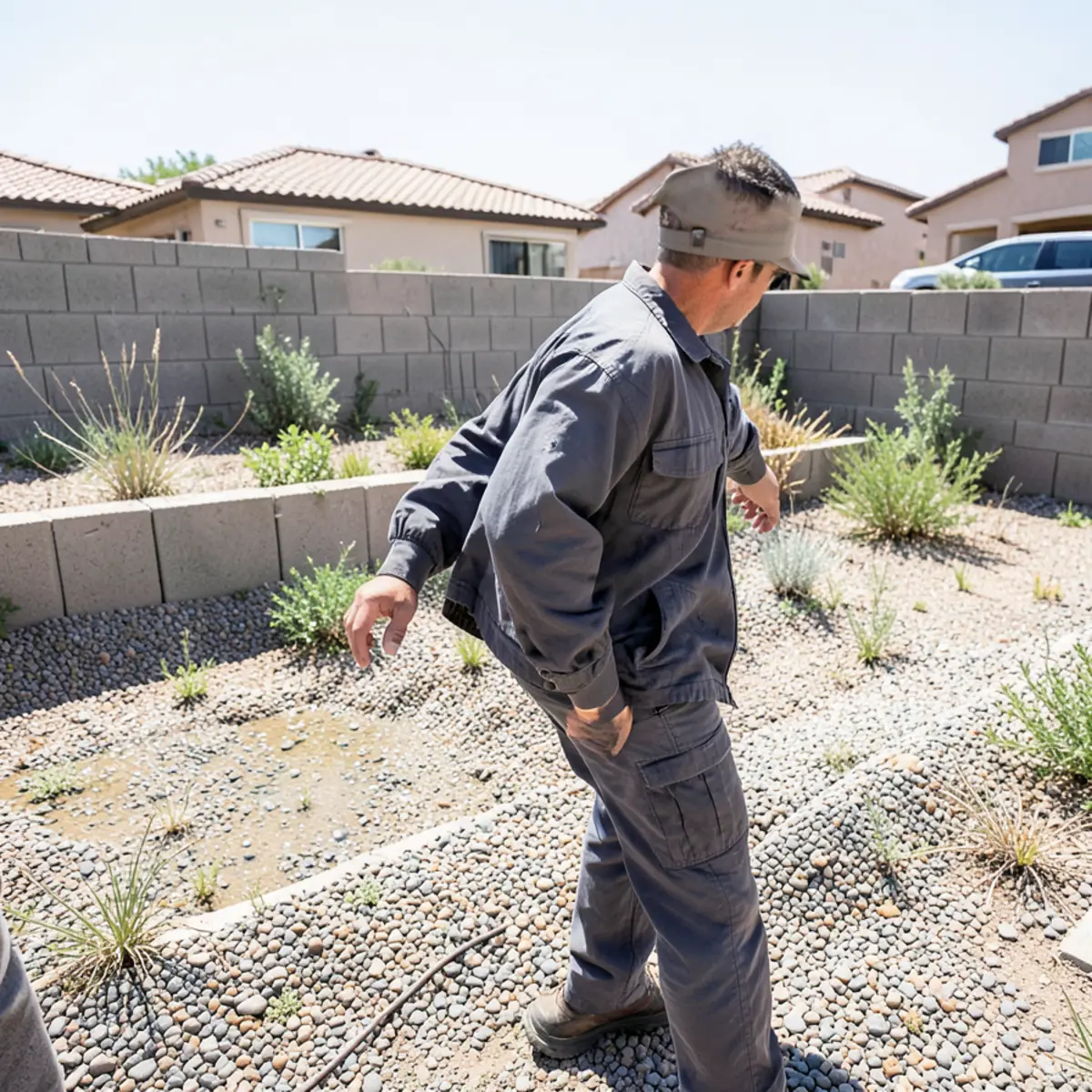
Words such as "common areas" cause trouble. Does that cover the perimeter wall on the homeowner side? The storm drain inlets? The pool equipment room? A marked map answers all of that in one page.
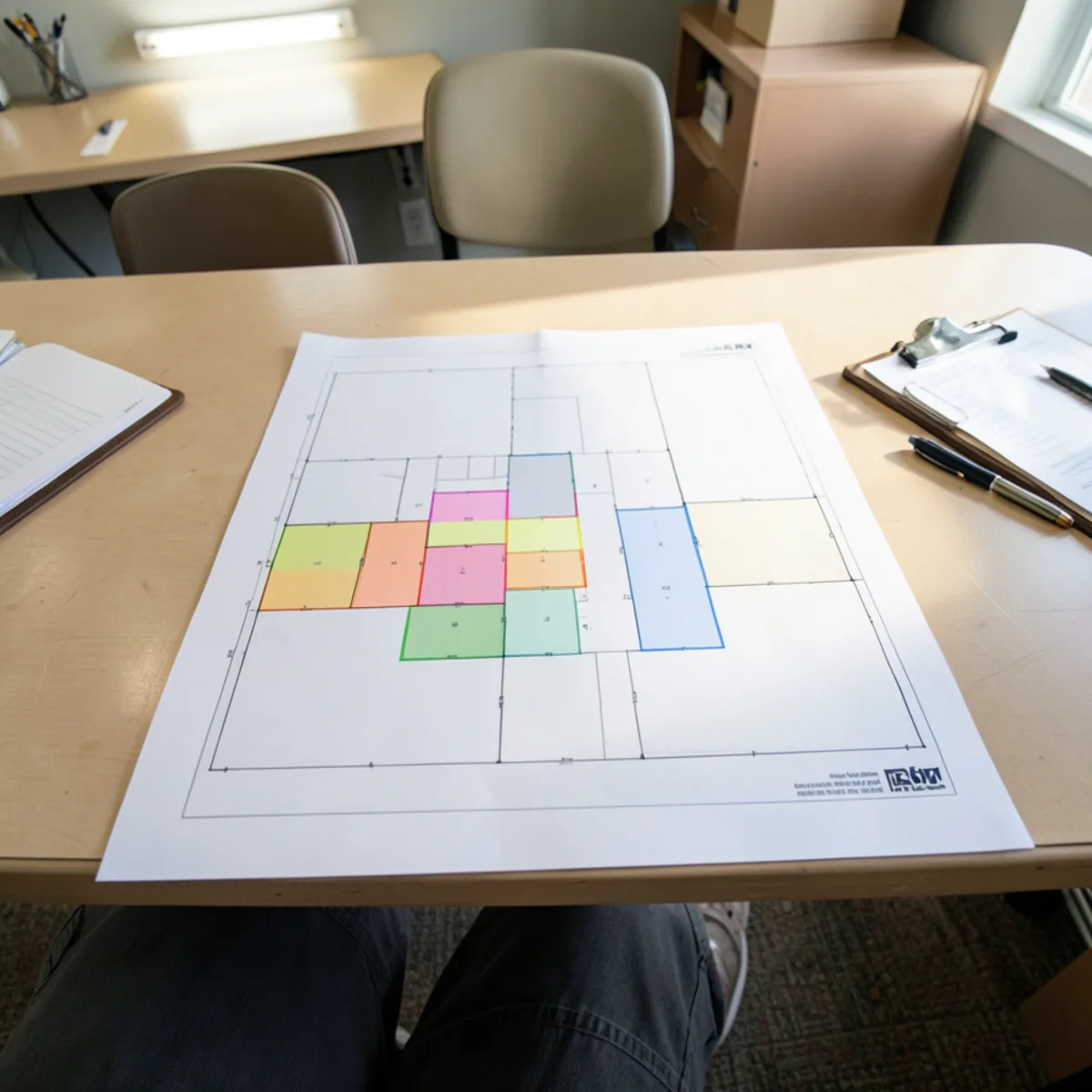
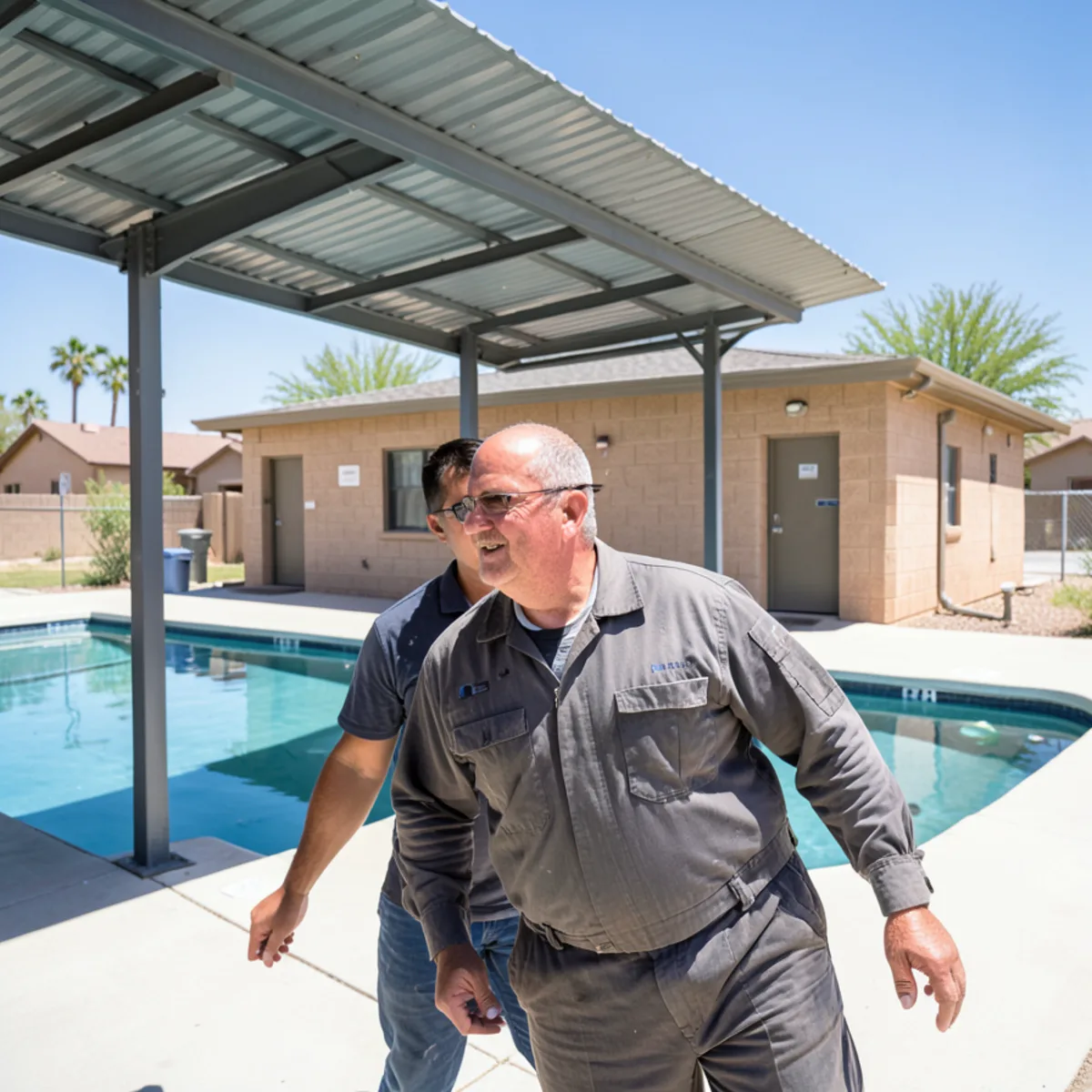
Walk the community with the vendor before signing. In East Valley communities, the map usually needs these spots called out by name:
- Gravel tracts and retention basins
- Block perimeter walls and entry monuments
- Pool ramadas, restrooms and equipment rooms
- Clubhouses, mail kiosks and playgrounds
- Irrigation valve boxes and water meter boxes
- Trash enclosures in condo communities
Block walls deserve special thought. Bark scorpions favor hollow block walls for shelter in University of Arizona research, so a long perimeter wall is a real factor in any scorpion discussion. Spraying a wall will not change that structure, and a contract should not imply that it will.
Notice and records: the parts boards forget
Residents want to know what was applied near their kids and dogs, and when. Put the process in the contract, then follow it.
Agree on how residents get notice: an email, a gate sign, a portal post or all three. Include treated areas, date and how long to stay out, as the product label directs. Check with counsel and the Arizona Department of Agriculture whether any notice rule applies to your property type, and make the contract at least match it.
EPA's consumer guide expects a company to outline the pests involved, the active ingredients, how they are applied, non-chemical options and steps to reduce future problems. Ask for that in writing. A dated log with each visit lets a new board member see what happened three years ago, and helps during a resident dispute or a sale.
Keep this information with association records. For a condo association, the power to make contracts and hire independent contractors sits in A.R.S. 33-1242, and the board's decision should be recorded in its usual way.
Write those reports knowing a member may read them. In a planned community, A.R.S. 33-1805 makes association records reasonably available to members, with ten business days to respond and listed exceptions. A resident asking what was sprayed by the playground in March should get a clear answer from the file. If the question is whether a given report falls under an exception, that goes to counsel.
The HOA weed contract question
Many boards hold a landscape contract and a pest contract, and weeds fall between them. Decide which vendor owns which area, then write it down.
Arizona law is worth a look here. Under A.R.S. 3-3613, ordinary lawn and garden maintenance workers have a limited exemption from pest management licensing for herbicide use. That exemption does not cover pre-emergent herbicides, and it does not cover anyone offering weed management as a primary service. A landscaper spraying pre-emergent on your tracts may therefore need a license. As general advice, ask any vendor which license and category covers the work. You can look up a business at opm.azda.gov/PCBusSearch.php.
The same section helps with records. Someone working under the exemption has to give the customer a treatment record showing the address, date, herbicide name, amount and who applied it, and keep it at least six months. Ask for that level of detail from whoever sprays, exempt or not, and file it with the pest reports so one folder answers every question.
A contract should state pre-emergent timing, which matters in late February for Valley summer weeds, and how soon weeds get spot sprayed after monsoon rain. Our pre-emergent vs post-emergent guide explains the difference for board members who are new to it.
How to compare a board pest vendor
Price per visit tells you little until scopes match. Lay bids out side by side with the same map. Then ask:
| Question | What a useful answer sounds like |
|---|---|
| Who comes to the property? | A named person, not "whoever is on the route." |
| What happens if residents call between visits? | A clear path, with a stated response process. |
| What are you not including? | A specific list, offered without prompting. |
| What would you change about our property? | Something honest about wall gaps, water or trash. |
| How large a site can you handle? | A realistic limit, stated plainly. |
Also consider local rules. Chapter III of the Maricopa County Environmental Health Code places the duty to prevent infestation and harborage on the owner, occupant or person in control of the premises, which for a tract usually points at the association. Tempe's Sec. 21-3(b)(20) treats some insect and rodent infestations on any property as a nuisance, and other cities have their own codes. Boards in Chandler and Gilbert should check locally.
How Kai looks at an HOA request
HOA work is something Kai considers case by case. Kekoa is one owner doing the work, so a big master-planned community may simply be more than one person should promise to cover. What fits depends on the site, so ask him by phone whether yours is a job he would accept. A small condo association or a modest common area is a different conversation from a thousand-door community.
What he offers is straight talk. Reviews mention clear explanations and a written chemical list at monthly visits, which suits a board that wants records.
If your board is reviewing a bid or starting fresh, call (209) 563-1650 and ask whether your property fits.
Sources
- A.R.S. 33-1247: Upkeep of the condominium
- A.R.S. 33-1242: Powers of the unit owners' association
- A.A.C. R3-8-201: Activities that require a license
- A.A.C. R3-8-310: Business name and license number display
- A.R.S. 33-1805: Association financial and other records
- Maricopa County Environmental Health Code, Chapter III: Rodents, Insects and Vermin
- A.R.S. 3-3613: Weed management exemption and limits
- EPA: Citizen's Guide to Pest Control and Pesticide Safety
- Tempe City Code Chapter 21, Sec. 21-3: Nuisances
About the author
Kai Horner owns and runs Kekoa Pest Control, a family-owned pest and weed control business based in Tempe, AZ, serving the East Valley since 2022. More about Kai