
Scorpion Control · By Kai Horner, owner of Kekoa Pest Control · Published · Updated
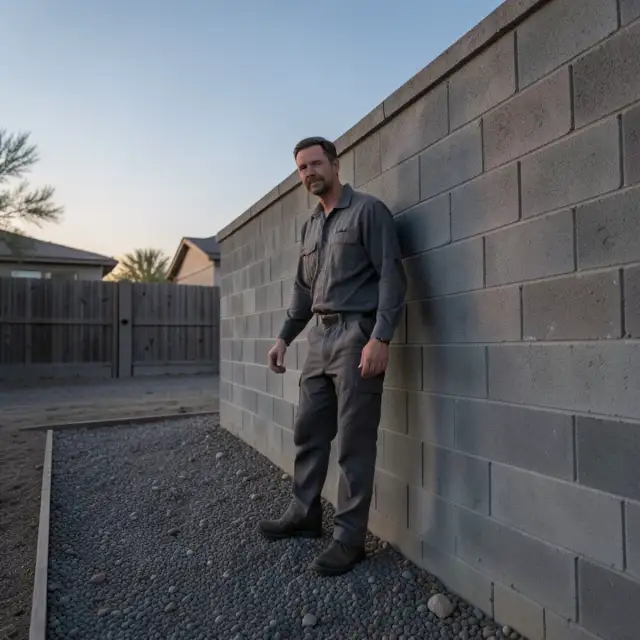
Almost every Valley subdivision has one, and the scorpions know it. University of Arizona Extension says bark scorpions are often tied to homes and hollow-block perimeter walls. This post explains why, what to change, and how the wall fits into wider scorpion control in Tempe, Scottsdale and the rest of the low desert.
Why bark scorpions choose block walls
In harborage research reported by the university, 95 percent of bark scorpions chose hollow block walls over other options around buildings and landscapes. It is easy to see why. A hollow wall offers shade through a 110-degree afternoon, tight crevices, and a straight path along the property line.
They also tolerate each other. Bark scorpions are not territorial and often share cover, so one crack can hold several. In the coolest months they cluster in protected spaces, and groups have turned up when block walls were taken down in winter. Your wall may be doing more than you can see.
How to get rid of scorpions in a block wall, step by step
Pesticide on its own will disappoint you. The university says scorpions are difficult to manage that way, and it also says a yard free of them is not realistic. So this is a sequence of reducing cover, water, food and access. Do the free steps first.
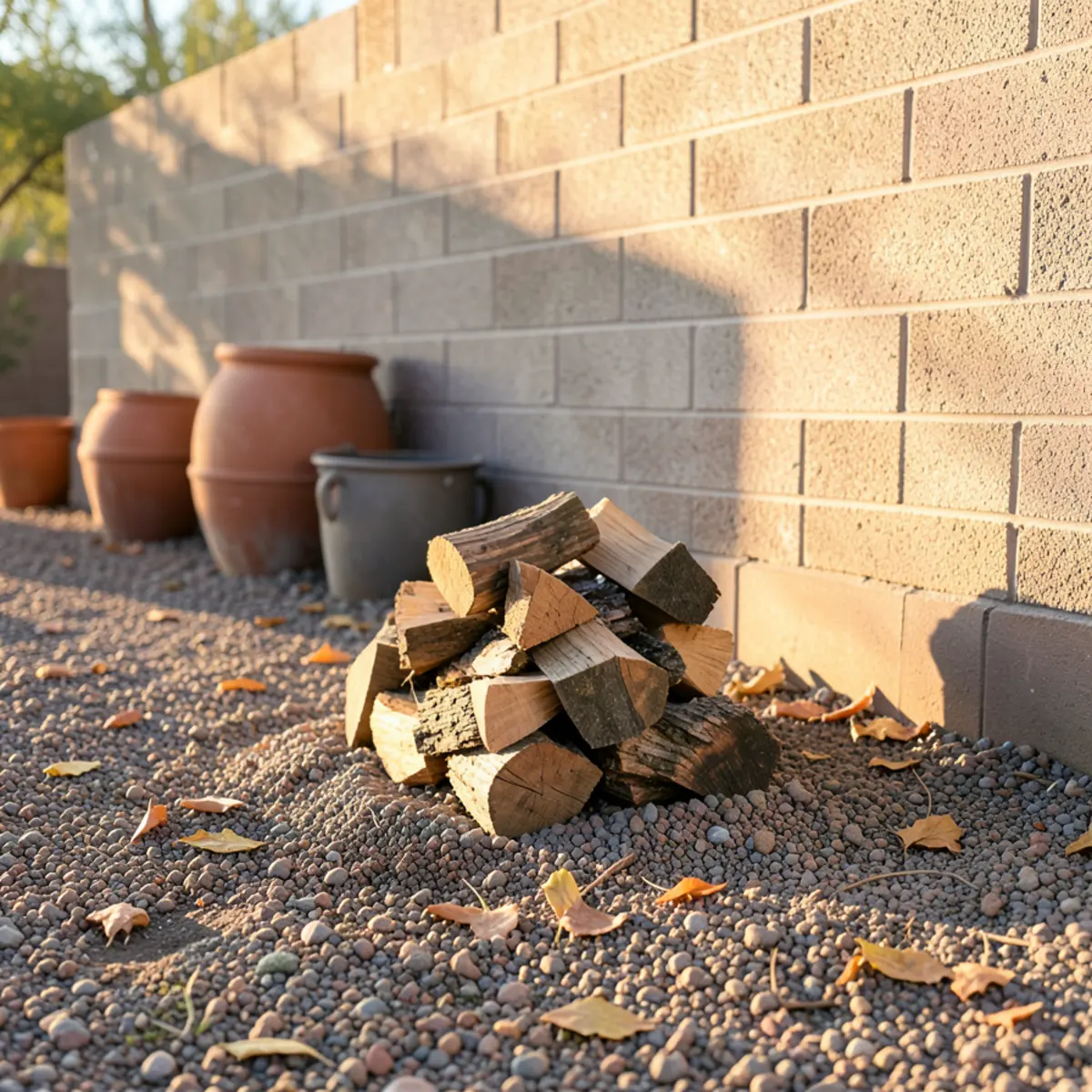
- Clear the base. Move wood, stacked pots, rock piles, pallets and debris away from the wall. The university says to wear leather gloves and take care when shifting yard items.
- Fix the water. Repair leaking drip emitters and stop sprinklers wetting the wall. Irrigation floods scorpions out of one refuge and into the next, and it supports higher numbers.
- Cut vegetation back. Keep shrubs and vines off the block, and prune branches away from the house. The university's figure is at least 24 inches of clearance from walls.
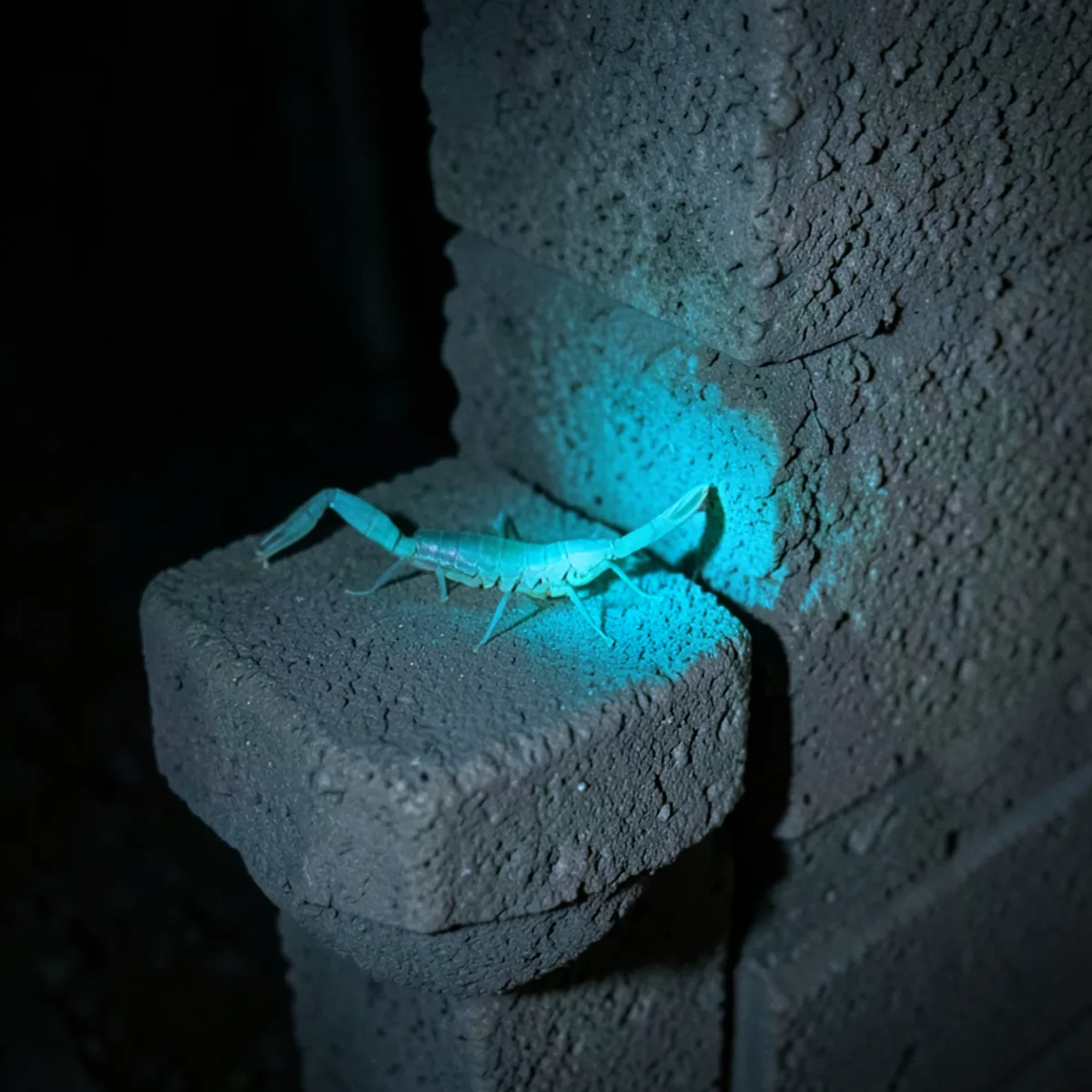
- Count them. Do a UV walk along the wall after dark to find the active stretch.
- Close what you can. Patch open mortar joints and broken caps, and leave drainage openings open.
- Treat the line. Target the wall base, cracks and adjoining gravel, following the label.
- Protect the house. Tighten door sweeps and screen weep holes with coarse steel mesh, so the wall problem stays outside.
What treating the wall actually involves
A wall treatment is about placement. Most of the wall surface does not matter. The cracks, the cap line, the base where wall meets soil and any gap into the neighbor's yard matter a lot. Products are chosen for the site and applied according to the label, with care around bird baths, vegetable beds and spots pets use.
Keep your expectations honest on this point. Scorpions spend the day tucked in cracks, so a surface treatment does not reach every one, and a shared wall has a second side you do not control. If your neighbor waters heavily against the same wall, you will feel it. That is why a plan for a scorpion yard treatment usually looks at the whole yard rather than the wall alone.
Patching a block wall: what goes where
Not every opening gets the same repair, and one kind must stay open. This table matches University of Arizona Extension guidance to what you are likely to find along a Valley wall.
| Opening | What to use | Why |
|---|---|---|
| Small crack | Silicone sealant rated for outdoor use | It handles heat and cold better than latex caulk |
| Missing mortar or a broken block | Mortar or cement | Larger openings need a strong material that matches the wall |
| Wider gap around a pipe or wire | Copper mesh, then sealant | The mesh fills the space before the sealant goes on |
| Open cores along the top | Masonry caps | The university lists capping to make walls less inviting |
| Weep holes in brick veneer or weep screed | Coarse steel mesh | They must not be plugged, because they ventilate the wall space |
A patch is not a cure for what is already inside. Sealing a cap keeps new scorpions from dropping into the cores, but any already living there can still leave through a crack lower down, so walk the whole stretch.
A year along the wall
The calendar tells you which job to do when. These months follow the university's account of how bark scorpions behave in the low desert.
| When | What scorpions are doing | Job for the wall |
|---|---|---|
| November to March | Less active, clustering in protected spaces | Daylight repairs. Expect groups if you open anything |
| April and May | Warming toward the nights they prefer | Fix irrigation, clear the base, cut plants back |
| June to September | Active, with nights above 70 degrees ideal | UV walks between 8 and 11 p.m. |
| After storms and heavy watering | Flooded out of refuges and on the move | Check the wall line and doors that evening |
Keeping scorpions off the fence: what helps most
Some jobs pay off more than others. Here is how the common fixes compare.
| Fix | Effort | Why it helps |
|---|---|---|
| Clearing stacked items from the wall | Low | Removes daytime shelter and shelter for prey |
| Repairing irrigation leaks | Low | Takes away water for scorpions and crickets |
| UV collection in summer | Medium | Removes scorpions directly, several nights a season |
| Patching mortar and caps | Medium to high | Fewer ways into the hollow cores |
| Stucco and full cap | High | The university lists it to make walls less inviting |
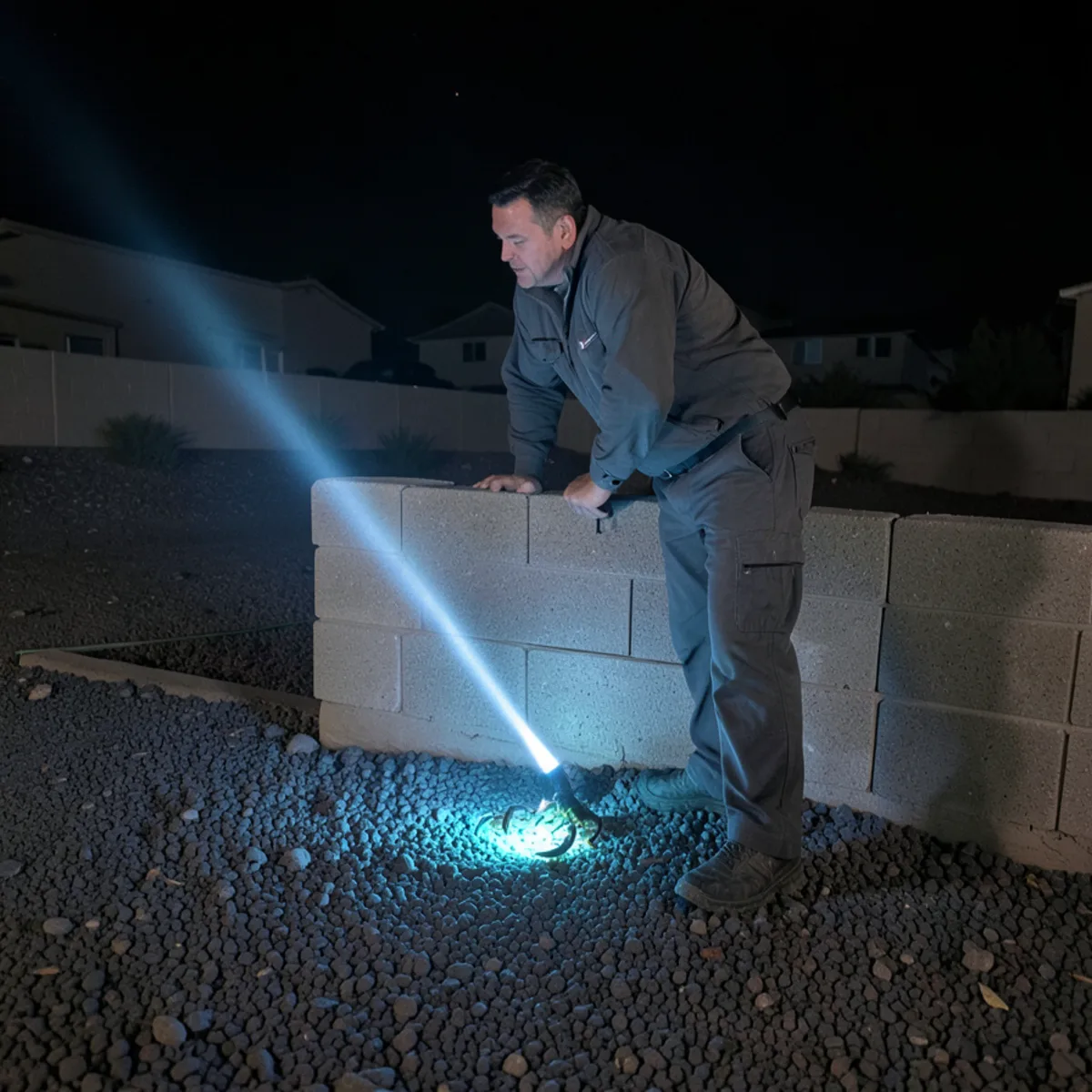
Timing matters too. The university suggests UV collections several times in summer, between 8 and 11 p.m., with boots and long tongs. Do not use your hands, and keep kids well back. It also encourages releasing them in open desert rather than killing them, if you are willing to do that. Its pest-proofing guide goes further, saying repeated collections and releases far from the house beat repeated pesticide applications. A UV light shows them clearly from several yards away, so you do not need to get close.
Mistakes that make the wall worse
These common habits keep the problem going:
- Stacking firewood or leftover block against the wall
- Letting ivy or vines climb it
- Running drip lines along the base
- Plugging weep holes, which need to breathe
- Assuming one quiet week means the job is done
- Tearing the wall open in winter without expecting a cluster
Earthwork matters as well. Landscaping changes can move scorpions, since they often relocate when disturbed by building or yard work. If you are planning new gravel or a new wall, expect some movement toward the house for a while.
How Kai looks at a block wall
Kai's view is that the wall is rarely the whole story. The questions worth answering are how the wall connects to the house, where water sits, and what the yard is offering scorpions to eat and hide under. If scorpions are reaching the house, the door and weep work often matters more than another pass along the block.
Customers say he treats inside and out and explains how to prevent problems, which suits this job well, since most of the prevention ends up with the homeowner. If you are not sure which kind you are seeing, the page on bark scorpion control covers identification. Sealing is something to raise on the phone. Scope depends on the property, and Kai will tell you if he takes it on.
Tired of seeing them on the wall after dark? Call (209) 563-1650 and describe the yard.
Sources
About the author
Kai Horner owns and runs Kekoa Pest Control, a family-owned pest and weed control business based in Tempe, AZ, serving the East Valley since 2022. More about Kai