
Scorpion Control · By Kai Horner, owner of Kekoa Pest Control · Published · Updated
Start with what a bark scorpion is up against, because it explains why neither side of this debate wins outright. Researchers at University of Arizona Extension describe scorpions as extremely hard to wipe out. Shelter studies they cite found that 95 percent picked hollow block walls. They climb textured walls, cross ceilings and live for years. The practical goal for any home, whether you hire our scorpion control service or do it yourself, is fewer scorpions inside and fewer surprises.
That said, the most valuable step on the list does not involve a pesticide at all, and many homeowners can do it themselves.
Where DIY scorpion control works, and where it stops
| Task | DIY? | Honest result |
|---|---|---|
| Door sweeps and weatherstripping | Yes | High value. Extension ranks pest-proofing above everything else for cutting contact. |
| Caulking pipes and wall penetrations | Yes | High value if thorough. |
| Screening weep openings | Yes, with care | Good. Use coarse steel mesh and never plug them. |
| Clearing wood, rocks and clutter from walls | Yes | Good. Removes harborage. |
| UV night checks | Yes | Good for monitoring, modest for numbers. |
| Glue boards | Yes | Good for monitoring only. |
| Store sprays | Limited | Kills what it hits. Little effect inside walls. |
| Reducing insects scorpions eat | Partly | Helps, but Extension says it will not remove them. |
| Sealing whole roofline and block walls | Hard | Big project. Ladder work and finish carpentry. |
| Regular perimeter treatment with follow-up | Hard | Needs product knowledge, labels and time. |
The pattern is clear. Sealing and housekeeping are within reach for most homeowners. Treatment and scale are where most people run out of skill, time or interest.
One caution on the spray rows. Extension's own wording is that clearing scorpions out of a landscape would take extremely unhealthy and illegal chemical use, and even that would only be temporary. So more product from the hardware store is not a path to zero. If you use a store spray, buy one labeled for scorpions and apply it only where and how the label says.
Check what you are dealing with before spending much. The bark scorpion is the only species of medical concern in the U.S., per Extension. The giant hairy scorpion, often over 5 inches, has mild venom and actually eats bark scorpions.
Black lights, glue boards and tongs
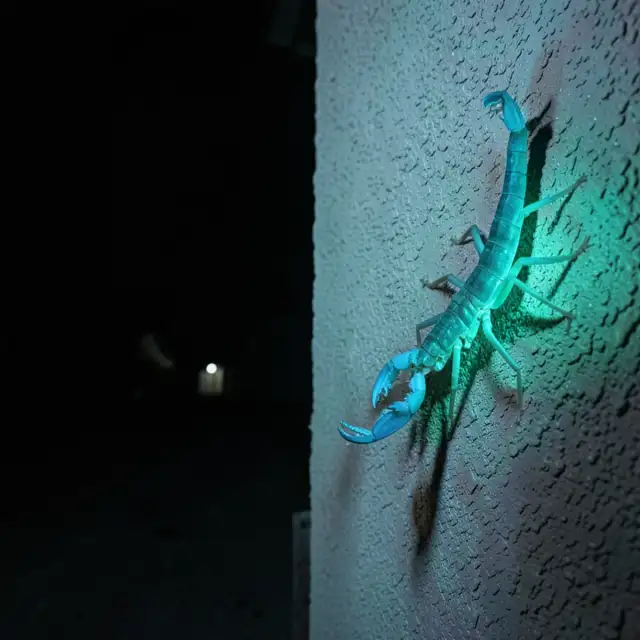
UV flashlights are a fair buy. Scorpions glow brightly under black light, and Extension suggests repeat collections in summer from 8 to 11 p.m. Wear boots. Use long tongs. Check walls, gravel edges and the base of block fencing first. Our post on black light hunts goes further into what a night's work can tell you.
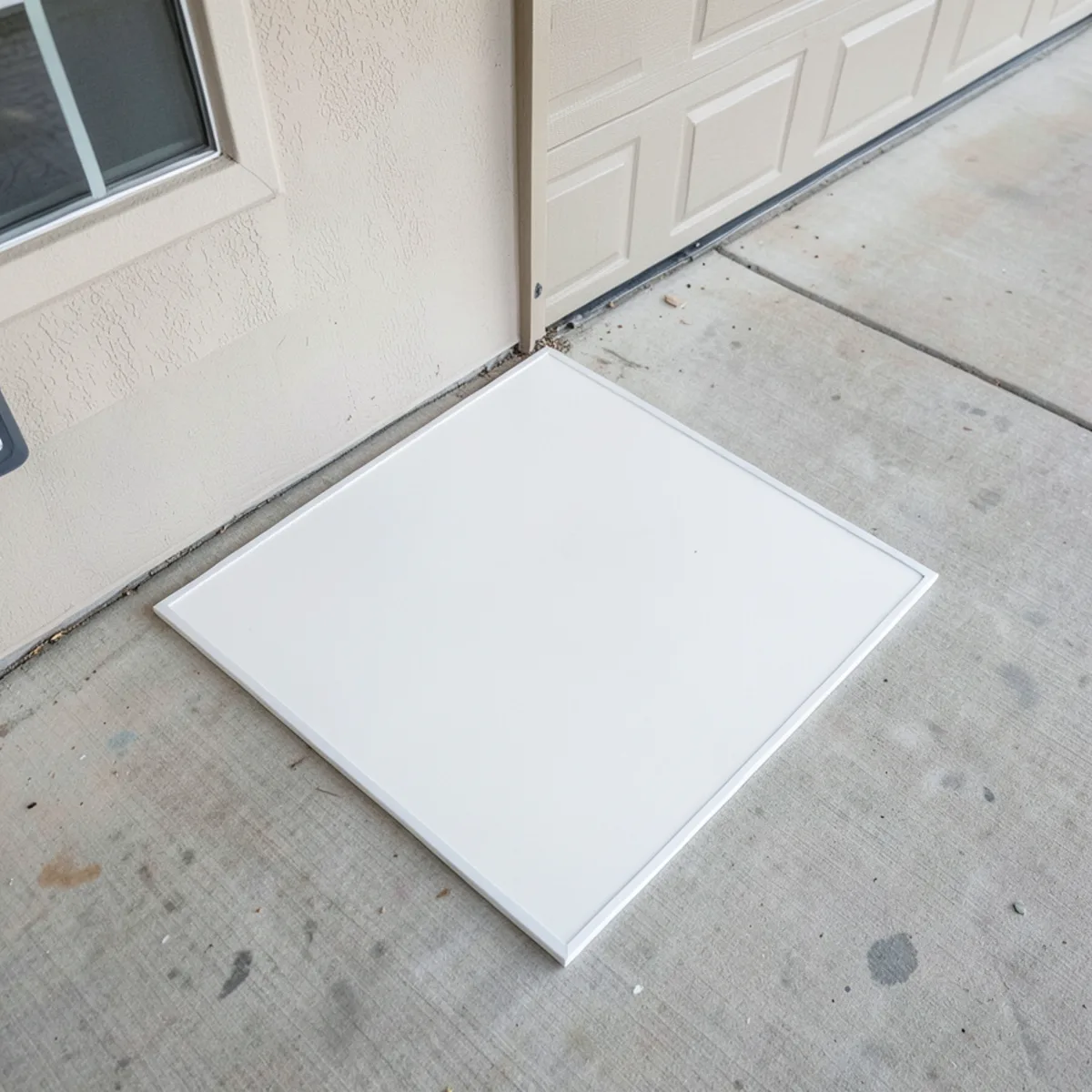
Glue boards help you see patterns. Put them along garage walls, behind appliances and in closets. If three boards catch nothing and one catches two a week, that corner has an entry worth finding. Keep them away from kids and pets, and do not treat a full board as a win. It is a sign of a gap.
The sealing work that beats any spray
Do these in order. Extension's guidance on scorpions and pest-proofing covers them all.
- Fit tight door sweeps. A scorpion needs very little room, so look for any gap showing light.
- Install weatherstripping around doors and windows.
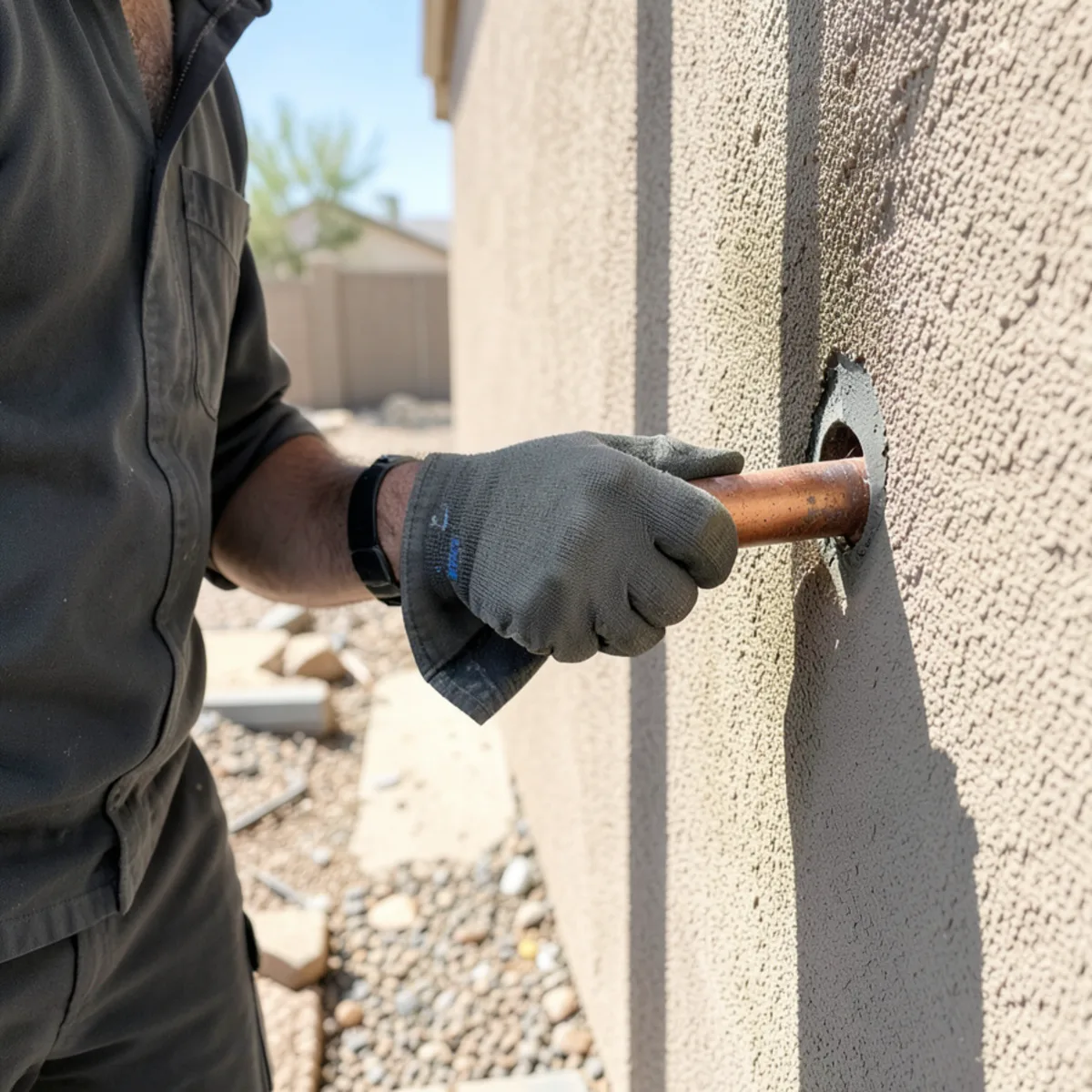
- Caulk around pipes, eaves and other wall penetrations. Use an outdoor-rated sealant.
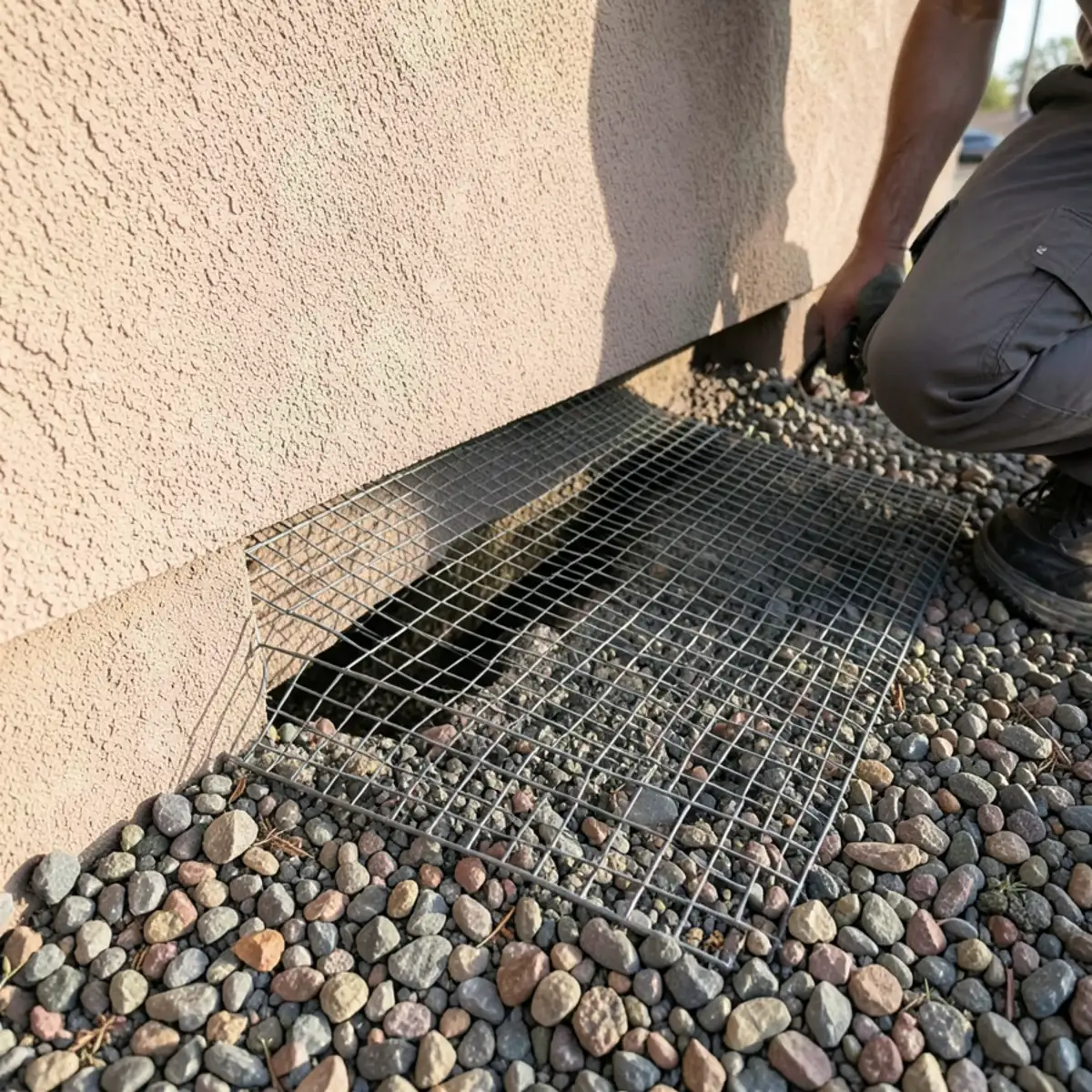
- Cover weep holes with coarse steel mesh. Leave them open, because they ventilate the wall.
- Repair window screens so they fit tight.
- Trim tree branches and bushes back from the structure. Branches give scorpions a path to the roof.
- Move wood, rock and clutter away from the house.
If you have hollow block walls, Extension also suggests stucco and caps to make them less inviting. That is a bigger job, and worth pricing out if your yard has long runs of old block.
Household habits that prevent stings
Sealing lowers how many get in. Habits lower the odds that one of those few finds you. Extension says most stings happen when a scorpion is grabbed by accident, crushed against the body or stepped on, so these cost nothing and work the same in every house:
- Wear shoes outside after dark, and slippers indoors at night.
- Keep shoes off the floor, and check them if they were left there.
- Hang pool towels and clothes. Damp piles on the floor attract scorpions looking for moisture.
- Put firewood straight on the fire instead of stacking it indoors.
- Store trash cans on a raised frame, off the ground.
- Teach children not to touch a scorpion and to tell an adult.
Professional scorpion treatment: what you are actually buying
A professional does not have a magic product. What you get is mainly three things.
A trained eye. Someone who sees many homes spots entry points faster. On a bark scorpion control visit, that usually means walls, door lines, weep openings and water sources.
Treatment by a person who follows the label. Products and placement are chosen for the site. EPA's Citizen's Guide advises asking any company to name active ingredients and methods before work begins, and it applies here.
Consistency. A homeowner may start strong in April and stop by August. A schedule keeps going through the monsoon, when flooding and heat move scorpions around.
It is fair to weigh the cost. If you have not sealed the house, paying for treatment first is backward. If you have sealed it and you are still finding them inside regularly, that is the point where Extension says to call a professional.
Extension also notes that pest management companies often offer pest-proofing itself. That can be worth paying for when you have the list but not the ladder, the tools or the free weekends.
Signs DIY has run its course
Any one of these is a fair reason to stop going it alone:
- Scorpions keep appearing inside after the sealing list is done.
- You are finding them in bedrooms, or near a crib or bed.
- Someone at home is very young or very old, or has hypertension. Extension says stings are most dangerous at those ages and tells caregivers to treat a sting in a child under 9, or in a person with hypertension, as serious.
- Pets keep playing with them. Extension notes cats are not immune to the venom.
- The remaining gaps are at the roofline or along long block runs you cannot reach.
How Kai looks at a scorpion home
Kai will tell you when DIY is enough. A home with one scorpion in a garage last summer and tight doors may need little more than the list above. A home with scorpions in bedrooms needs a different conversation. Monthly service is the common choice in reviews, inside and out, and reviewers mention he shares prevention advice, so you are not paying to be kept in the dark.
Scorpion sealing as a paid job varies by property, so raise it when you call and he will say if it fits. Service covers Tempe and nearby cities such as Mesa.
After a sting, Poison Help (1-800-222-1222) can advise you. In an emergency, call 911.
Ready for a second opinion on your walls and doors? Call (209) 563-1650 and ask Kai what he would do first.
Sources
About the author
Kai Horner owns and runs Kekoa Pest Control, a family-owned pest and weed control business based in Tempe, AZ, serving the East Valley since 2022. More about Kai